Russia Flexes Nuclear Muscle: Putin Deploys Sub and Missiles on Disputed Islands After Historic Visit.
Gallery
Videos
Russia Flexes Nuclear Muscle! Putin Deploys Sub and Missiles on Disputed Kuril Islands After Historic Visit
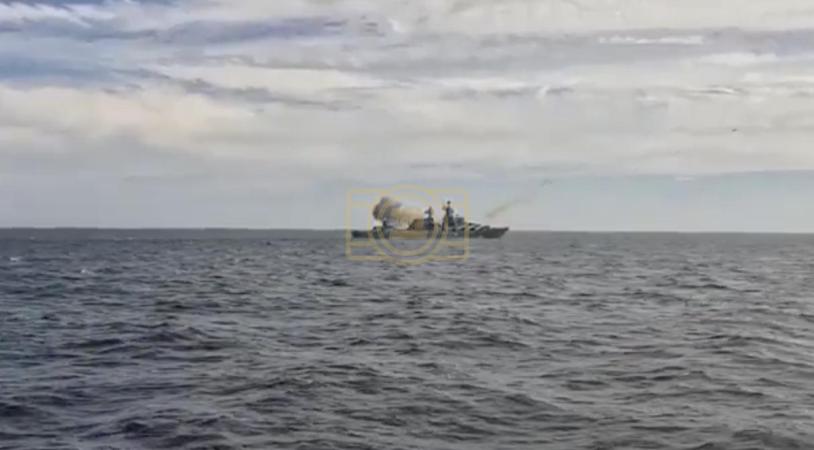
Russia has once again raised the stakes in the Pacific by conducting high-profile military drills on the disputed Kuril Islands, deploying a nuclear-powered submarine and a major surface warship while firing Bastion anti-ship missiles at targets more than 300 kilometers away. The exercises featured the nuclear submarine Omsk launching Granit cruise missiles, the cruiser Varyag unleashing Vulkan anti-ship missiles, and land-based Bastion coastal systems firing Oniks missiles, all successfully striking their simulated enemy targets. Video from the drills shows intense submarine operations, crews in control rooms, massive smoke plumes from ship-launched missiles, and powerful land-based firings that underscore Moscow’s determination to showcase its strike capabilities in the region. These maneuvers came just days after President Vladimir Putin made his first-ever visit to Iturup Island on August 13, where he inspected military activities and local infrastructure while reaffirming Russia’s control over territory long claimed by Japan. The timing sends a clear message of defiance amid ongoing territorial tensions that have prevented a formal peace treaty between the two nations since World War II.
Japan swiftly condemned the drills as unacceptable and a direct violation of its territorial integrity, with Foreign Minister Toshimitsu Motegi stating that Russia’s military buildup on the Northern Territories runs counter to Tokyo’s position and cannot be tolerated. Japanese leaders had already protested Putin’s island visit, describing the islands as inherently Japanese both historically and under international law, and warning that such actions harden public sentiment and damage prospects for improved relations. The Pacific Fleet’s announcement of the live-fire exercises, which formed part of broader naval activity involving dozens of ships, aircraft, and thousands of personnel, only deepened the diplomatic row. Russia’s decision to highlight these capabilities so openly near Japanese-claimed waters highlights the growing volatility in the region and the challenges facing U.S. allies seeking stability in the Indo-Pacific.
This latest show of force by Moscow serves as a stark reminder of the need for strong, decisive leadership among free nations to counter aggressive posturing that threatens long-standing alliances and regional security. Japan’s firm response reflects a broader determination among democratic partners to push back against unilateral claims and military intimidation. As tensions continue to simmer over the Kurils, the international community will be watching closely to see how these provocative drills influence the balance of power in the Pacific and the resolve of those who stand for sovereignty and peaceful resolution of disputes. Stories of this magnitude demand clear-eyed attention to the realities of modern geopolitical competition and the importance of maintaining credible deterrence.