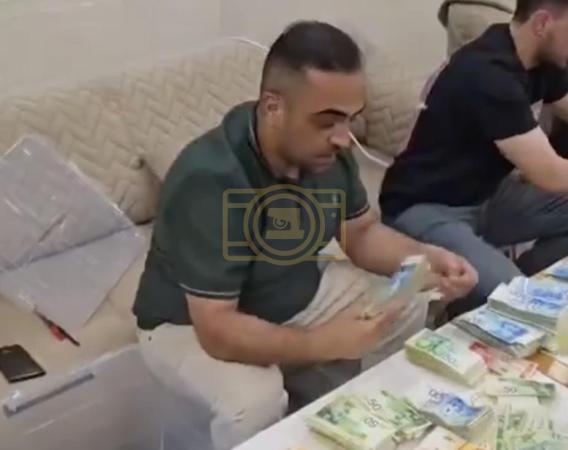
ELECTION FRAUD CLAIM COLLAPSES: Viral 8 Million Shekel Video Actually Shows Palestinian Charity Fundraiser

Gallery
Videos
A viral video showing approximately 8 million Israeli shekels in cash has been circulated as alleged evidence of election fraud in Israel's Arab sector, with posts claiming the money was connected to vote manipulation ahead of the October 27, 2026, elections. However, a fact-checking investigation has found that the footage has nothing to do with the Israeli election. The original video was published on September 22, more than a month before Israeli voters went to the polls, and documented a charitable fundraising campaign for Basmala, a Palestinian toddler from Tulkarm suffering from spinal muscular atrophy type 1. The campaign, known as “Labbayk Ya Basmala,” brought together donors who contributed cash, gold, vehicles and other valuables to help pay for gene therapy estimated to cost approximately $2.4 million. Reports indicated that the fundraising effort collected around 8 million shekels, with the money managed through a charitable fund in Tulkarm. The campaign ultimately raised the required amount, and reports published in November said Basmala had received the treatment.
The misleading circulation of the footage comes amid separate allegations of election irregularities involving Arab political activists, which have fueled political disputes following the election. Prime Minister Benjamin Netanyahu and allies have questioned the legitimacy of the results, but Israel's Central Elections Committee rejected claims of widespread fraud, and police said there was no investigative or intelligence-based evidence supporting the assertion that the election had been stolen. More recently, the election committee reported that the Shin Bet investigation had found no evidence of voter bribery on a scale capable of affecting the election results. The charity video does not establish vote-buying, electoral misconduct or the involvement of Arab Israeli voters, since it documents a fundraising campaign in the West Bank rather than activity connected to Israeli polling stations. The distinction is important as genuine allegations of election violations require separate evidence and investigation, not unrelated footage presented without its original context. The episode demonstrates how an authentic video of a charitable campaign can be repurposed online to support a politically charged claim that the original footage does not substantiate.