LASERS AGAINST PARASITES: Norwegian AI Robots Hunt Sea Lice on Salmon Without Handling the Fish
Gallery
Videos
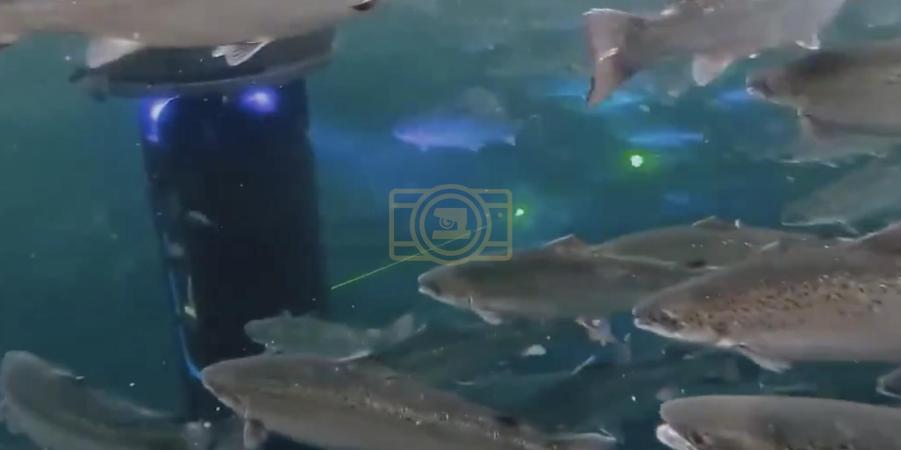
Norwegian technology company Stingray Marine Solutions is using artificial intelligence and underwater laser robots to combat one of the biggest challenges facing salmon farms: sea lice. The system uses underwater cameras and advanced image-recognition software to scan passing fish, identify parasites attached to their skin and direct precision laser pulses at the lice. The targeted beams kill the parasites while the salmon continue swimming, with their reflective skin helping protect them from the laser. Designed to operate around the clock, the technology offers fish farmers an alternative to treatments involving chemical baths, hot water or mechanical removal, which can require handling and stress the fish. According to reports published on November 11, 2026, Stingray now has more than 3,500 units deployed, protecting over 112 million salmon and trout across aquaculture operations. The growing deployment reflects the increasing role of automation and AI in managing fish health and improving efficiency in commercial aquaculture.
Sea lice are parasitic organisms that attach to fish and feed on their skin, mucus and tissue, potentially causing wounds, infections and serious welfare problems in densely stocked salmon farms. By identifying individual parasites and targeting them directly, Stingray’s system is designed to reduce the need for more invasive treatments while allowing farmers to monitor fish continuously. The company says its technology can also collect information on fish growth and welfare, giving operators additional data to manage their farms. However, laser systems are not a complete solution to every infestation, and their effectiveness can be limited by areas outside the robots’ coverage, including darker or murkier parts of a fish pen. The technology is therefore part of a broader effort by the aquaculture industry to improve fish survival, reduce treatment-related stress and address the environmental challenges associated with salmon production. As global demand for seafood continues to grow, Norway’s laser-powered approach illustrates how AI and robotics are being applied to make fish farming more efficient and potentially less dependent on conventional parasite treatments.