PRESIDENT SPEAKS: Trump Says Mojtaba Khamenei Badly Hurt but Still Breathing

Gallery
Videos
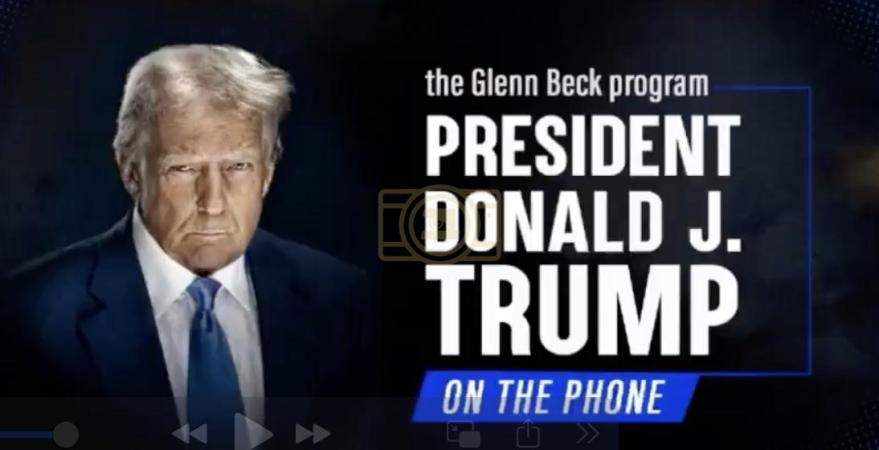
US President Donald Trump has stated that he does not believe Mojtaba Khamenei is dead, despite serious injuries the Iranian figure reportedly suffered. Speaking publicly, Trump described the wounds as affecting the entire left side of the body, including the arm and the leg. He emphasized that the injuries were severe yet stopped short of confirming any fatality. Trump pointed to ongoing Iranian behavior as evidence that Khamenei remains alive. His comments directly address circulating speculation about the condition of the prominent Iranian figure.
Trump argued that if Mojtaba Khamenei had in fact died, Iranian officials would not continue speaking as if they can still consult him. He noted that they keep referring to efforts to return and obtain his final blessings, a practice that would make little sense if the man were no longer living. According to the president, this pattern of talk amounts to a convincing performance only if the subject is still alive. The observation formed a central part of his reasoning for rejecting death claims. Trump presented the repeated references to consultations as practical proof rather than mere rumor.
The president’s remarks focus attention on the physical extent of the reported injuries. He specifically mentioned damage to the left arm, the left leg, and the broader left side of the body, describing the overall condition as very serious. Despite the severity, Trump maintained that the wounds did not prove fatal. His assessment leaves open the possibility of a prolonged recovery while firmly dismissing the idea of death. The detailed description of the injuries adds weight to his public position and invites closer scrutiny of available information.
By linking Iranian officials’ continued talk of seeking blessings to the question of survival, Trump highlighted what he sees as a contradiction in any death narrative. He suggested that the consistency of these references would be difficult to sustain if Khamenei were gone. The comment underscores a broader point about how regimes manage information around high-profile figures during times of uncertainty. Trump’s willingness to share this view publicly places the issue of Mojtaba Khamenei’s status into the open diplomatic conversation. Observers are now left to weigh the president’s interpretation against other emerging reports.
The statement arrives at a moment when questions about leadership continuity and internal dynamics in Iran already attract significant international interest. Trump’s clear rejection of the death claim, paired with his acknowledgment of serious wounds, creates a specific and limited picture of the situation. He did not claim full recovery or minimize the injuries; he simply insisted the man is still alive. This measured yet firm position is likely to fuel further discussion about the accuracy of competing accounts. For now, the president’s words stand as a high-level American assessment of Mojtaba Khamenei’s condition.
As more details surface, the contrast between reported injuries and continued official references to consultations will remain a point of focus. Trump’s comments provide a direct challenge to any narrative that Mojtaba Khamenei has died. They also illustrate how even limited public remarks from a US president can shape the framing of sensitive developments involving Iranian leadership circles. The coming period may bring additional clarity, but the president has already drawn a distinct line: seriously wounded, yet still living according to the evidence he cites.