BLACK HAWK CRASH: Special Operations Crew Escapes Colorado Mountain Wreck Unharmed
Gallery
Videos
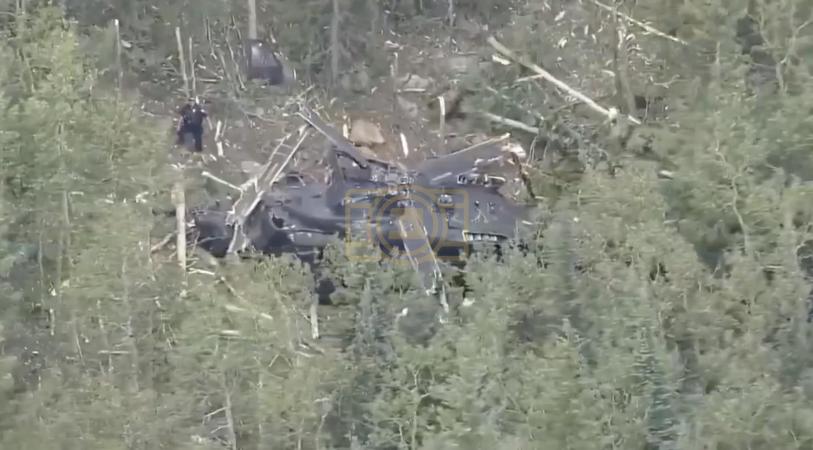
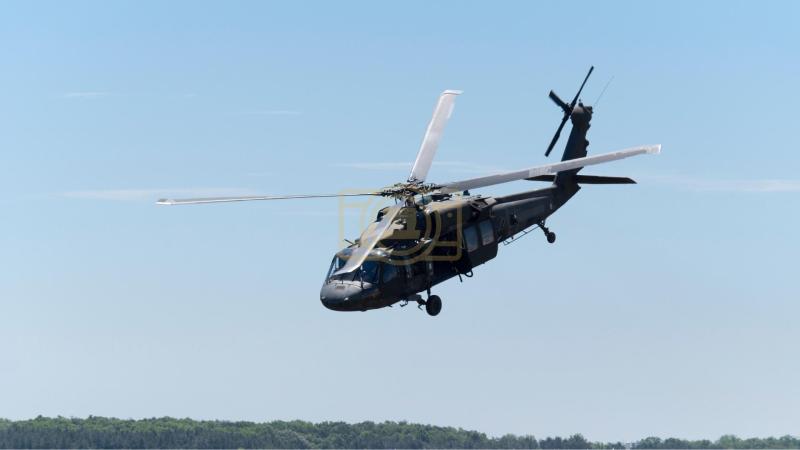
A U.S. Army Black Hawk helicopter went down in the Colorado mountains on Tuesday, August 25, sending shockwaves through a region unaccustomed to seeing military aircraft crumpled among the trees. The MH-60 variant, assigned to the elite 160th Special Operations Aviation Regiment out of Fort Campbell, Kentucky, made the unplanned landing while conducting a routine training mission on the east side of Thorodin Mountain in Gilpin County, just north of Golden Gate Canyon State Park. Four crew members were aboard when the aircraft came down, and in the tense hours that followed, both their condition and the cause of the crash remained a mystery to the public. Emergency crews scrambled to the remote, wooded location, arriving on scene shortly before 11:30 a.m. as word of the incident spread.
As details trickled out, the news brought a wave of relief: all four crew members survived without reported injuries, a remarkable outcome given the violence such a crash typically inflicts on both aircraft and occupants. Video captured by news helicopters showed the Black Hawk resting upright amid a scattering of broken tree trunks and branches, with significant damage visible across all three blades of its rotor system. Despite that damage, the fuselage itself remained largely intact, sparing the crew from the kind of catastrophic structural failure that has proven deadly in past Black Hawk incidents. Responders did note a fuel leak at the scene, though it was quickly brought under control, and officials confirmed there was no fire and no danger posed to the surrounding community.
The unit involved carries a storied reputation. Known as the Night Stalkers, the 160th Special Operations Aviation Regiment is the Army's premier special operations aviation command, tasked with some of the most demanding and specialized helicopter missions in the military. That pedigree has only intensified public interest in exactly what went wrong during what officials insist was a routine exercise, not a combat or emergency mission. The Army has been notably tight-lipped so far, declining to speculate on whether mechanical failure, weather conditions, or human error played a role in bringing the aircraft down. A formal safety investigation is now underway, and it's expected to take time before any conclusive answers emerge.
This incident lands amid a broader, uncomfortable pattern for Army aviation. The crash came just one day after reports surfaced that Apache attack helicopters have been going down at a historically elevated rate due to persistent mechanical issues, adding fresh scrutiny to the safety and maintenance of the Army's aging helicopter fleet. It also follows a far deadlier tragedy involving the same regiment less than a year earlier, when an MH-60M Black Hawk crashed during nighttime training near Summit Lake, Washington, killing all four soldiers on board. Against that backdrop, Tuesday's outcome in Colorado, a wrecked helicopter but four survivors walking away, stands out as a rare piece of good news in an otherwise troubling year for military aviation safety.