EXCITEMENT SURGES: NASA Administrator Praises Trump for Space Force and Accords Expansion

Gallery
Videos
NASA Administrator Jared Isaacman has credited President Trump with significantly advancing the agency through key policy decisions and international agreements. In a recent appearance, Isaacman specifically pointed to the creation of the Space Force, the establishment of the Artemis Accords, and the addition of a 71st nation to those accords as major achievements. He described these steps as foundational to NASA’s current momentum and expanded global partnerships. The comments reflect a clear attribution of progress to presidential leadership on space matters. Isaacman’s remarks underscore the administration’s influence on both organizational structure and diplomatic outreach.
The NASA chief appeared on Fox News to discuss the agency’s ambitious forward-looking goals. Among the initiatives highlighted was a nuclear-powered mission to Mars, a project that would represent a major technological leap for human exploration. Isaacman also referenced a targeted launch window in 2028 as part of the accelerated timeline under discussion. His tone throughout the interview conveyed strong confidence in the agency’s direction and capabilities. The conversation positioned these objectives as realistic outcomes of sustained high-level support.
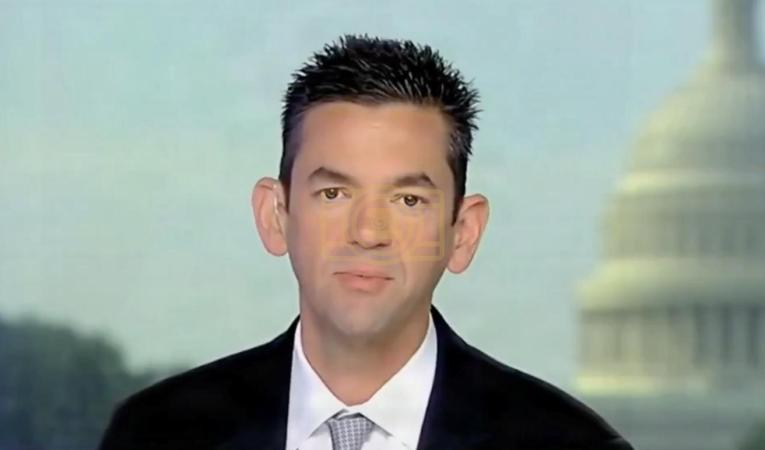
Footage from the interview shows Isaacman speaking with noticeable energy and enthusiasm about the state of NASA. He linked the current atmosphere of excitement directly to presidential backing for bold space initiatives. The clip, shared on August 31, 2026, captures a sense of renewed purpose within the agency. Viewers see the administrator emphasizing both past accomplishments and future targets in a single appearance. The overall presentation reinforces the narrative of an agency operating with elevated ambition.
The Artemis Accords have become a central pillar of international space cooperation under the framework Isaacman praised. Reaching 71 participating nations marks a substantial expansion of the agreement’s reach and influence. Isaacman presented this growth as evidence of successful diplomatic efforts tied to the current administration. Combined with the earlier creation of the Space Force, these developments form the foundation of the credit he extended to President Trump. The accords continue to shape norms for responsible exploration beyond Earth.
Nuclear propulsion for a Mars mission remains one of the more technically challenging goals outlined by the administrator. Achieving a 2028 launch would require coordinated progress across propulsion technology, spacecraft design, and mission planning. Isaacman’s public discussion of the target signals that internal planning has advanced far enough to share specific dates. The combination of near-term milestones and longer-range exploration objectives paints a picture of an agency balancing immediate deliverables with transformative ambitions. Presidential support is repeatedly cited as a key enabler of that balance.
Isaacman’s comments portray a NASA marked by high morale and clear strategic direction. By tying concrete achievements such as the Space Force, the Artemis Accords, and the newest signatory nation to presidential action, he offered a straightforward assessment of recent progress. The Fox News appearance served as a platform to connect those past steps with the nuclear Mars vision and the 2028 target. As the agency moves forward, the enthusiasm expressed by its administrator will be tested against the practical demands of complex missions. For now, the message from the top remains one of confidence and elevated expectations.