ECONMIC BATTLE: PM Carney Seeks Strongest Possible U.S. Trade Agreement.
Gallery
Videos
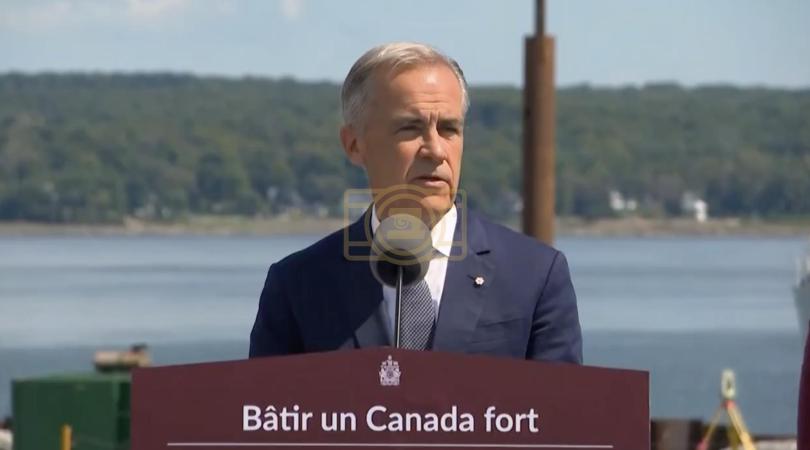
Canadian Prime Minister Mark Carney says his government remains focused on securing “the best deal” in trade relations with the United States, even as economic tensions between the two countries continue to grow. Speaking in Quebec, Carney stressed that Canada will negotiate from a position of strength while protecting national interests, industries, and economic sovereignty. His remarks come at a time when tariffs, trade disputes, and political disagreements have placed increasing pressure on one of the world’s most important trading relationships.
Carney, who became prime minister in March 2025 after succeeding Justin Trudeau as leader of the Liberal Party, entered office with extensive economic experience as a former governor of both the Bank of Canada and the Bank of England. Since taking office, he has faced a difficult environment marked by escalating trade tensions with Washington, including suspended negotiations and U.S. tariffs on selected Canadian exports. Despite these challenges, Carney has repeatedly emphasized that Canada remains open to an agreement, provided it respects the country’s economic interests, sovereignty, and cultural priorities.
At the same time, Carney has argued that Canada must reduce excessive reliance on the American market by strengthening trade relationships with Europe, Asia, and other international partners. His government has also promoted domestic investment, infrastructure projects, and policies aimed at building a more resilient Canadian economy. These efforts reflect a broader strategy designed to ensure that Canada can negotiate with confidence while expanding opportunities beyond its largest trading partner.
The future of U.S.-Canada trade remains uncertain, but Carney’s message has been consistent: Canada wants a strong and fair agreement, not simply a quick one. While both countries continue to explore possible paths toward a deal, Ottawa has made clear that economic cooperation must not come at the expense of Canadian priorities. As negotiations evolve, the outcome could shape North American trade, investment, and economic policy for years to come.