TOO BIG TO SINK: SpaceX's Starship Survives Ocean Splashdown Intact

Gallery
Videos
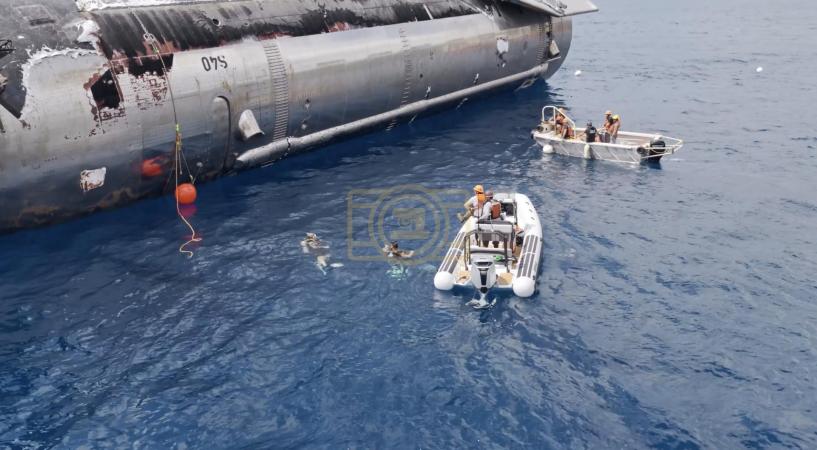
New footage of SpaceX's Ship 40, the upper stage from Starship's Flight 13 mission, shows just how enormous the vehicle really is, with SpaceX employees standing beside it looking tiny next to the 52-meter stainless-steel giant as it floated in the Indian Ocean. The ship completed its soft splashdown on July 24, 2026, after a controlled reentry that SpaceX described as the softest water landing the Starship program has ever achieved, retaining function in all six of its engines and staying airtight enough to remain buoyant rather than breaking apart or sinking, an outcome SpaceX had not originally expected. Recovery crews spent 24 days battling rough seas in the Indian Ocean before finally guiding the massive spacecraft to calmer waters near Christmas Island for close-up inspection and eventual tow back to shore.
The intact recovery gave SpaceX something it has never had before: the chance to directly inspect a flown Starship's heat shield tiles and engines shortly after they endured the extreme heat and stress of atmospheric reentry, rather than relying solely on onboard sensor data. Engineers used that up-close access to study tile retention and damage patterns, feeding lessons directly into the design of future ships. The milestone marks real progress toward what SpaceX has long called reusability's holy grail, a future where both the booster and the upper stage return intact and can be rapidly reflown, a sharp contrast to decades of spaceflight in which rockets were built once, flown once, and discarded. With booster catches, controlled splashdowns, and now full ocean recovery all demonstrated in succession, SpaceX's path toward a fully reusable Starship system looks less like a distant goal and more like a plan already being assembled piece by piece.