“A Chillul Hashem": Bnei Brak Deputy Mayor Demands Full Authority as Sanitation Crisis Deepens

Gallery
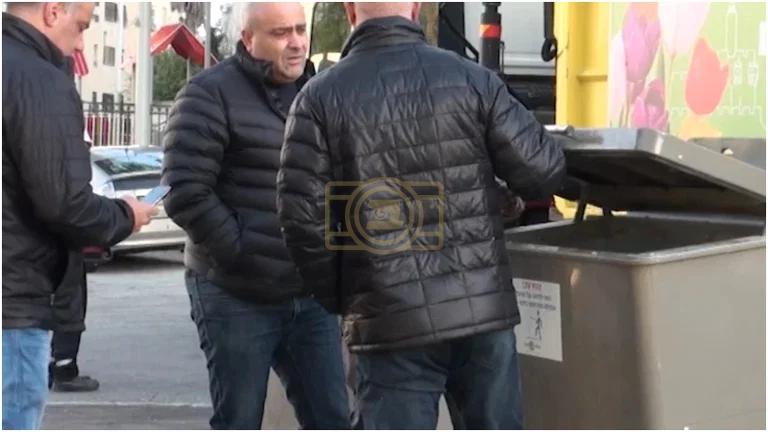
Growing frustration over garbage collection and deteriorating street conditions has sparked a dispute within Bnei Brak's municipal leadership, with Deputy Mayor Akiva Stern demanding the authority needed to restore cleanliness across the city.
A worsening sanitation crisis in Bnei Brak has sparked a confrontation within the city's municipal administration, as Deputy Mayor Akiva Stern warns that the condition of the streets has become unacceptable and is demanding greater control over sanitation operations.
Stern, a Degel HaTorah representative who holds the municipal sanitation portfolio, raised his concerns in a strongly worded letter to City Manager Yisrael Ehrenstein, according to reports published Tuesday, October 20.
The deputy mayor argued that he cannot be expected to take responsibility for the cleanliness of the city while lacking the managerial authority necessary to direct the department and implement changes.
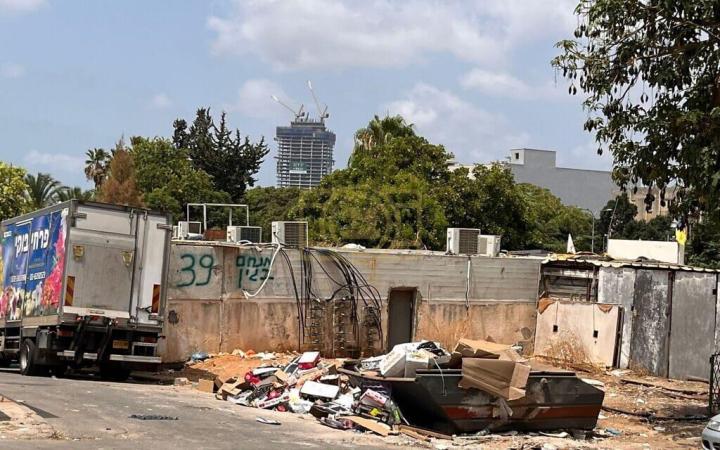
The dispute comes amid growing complaints from residents about overflowing garbage, inadequate street cleaning and deteriorating sanitation conditions in one of Eretz Yisroel's largest Chareidi cities.
Stern reportedly described the situation as a Chillul Hashem, expressing concern over the appearance of the city and the difficulties residents face because of the sanitation problems.
In his letter, Stern called for full managerial authority over the sanitation department, along with improvements to garbage collection, street sweeping and supervision of municipal cleaning services.
He also emphasized the importance of ensuring adequate sanitation services during periods of increased demand, particularly around Yomim Tovim.
The controversy has brought renewed attention to broader difficulties facing Bnei Brak's municipal administration.
An earlier investigation by Israeli media documented complaints about accumulating garbage, rodents and reduced cleaning services, while also examining the municipality's financial challenges.
Municipal officials have disputed aspects of the criticism and said efforts are underway to improve financial management and city services.
However, Stern's latest demands highlight a disagreement within the administration over who has the authority to make operational decisions and who should be held accountable when services fall short.
For Bnei Brak's residents, the issue goes beyond municipal politics. Reliable garbage collection and clean public streets are essential to public health, neighborhood conditions and the daily lives of thousands of families.
The situation has also raised questions about whether changes to the sanitation department's management could produce meaningful improvements.
Mayor Chanoch Zeibert's administration now faces growing pressure to address the complaints and clarify the responsibilities of officials overseeing the city's cleaning operations.
It remains unclear whether Stern will receive the additional authority he has requested or what immediate changes will be implemented.
As frustration over the condition of Bnei Brak's streets continues, residents are awaiting concrete action to improve sanitation throughout the city.