HORMUZ CHOKEHOLD: US Blockade Redirects 86 Ships, Tightens Grip on Iran
Gallery
Videos
The U.S. military's naval blockade against Iran keeps grinding forward, and the latest numbers show just how far-reaching the operation has become. According to U.S. Central Command, as of September 2, American forces have redirected 86 commercial vessels attempting to reach or leave Iranian ports. Beyond redirection, CENTCOM reports that three ships have been disabled outright and two others were boarded by U.S. personnel. These figures aren't isolated; they represent the steady climb of an operation that has been expanding week over week since it resumed this summer.
This blockade didn't start in September, and it hasn't run uninterrupted either. U.S. forces first launched the operation in April 2026 after talks meant to resolve tensions with Iran collapsed, kicking off a campaign aimed squarely at choking off the country's oil revenue. A ceasefire brought a temporary pause in June, offering a brief window where maritime traffic moved more freely. That calm didn't last, however, and by July the blockade was back in full force, with U.S. warships once again patrolling key chokepoints to intercept vessels bound for or departing Iranian shores.
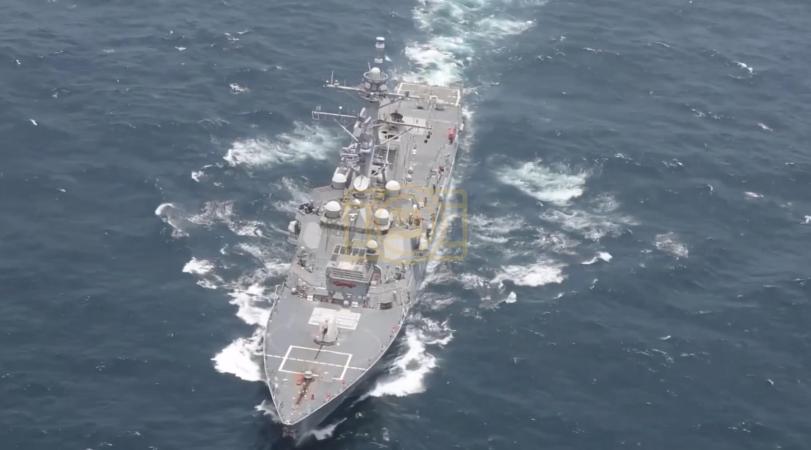
The scale of the effort on the water is hard to overstate. More than 20 U.S. warships have reportedly been involved in supporting these blockade operations, backed by naval aviation assets including helicopters and other aircraft operating off ship decks. Footage circulating alongside these updates shows the routine but tense choreography of the mission: helicopters landing on flight decks, warships holding position at sea, and commercial tankers navigating waters under close watch. Every one of those tankers represents a potential interception, a possible diversion, or in some cases, a vessel forced to a stop entirely.
The financial pressure on Iran from this campaign has been significant, with earlier estimates from U.S. officials suggesting the blockade has cost the country hundreds of millions of dollars a day in lost oil revenue. Iranian officials, for their part, have pushed back, insisting they won't fully reopen affected waterways until the U.S. meets a list of demands, including lifting the blockade altogether and easing sanctions. That standoff shows no sign of resolving quickly, and the numbers CENTCOM releases each week, climbing steadily from dozens to now 86 vessels redirected, serve as a running scoreboard of just how entrenched this confrontation has become. As long as both sides hold their positions, the ships caught in between will keep being turned away, stopped, or boarded, one vessel at a time.