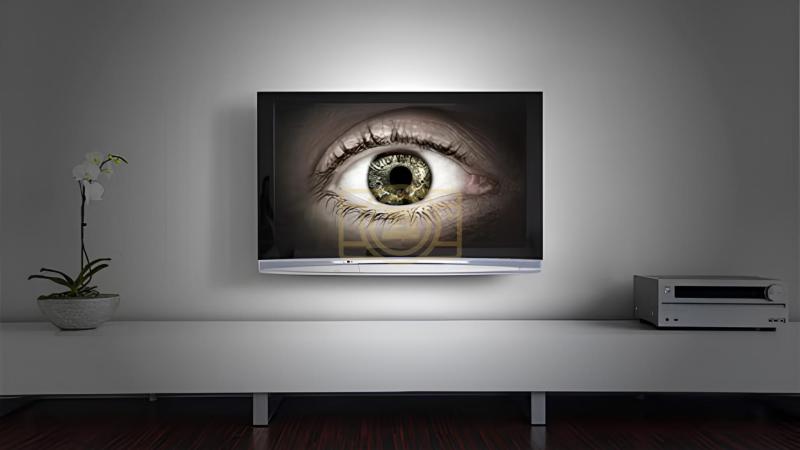
THE TV IS LISTENING: Investigation Finds LG Sets Recording in Standby Mode

Gallery
Videos
A months-long investigation by Gamers Nexus, conducted alongside Level1Techs and independent security researchers, has found that certain LG OLED smart TVs continue scanning home networks and capturing microphone audio even while sitting in standby mode. The team tested retail LG models, including the flagship G5, spending roughly 500 hours and about $70,000 running packet captures with tools like Wireshark to see exactly what the televisions were transmitting when nobody was actively using them. What they found included detailed logs of Wi-Fi network names, signal strengths, and channel numbers in the surrounding area, along with the TVs actively scanning and identifying unrelated devices on the local network, including smartphones, smartwatches, and printers belonging to people who weren't even involved in the testing. Gamers Nexus editor-in-chief Steve Burke described the scope of the data collection bluntly, calling it an egregious invasion of privacy in comments reported by outlets covering the investigation.
The most striking claim in the investigation involves what happens to voice data once it's captured. Researchers said they recovered on-device speech-to-text files generated from spoken commands, including transcribed conversation that continued recording for roughly ten to fifteen seconds after a voice command had already been given. Even more notably, the team reported capturing usable microphone audio while a test unit was in standby mode and after its Ethernet cable had been physically unplugged, with the resulting audio files remaining stored locally on the device until internet connectivity was restored, at which point the data uploaded automatically. Combined with the network scanning results, this same data pipeline feeds into LG's Automatic Content Recognition system, branded as "Live Plus," which the investigation says is used to identify what's being watched across different HDMI inputs and build detailed household profiles for LG's advertising arm, LG Ad Solutions.
LG has previously stated publicly that its televisions do not collect, record, or store ambient conversations, and the company maintains that voice processing only activates in response to a wake word or command, with network scanning functioning as a standard feature for device connectivity rather than covert surveillance. The Gamers Nexus investigation pushes back on that framing, arguing that even if LG's specific wording about "ambient conversations" is technically accurate, the underlying voice-assistant pipeline still captures far more than users would reasonably expect, especially once a command triggers extended recording. Adding another layer of concern, researchers also said they identified remote code execution vulnerabilities in the TV's webOS software that could theoretically let an attacker activate the microphones covertly while the television looks completely inactive, though full technical details are being withheld while the flaws go through responsible disclosure.
With an estimated 216 million LG smart TVs in use globally, the scale of these findings has real weight behind it, and the response has been swift. Security researchers and outlets covering the story have recommended several immediate mitigation steps, including disabling ACR and voice recognition features through the TV's privacy settings, declining optional advertising and data-collection agreements rather than accepting them by default, and, for the most cautious users, disconnecting the television from the internet entirely and relying on an external streaming device instead. The controversy also arrives alongside separate scrutiny of LG's monitor line, where the same investigators found undisclosed adware installation, adding to a broader pattern of privacy complaints against the company this year. For now, LG has offered only limited public comment beyond its standing denial of always-on ambient listening, leaving consumers and regulators to weigh the investigation's evidence against the company's assurances.