BLUE WAVE MESSAGE: Mamdani Says Americans Are Fed Up With Politicians Serving Wealthy Donors Over Ordinary Citizens
Gallery
Videos
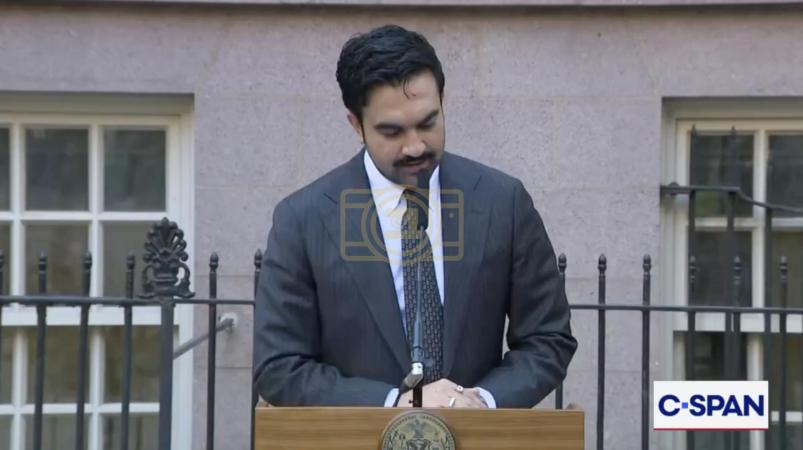
New York City Mayor Zohran Mamdani has used the results of the November 3, 2026, US midterm elections to deliver a pointed message about economic inequality and political influence in Washington. Reacting to the Democratic Party's reported electoral gains, Mamdani argued that voters are increasingly frustrated with politicians who dismiss their financial concerns while remaining closely aligned with wealthy donors. “What last night showed us is that Americans are tired of being told their needs are unrealistic by politicians who have been bought by the wealthiest people in the country,” he said. The mayor presented the results as evidence of growing public demand for political leaders to prioritize everyday economic pressures rather than the interests of powerful financial backers. His remarks reflect the progressive economic agenda he has championed since his election as New York City's mayor in 2025.
Mamdani's post-election message also emphasized the need to move quickly on policies intended to reduce the cost of living, including rent freezes, universal childcare and expanded support for working-class households. He framed the Democratic gains as an opportunity for progressive leaders to push these priorities more aggressively, arguing that voters expect tangible improvements in their daily lives. The comments come amid continuing national debates over housing affordability, childcare expenses, wages and the influence of wealthy donors in American politics. However, while Mamdani characterized the election results as a rejection of established political priorities, individual voters may have supported candidates for a range of different reasons. Whether the reported electoral gains will translate into the legislative support needed to advance his preferred policies remains uncertain. His remarks nevertheless place economic affordability and the role of money in politics at the center of the post-election political debate.