SUPERINTELLIGENCE COULD CHANGE EVERYTHING: Fed Chair Kevin Warsh Says Superintelligence Could Prevent Economic Stagnation by Accelerating Human Innovation

Gallery
Videos
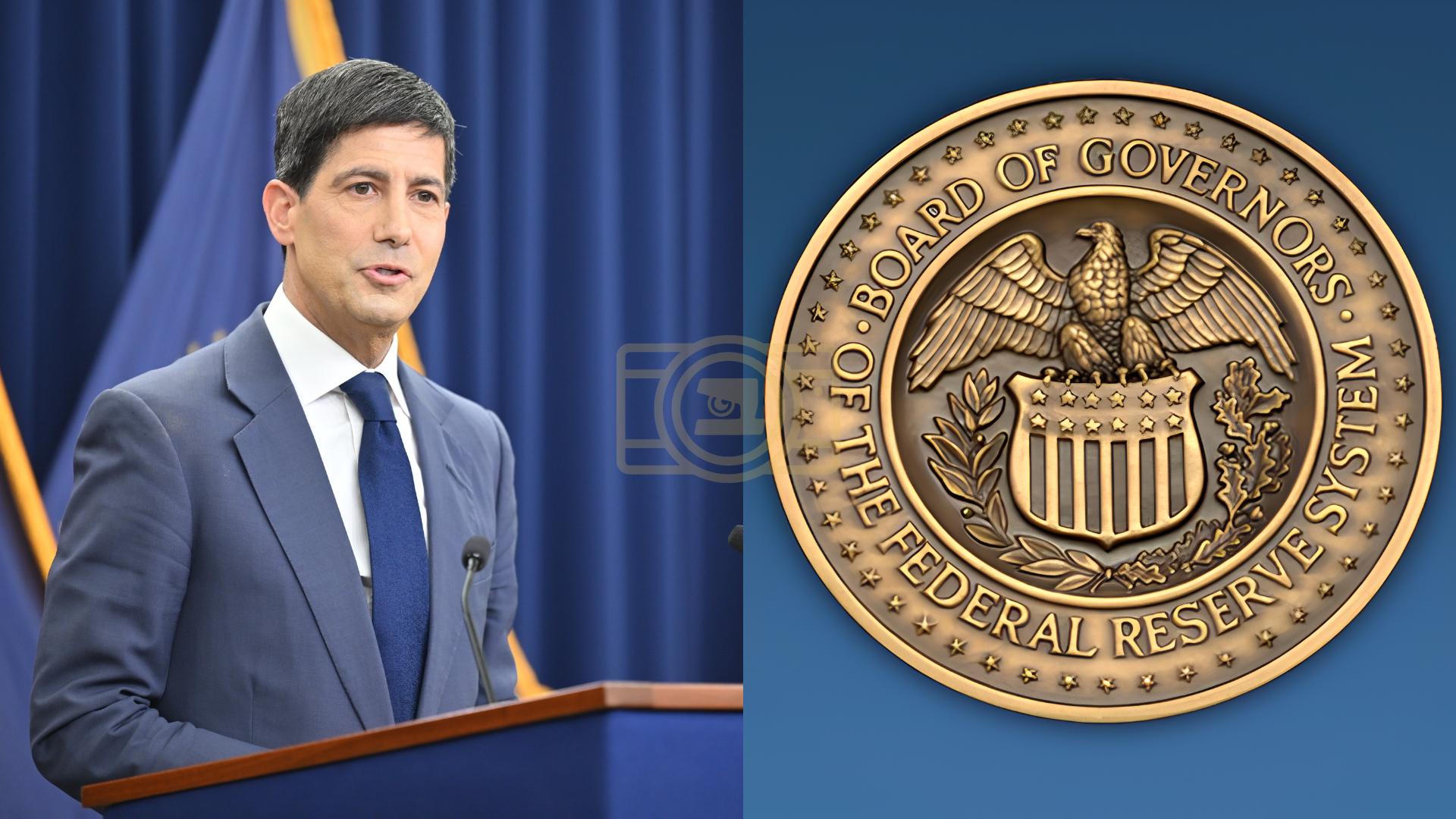
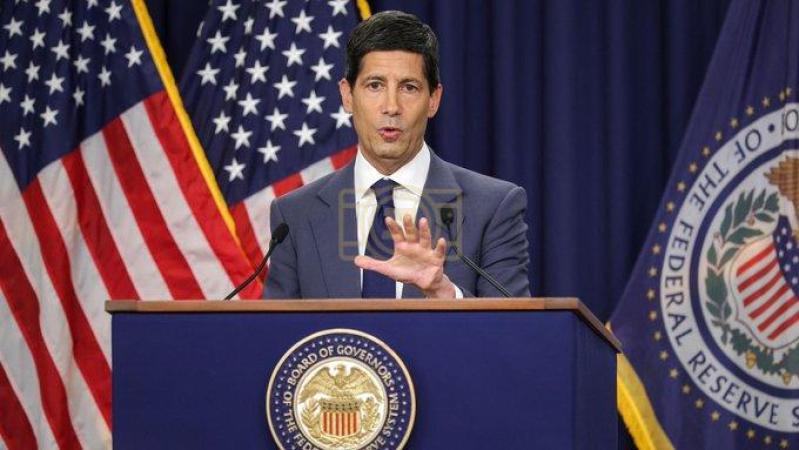
Federal Reserve Chair Kevin Warsh says artificial intelligence and superintelligence could help overcome a potential slowdown in economic innovation as population growth declines and fewer new ideas emerge. Speaking at a Federal Reserve AI conference in San Francisco, Warsh highlighted the importance of innovation as a driving force behind long-term prosperity, warning that slower population growth could mean fewer people generating the ideas needed to sustain economic expansion. “As population growth slows, there may be fewer new ideas to drive prosperity,” Warsh explained. Drawing on the principles of endogenous growth theory, he emphasized that ideas are a unique economic resource because they can be shared and developed without being depleted through use. Warsh suggested that increasingly advanced AI systems could dramatically accelerate the creation of new ideas, potentially opening opportunities for economic growth that were previously difficult to achieve through human innovation alone.
Warsh also outlined the possibility that superintelligence could help deliver sustained above-average GDP growth by accelerating research, improving productivity, and expanding the development of new technologies. Unlike previous technological advances, advanced AI could fundamentally change the speed at which new discoveries and solutions are generated across multiple industries. However, he also acknowledged that the economic transformation could bring significant challenges, including job displacement, disruptions to existing industries, and disappointing financial returns if massive investments in AI fail to deliver their expected results. The potential benefits will ultimately depend on how effectively businesses, workers, and policymakers adapt to the rapidly changing technology landscape. His remarks highlight an increasingly important economic question: Could artificial intelligence become the next major engine of prosperity as traditional sources of population-driven growth begin to slow?