POLITICAL PRESSURE MOUNTS: Trump wants lower rates as Fed weighs credibility risk
Gallery
Videos
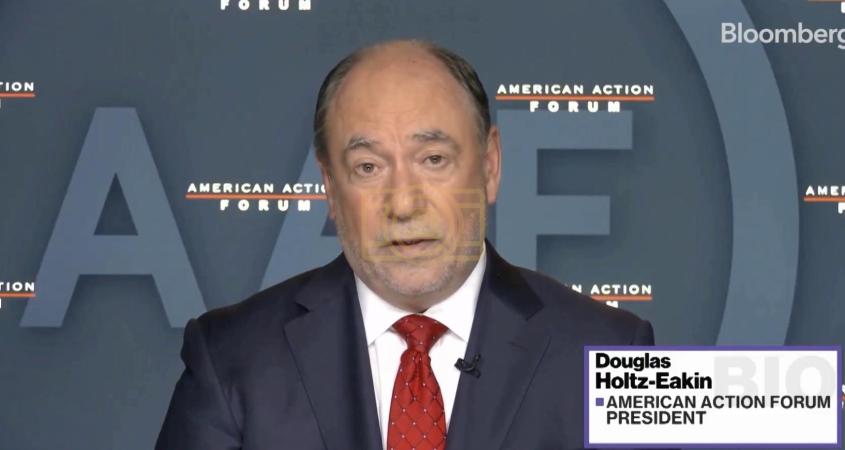
Bloomberg Television posed a pointed question this week as the Federal Reserve heads into its September meeting: what happens if policymakers skip an expected rate increase. Douglas Holtz-Eakin, president of the American Action Forum and a former director of the Congressional Budget Office, argued the Fed should go ahead with a hike, warning that failing to act would undercut the central bank's credibility at a moment when persistent inflation is already testing its inflation-fighting reputation. The segment aired with markets pricing in a strong likelihood of a quarter-point increase, driven largely by rising energy costs and inflation pressure that has pushed 10-year Treasury yields toward their highest levels in roughly three years. One market strategist has warned that if long-term yields keep climbing toward the 5% mark, the S&P 500 could fall by as much as 10%.
Holtz-Eakin's comments also touched on the political backdrop shadowing the decision, noting President Trump's continued public push for lower interest rates even as incoming data points toward the opposite move. That tension, between political pressure to ease and economic signals suggesting the Fed needs to stay tight to protect its credibility, has become a defining storyline heading into this month's policy meeting. Investors are watching closely because the outcome carries consequences well beyond the size of the rate move itself, shaping borrowing costs, bond yields, and equity valuations in the months ahead. For now, Holtz-Eakin's view reflects a broader camp of economists arguing that holding steady now could cost the Fed more credibility than a hike would cost the economy in growth.