THE LIST GROWS SHORTER: IDF Kills Oct. 7 Terrorist in Jabaliya Airstrike
Gallery
Videos
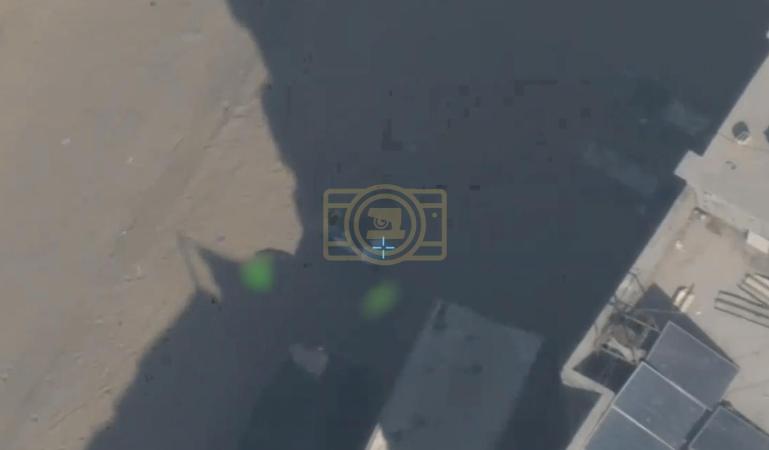
Nearly three years after Hamas militants stormed across the border and carried out the deadliest attack in Israel's history, the Israel Defense Forces announced the elimination of yet another commander who took part in that assault. The IDF confirmed that Abd al-Fattah Abu al-Aish, identified as a commander within Hamas's elite Nukhba force, was killed in an airstrike in the Jabaliya area of northern Gaza. According to the military, Abu al-Aish had personally infiltrated Israeli territory during the October 7 massacre before returning to Gaza, where he continued operating within Hamas's ranks. Alongside him, Raed Alyan, described as an operative in Hamas's military wing, was also killed in the same strike.
Israeli officials said the two men were targeted after intelligence indicated they had recently been working to advance terror attacks against IDF troops and Israeli civilians. The military further alleged that both individuals had been actively violating the ceasefire arrangement currently in place, using the relative calm to rebuild operational capacity rather than stand down. This pattern, targeting individuals who not only participated in the original attack but allegedly resumed hostile activity afterward, has become a defining feature of Israel's ongoing campaign against Hamas's remaining infrastructure in Gaza.
This latest strike is far from an isolated incident. In the days immediately preceding it, the IDF also announced the elimination of Hani Abd al-Hai Fakhri Mazloum, a Nukhba company commander, and Hassan Zidan Hassan Deiri, a sniper within Hamas's military wing, both of whom were accused of trafficking weapons to the group. The steady cadence of these operations reflects a broader, sustained effort by Israeli forces to systematically hunt down individuals connected to the October 7 attack, regardless of how much time has passed. IDF Chief of Staff Eyal Zamir has publicly reaffirmed that commitment, vowing that everyone who took part in the massacre will eventually be found and eliminated.
For families of the victims and hostages taken that day, each announcement serves as a grim but consistent reminder that the war's shadow has not lifted, even as active combat has shifted into a different phase. For Israeli military leadership, these operations are framed not just as retribution but as an ongoing security necessity, aimed at preventing former October 7 participants from regrouping or planning future attacks. As the third anniversary of the massacre approaches, the IDF's continued strikes suggest that the hunt for those responsible remains far from finished, with new names still being added to the list of those eliminated almost on a weekly basis.