Iran Demonstrators Storm Clerical Power Site.
Gallery
Videos
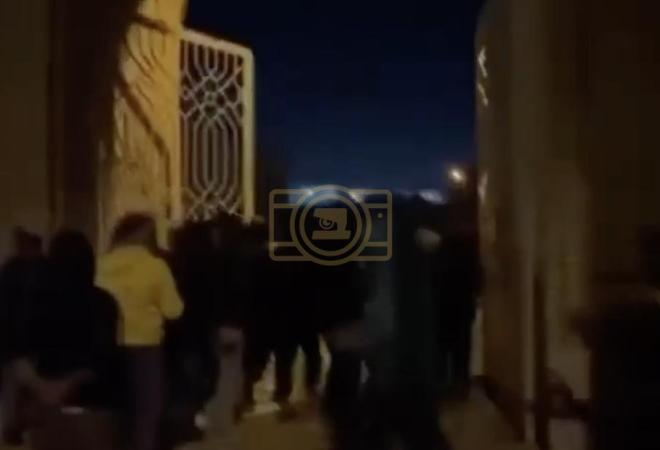
A significant escalation in Iran’s nationwide protests unfolded on January 9, 2026, when demonstrators in Fars Province forcibly breached the gates of a senior cleric’s compound—an act that goes far beyond symbolic dissent and strikes directly at the physical centers of regime power.
This was not a distant rally or shouted slogans from across a street. Protesters physically forced entry into a protected clerical site, bending and breaking ornate metal gates designed to signal permanence, authority, and untouchability. These compounds are not merely residences; they are power markers within Iran’s theocratic system, heavily guarded and historically off-limits to public challenge.
Leaked nighttime footage shows dozens of protesters pressing forward with little visible resistance from security forces at the moment of breach. The absence of immediate intervention has fueled speculation that authorities were either overwhelmed or strategically avoiding confrontation as unrest spreads nationwide.
The breach carries deep symbolic weight. For decades, clerical compounds have represented the immovable core of Iran’s ruling elite. By pushing through the gates, protesters demonstrated a shift from protesting authority to confronting it directly at its doorstep. The act signals not just anger, but confidence and intent—an effort to challenge the regime’s claim of absolute control.
The protests began on December 28, 2025, following the collapse of Iran’s currency, which triggered soaring inflation, shortages, and widespread economic despair. Since then, demonstrations have expanded across the country despite severe internet restrictions designed to limit coordination and suppress information flow.
Open-source intelligence sources and international media outlets report that at least 72 people have been killed and more than 2,300 arrested as security forces intensify their response. Authorities have signaled that a broader crackdown is imminent, even as fragmented footage continues to leak out, offering glimpses of events the regime seeks to obscure.
The breach in Fars Province challenges the long-held perception that Iran’s clerical power centers are invulnerable. As protesters increasingly target the physical symbols of regime authority, pressure mounts both domestically and internationally, amplifying calls for accountability and systemic change.
Whether the regime can reassert control without further inflaming public resistance remains uncertain. What is clear is that a line once considered uncrossable has now been breached—and the psychological impact of that moment may prove as consequential as the act itself.