TWO MINUTES THAT MATTERED: Saint Paul Drone Finds Missing Boy in Pond
Gallery
Videos
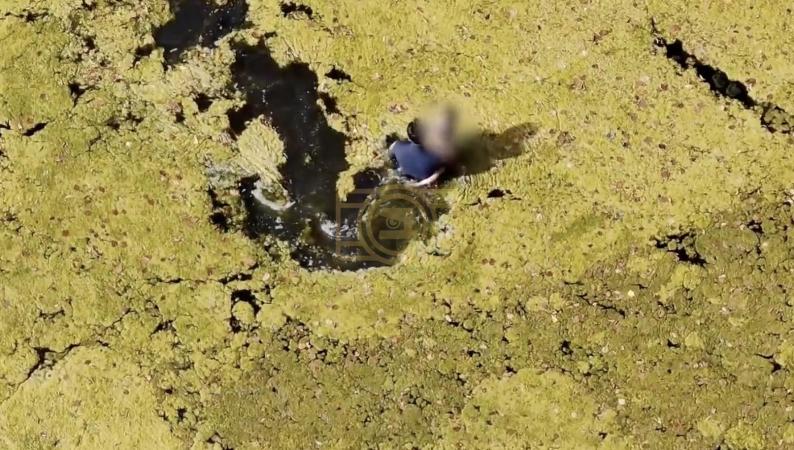
A quick-thinking bystander and a fast-moving police drone combined to save a young boy's life on Saint Paul's Greater East Side on Monday afternoon. A good Samaritan spotted the child struggling to get out of a pond and immediately called 911, setting off a rescue effort that hinged on speed. Saint Paul Police responded by launching one of the department's docked drones, an aircraft that lives on a rooftop station and can be dispatched automatically after a high-priority emergency call, flown remotely by a trained officer. That drone reached the pond roughly two minutes before any officers arrived on foot, giving responders a critical head start on a situation where every second counted. Footage from the drone shows an overhead view of the child breaking through thick, algae-covered surface water before officers arrived and pulled him safely to the bank.
According to the child's family, he has autism and had wandered away from home without anyone realizing he was gone, a phenomenon known as elopement that's a well-documented and serious risk for autistic children, particularly those who are nonverbal. Because the drone arrived first, it was able to relay the child's exact location and visible condition to officers before they ever set foot near the water, cutting out the time it normally takes searchers to physically locate a struggling child in a large or obscured body of water. That kind of real-time information can make an enormous difference in situations like this one, where a delay of even a minute or two can change the outcome entirely. Police credited the combination of a fast 911 call and the drone's early arrival directly with the positive result, and the child was later examined at a hospital and reunited with his family.
This rescue lands squarely in the middle of an active political debate over how far Saint Paul's drone program should be allowed to grow. The Saint Paul City Council has been weighing whether to accept a $200,000 Department of Justice grant that would fund an expansion of the police department's docked drone program, a vote that was originally scheduled for early September but got laid over after residents packed the council chambers in protest. At least two council members had already signaled opposition to the expansion before this rescue took place, and the council was set to take up the matter again just two days after the pond incident. Under Minnesota law, police generally need a search warrant to fly a drone, but state statute carves out exceptions for emergencies involving risk of death or bodily harm and for active searches for missing people, which is the legal basis that allowed the drone to be deployed so quickly in this case.
The timing of this rescue, arriving right in the middle of that ongoing council debate, has already become part of the conversation itself. Supporters of the program have pointed directly to this incident as concrete proof of the technology's value, arguing that a drone reaching a drowning child two minutes ahead of officers speaks for itself. Critics of the expansion, meanwhile, have continued to raise concerns about oversight, cost, and how flight logs and program spending are tracked and audited, arguments that a single successful rescue doesn't necessarily resolve. Saint Paul isn't alone in grappling with this question either, as neighboring Minneapolis has been weighing similar concerns about police drone use across the river. Whatever the council ultimately decides, this rescue is likely to remain a central example in the debate over how much value these programs provide against the privacy and oversight questions they raise.