Trump Rebukes Reporter Over Venezuela Question: “Would I Tell You That?"
Gallery
Videos
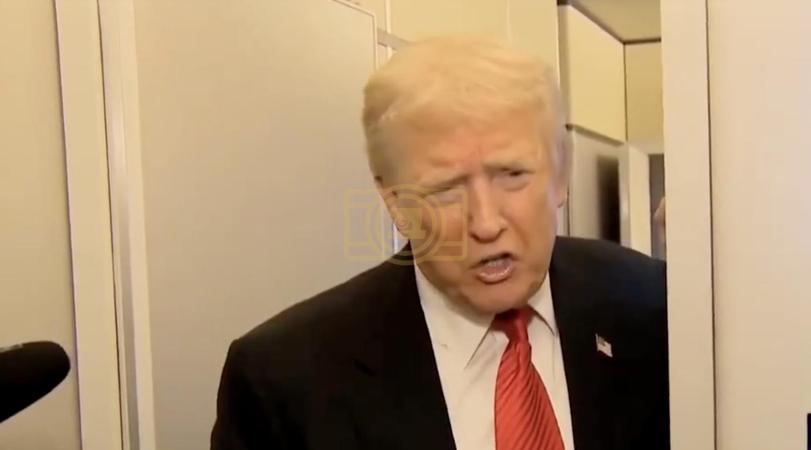
President Donald Trump declined to confirm or deny whether the United States is considering military action against Venezuela, responding sharply to a reporter’s question that touched on potential national security plans. His reply, characteristically candid yet calculated, underscored his administration’s firm stance of strategic ambiguity when dealing with adversarial regimes in the Western Hemisphere.
“Well how could I answer a question like that, ‘Are there plans for a strike on Venezuela?’” Trump said. “Who would say that? Supposing there were, would I say that to you? What kind of a question is it? Look, we’ll see what happens with Venezuela.”
The President’s remarks, delivered with his trademark directness, signal that all options remain on the table regarding the ongoing crisis in Venezuela — a nation still reeling from economic collapse, political corruption, and the influence of hostile foreign powers such as China, Russia, and Iran. Trump’s refusal to reveal operational details reflects both prudence and strength, reinforcing America’s posture of readiness without telegraphing intentions.
Under the Trump administration, U.S. policy toward Venezuela has emphasized restoring democratic governance, countering narcoterrorism, and curbing foreign interference. While Washington has ramped up sanctions and intelligence coordination with regional partners, speculation continues over whether military deterrence remains a viable tool against the Maduro regime’s entrenched power structure.
Supporters argue that Trump’s approach exemplifies disciplined leadership — projecting resolve without compromising strategy. His message was clear: America will act when and how it deems necessary, not on cue from the press or international critics.
As instability continues in Venezuela, the President’s “we’ll see what happens” remark encapsulates both warning and restraint — a reminder that the United States, under Trump’s command, remains unpredictable to its enemies and unwavering in defense of freedom in the Americas.