"THEIR HEAD STAYING ATTACHED": Bessent's Blunt Warning on Iran's Desperate Regime

Gallery
Videos
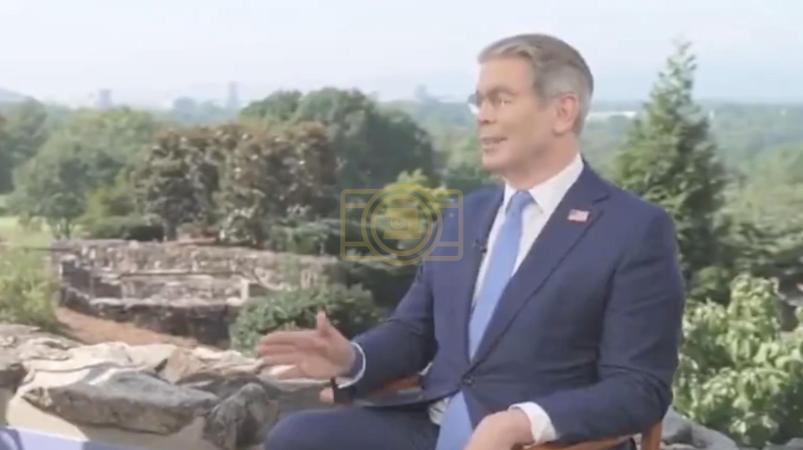
Treasury Secretary Scott Bessent delivered a striking assessment of Iran's economic collapse during a CNBC interview, painting a picture of a regime running out of options and, according to him, starting to panic. Speaking on Squawk on the Street at the G20 finance ministers meeting, Bessent said the combination of Operation Economic Outcast and an ongoing naval blockade has effectively severed Iran from the outside world economically. He pointed to a telling sign of the pressure's impact: Iran's own elected leadership has begun publicly complaining about the state of the economy, something Bessent framed as a direct message aimed at hardliners within the regime rather than an accident of candor.
What stood out most in Bessent's remarks was his blunt read on what actually motivates the people running Iran. Rather than describing them as ideologically driven or immune to pressure, Bessent said that in his experience, people like Iran's leadership ultimately care about one thing above all else, keeping their own heads, quite literally, attached to their necks. It was a stark and almost theatrical way of saying that self-preservation, not principle, is what will eventually force the regime's hand. Bessent suggested this instinct for survival is precisely why he believes Operation Economic Outcast could push Iran toward the negotiating table, even if military pressure alone hasn't been enough to get them there.
The remarks come against the backdrop of a much larger and increasingly dangerous standoff between the United States and Iran, one that has included direct military action in addition to economic warfare. The naval blockade Bessent referenced has choked off Iran's ability to move oil and goods, compounding the damage already done by sanctions and financial isolation efforts. Tensions have also spilled into open conflict in recent months, with strikes, closures of key shipping routes, and disruptions that have rattled global energy markets. Bessent has repeatedly argued that economic and military pressure need to work together, previously stating that forceful action, whether financial or military, is simply the language Iran's leadership understands.
Taken together, Bessent's comments suggest the administration views the current moment as a turning point, one where sustained economic strangulation may finally succeed where military pressure alone has not. Whether Iran's leadership actually moves toward a deal or continues to dig in remains to be seen, but Bessent's message was unmistakable: the walls are closing in, and even the most defiant regimes tend to reconsider their position when survival itself is on the line. For now, the world will be watching closely to see whether that pressure produces real diplomatic movement, or whether it simply pushes an already volatile situation toward further escalation.