$165,000 BENEFIT FRAUD ALLEGED: DOJ Details Identity Theft Case Involving SNAP, Medicaid and Housing
Gallery
Videos
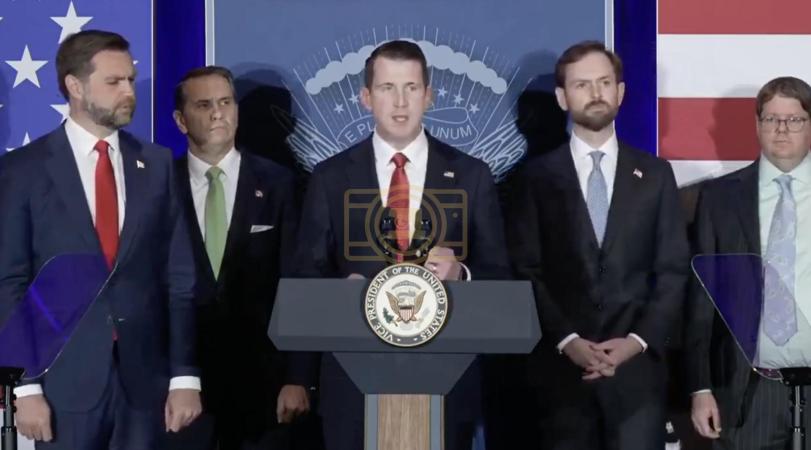
Assistant Attorney General Colin McDonald has highlighted an alleged identity-theft scheme involving more than $165,000 in government benefits, adding to a broader federal crackdown on public assistance fraud. According to the Justice Department, Fernandez Guzman allegedly used a stolen U.S. citizen’s identity to obtain more than $22,000 in Supplemental Nutrition Assistance Program (SNAP) benefits, over $98,000 in MassHealth benefits, and more than $45,000 in Section 8 housing assistance. Federal authorities allege that fake state identification cards and driver’s licenses were used in the scheme, which involved benefits intended to help eligible households access food, health care, and affordable housing. The case has been cited amid intensified enforcement efforts targeting suspected fraud across taxpayer-funded programs. In a separate Massachusetts crackdown announced in June 2026, the Justice Department charged 15 people, including 11 whom authorities identified as being in the country illegally, in cases involving more than $1.4 million in alleged benefit fraud. Officials say the investigations are intended to identify identity theft, fraudulent applications, and other schemes that divert public resources from eligible recipients.
The cases underscore the federal government’s growing focus on verifying identities and eligibility across assistance programs, including SNAP, Medicaid, and housing support. Investigators have pursued allegations involving stolen personal information, false documents, and applications made under identities that do not belong to the recipients. Such schemes can expose identity-theft victims to financial and administrative complications while creating costs for government agencies and taxpayers. However, allegations against individual defendants must be distinguished from proven criminal conduct, and each defendant is presumed innocent unless proven guilty in court. The administration’s broader enforcement campaign seeks to strengthen oversight, investigate suspected fraud, and hold those responsible accountable under federal law. Its effectiveness will depend not only on identifying improper payments but also on substantiating cases, recovering funds where possible, and ensuring that stronger verification measures do not improperly prevent eligible Americans from receiving essential assistance.