The Sun Set at Midday: A Chronological Overview of the Biography of the Dzirka Rebbe Z"L During the Yemei Shiva
Gallery
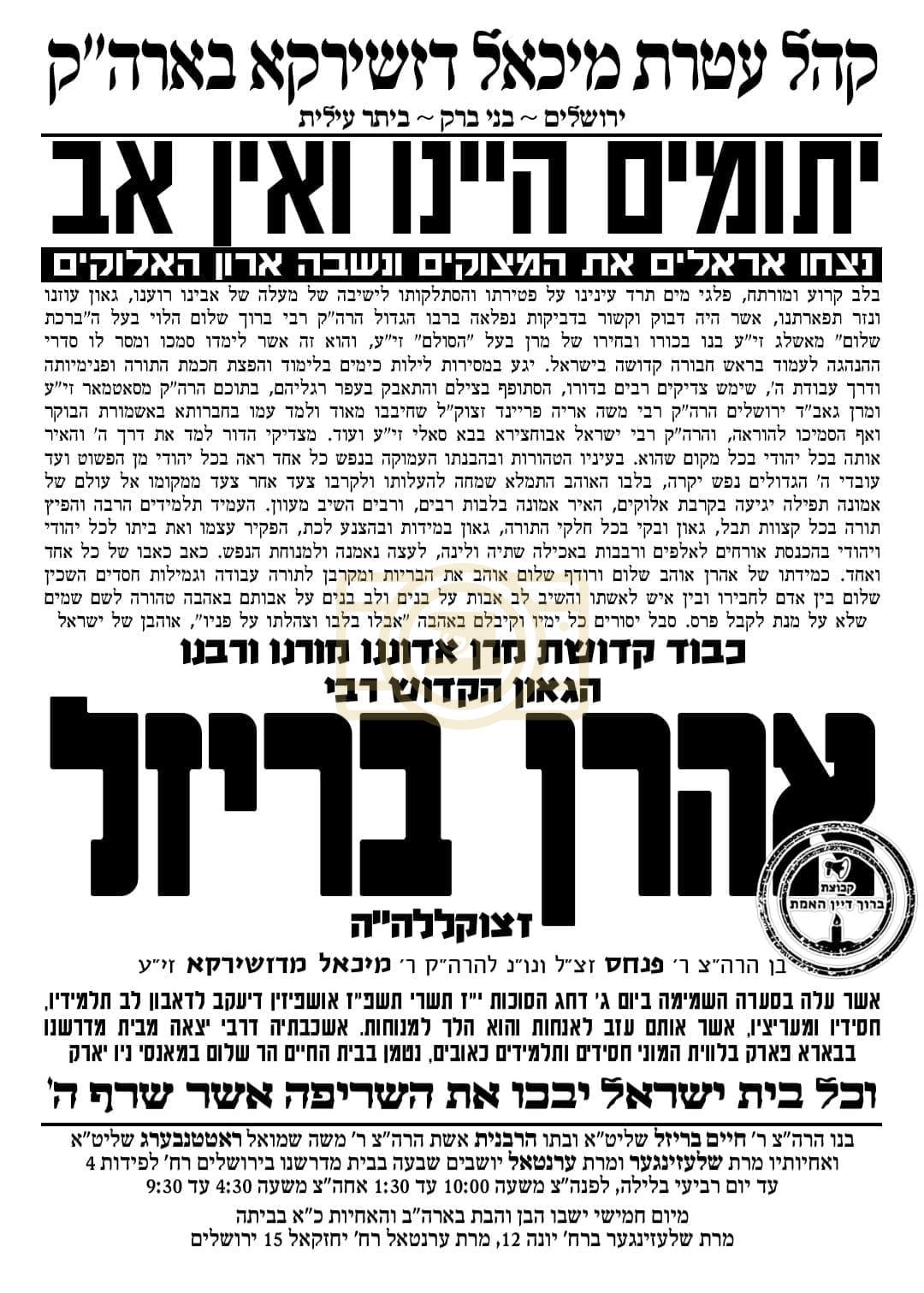
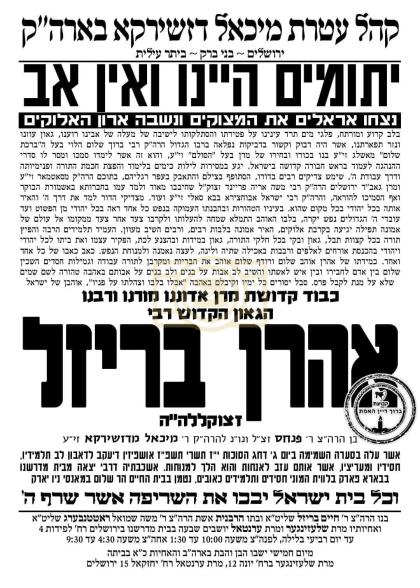
Baruch Dayan HaEmes: The Dzirka Rebbe, ZT”L
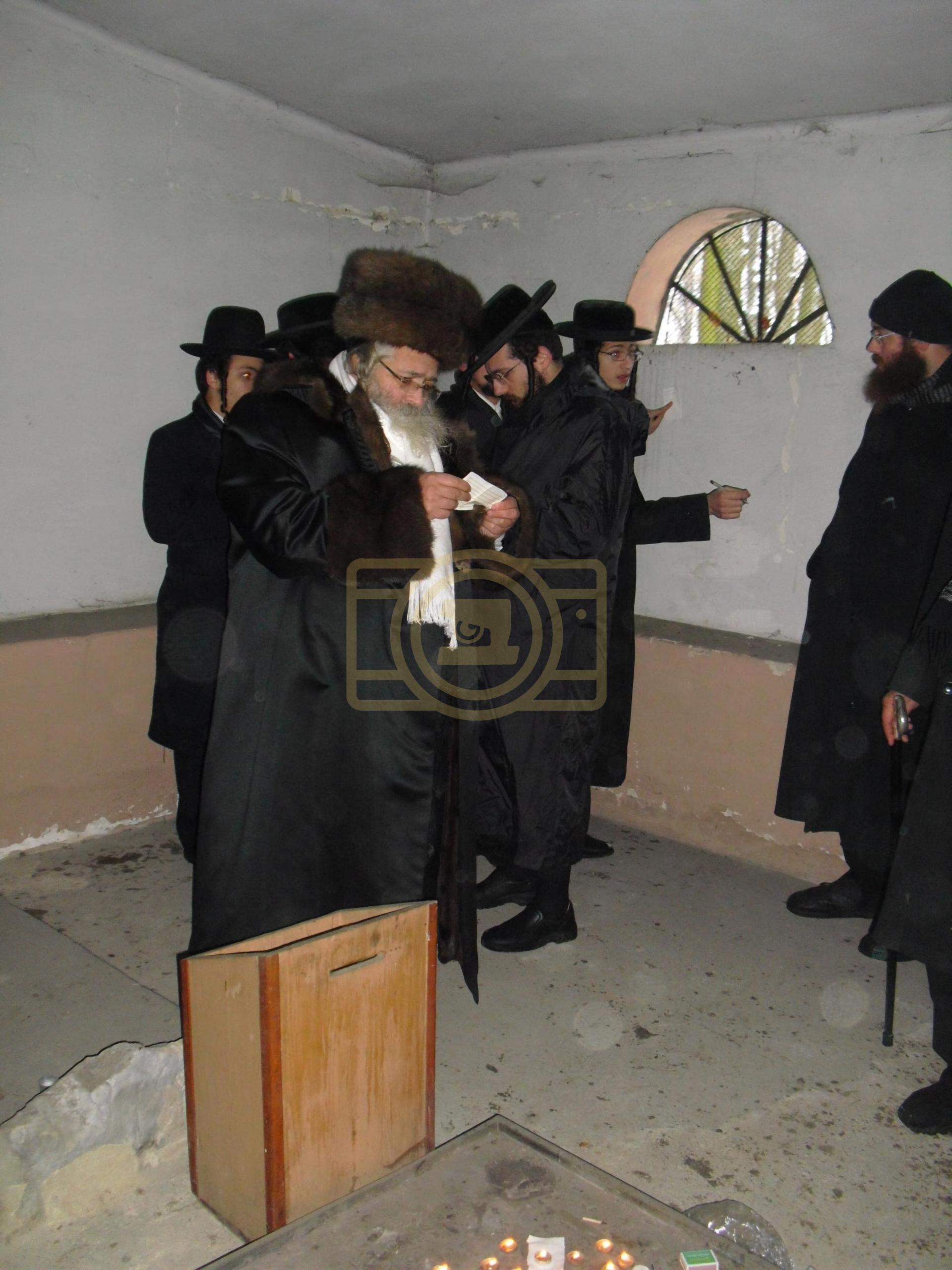
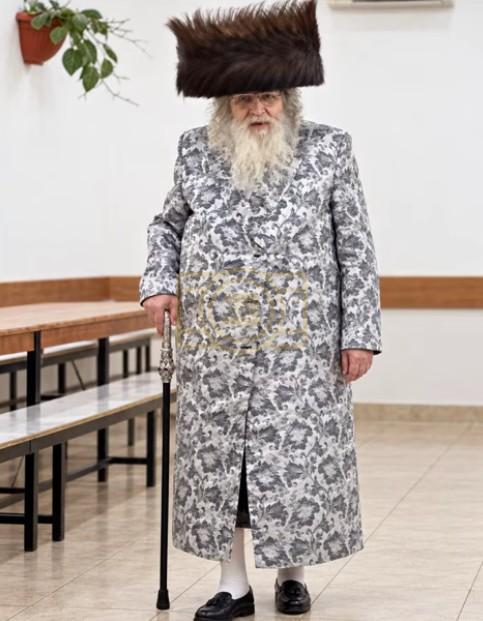
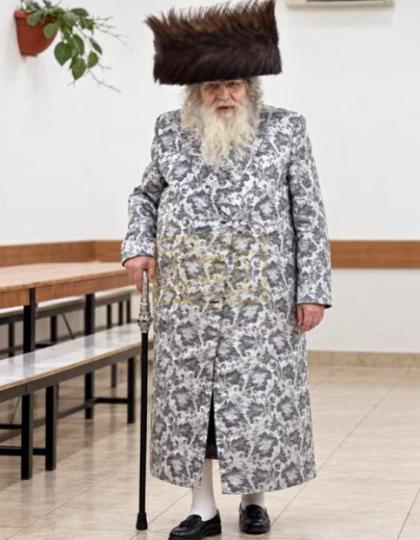
It is with great sadness that the Torah world mourns the petirah of the Dzirka Rebbe, ZT”L, a beloved manhig, Talmid Chacham, and Oved Hashem who dedicated his life to Ahavas Yisroel, chizuk, and kiruv. Known for his profound simplicity and heimishkeit, the Rebbe possessed an extraordinary understanding of the human soul, reaching out to every Yid from their own level to uplift and encourage them.
The Rebbe was the son of the esteemed Karliner chossid, Reb Pinchas Brizel, ZT”L, and the son-in-law of Reb Eliezer Rothschild, Z”L, a prominent Satmar chossid in Yerushalayim (and father of yblch”t Reb Meshulam Rothschild of Williamsburg).
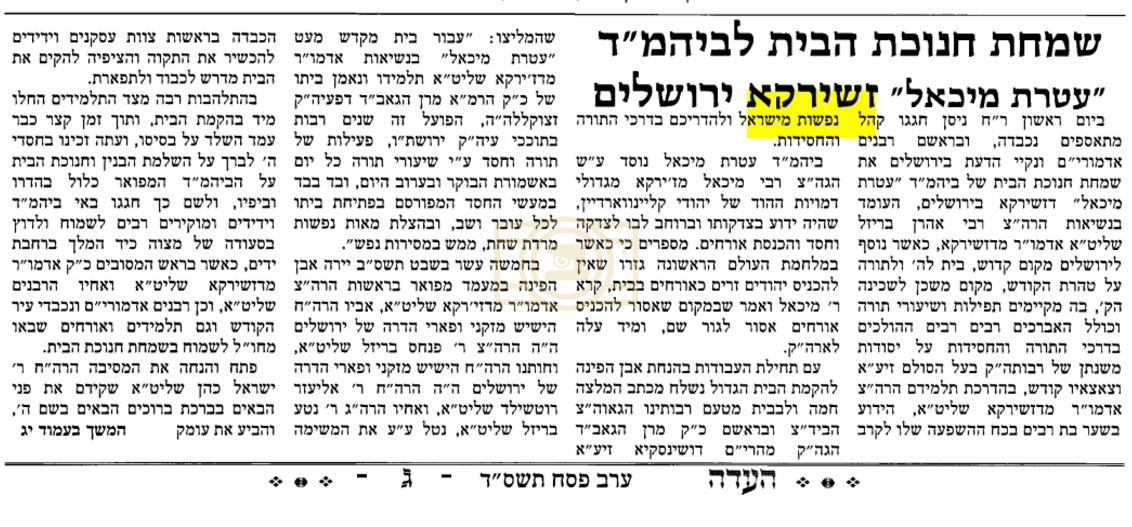
The Brizel family traces its illustrious yichus back to Harav Yosef of Nanas, through a golden chain including Harav Chaim Uri of Reisha—who famously signed his name with the acronym "Briz”l"—and Harav Tzvi Yaakov of Shendishov.
The Rebbe leaves behind a beautiful family, with children and sons-in-law serving as prominent figures in Kiryas Joel, Williamsburg, Yerushalayim, and beyond. His sons-in-law include Harav Hershel Weiss (son of the Chmelniker Rav, Shlit”a), Harav Efraim Stein (son of the Savraner Rav, Shlit”a), and Harav Rottenberg (son of Harav Chaim Shlomo of Yerushalayim). His son, Harav Chaim Shlit”a, has taken on the mantle of leadership to continue his father's holy work at the Dzirka Beis Medrash in Yerushalayim.
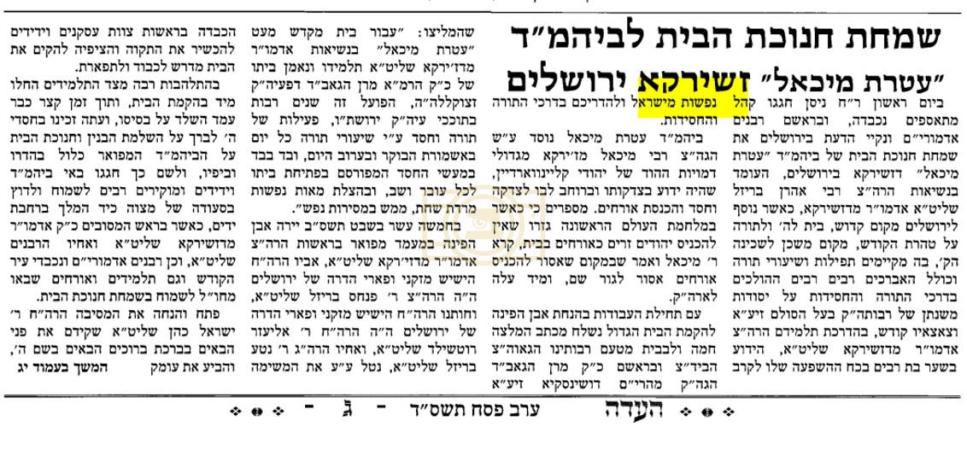
In his formative years, the Rebbe was a close talmid of the Minchas Yitzchok, Harav Moshe Aryeh Freund, ZT”L, Gaavad of Yerushalayim, and remained deeply connected to the Satmar derech throughout his life.
At the same time, he was drawn to the pnimiyus of Torah, becoming a close talmid of Harav Sholom Ashlag, ZT”L, son of the Baal HaSulam. He also learned Toras HaSulam with yblch”t Hagaon Harav Itche Meir Morgenstern, Shlit”a. This unique blend of Brizel heimishkeit, Karliner bren, and Ashlag pnimiyus defined his remarkable avodas hakodesh.
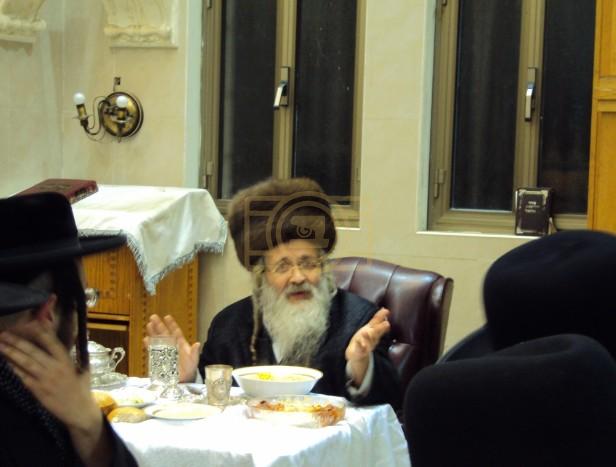
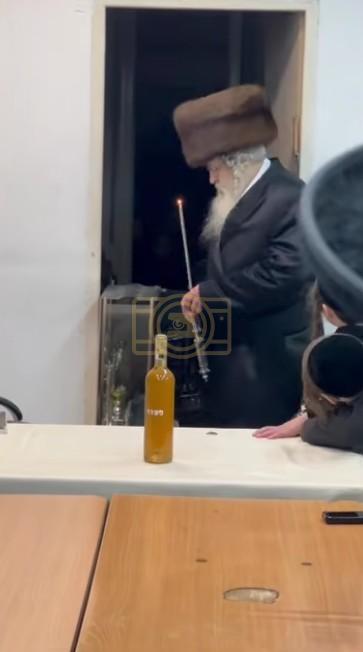
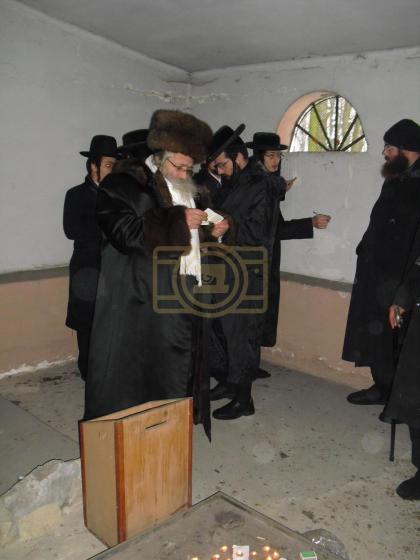
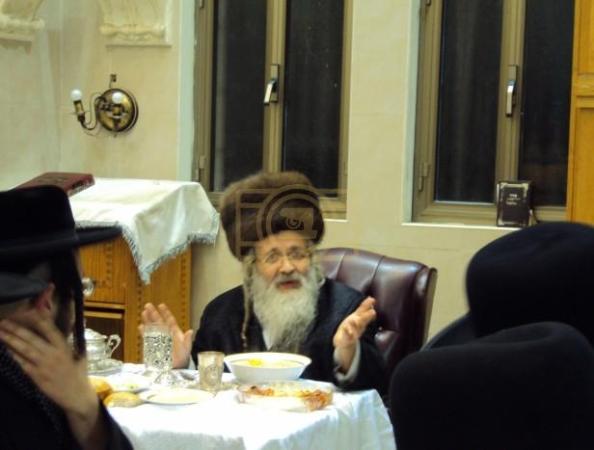
The Rebbe was a father figure to the brokenhearted. His Beis Medrash in the Beis Yisroel neighborhood of Yerushalayim was a magnet for lost souls. With his trademark Yerushalmi warmth and zero fanfare, he provided broad seudos and an open door for anyone facing difficulties.
He had a rare insight into people. With just a glance or a few words, he could articulate exactly what a person was struggling with. There were times he accurately described the nature of a person's father or sister without ever having met them or being told any details. He used his sharp wit and humor to disarm people; once, when someone became overly emotional, the Rebbe smiled and asked if he was a "Galitzianer," noting that they tend to get emotional quickly.
Through his efforts, hundreds—and by some accounts, thousands—of Yidden found their way back to Yiddishkeit, taking on Shabbos and Tefillin. He was especially gifted at bringing sudden, immense simcha to depressed individuals, before gently guiding them toward yiras Shamayim. He also successfully guided countless individuals through the parshah of shidduchim and zivug sheini.
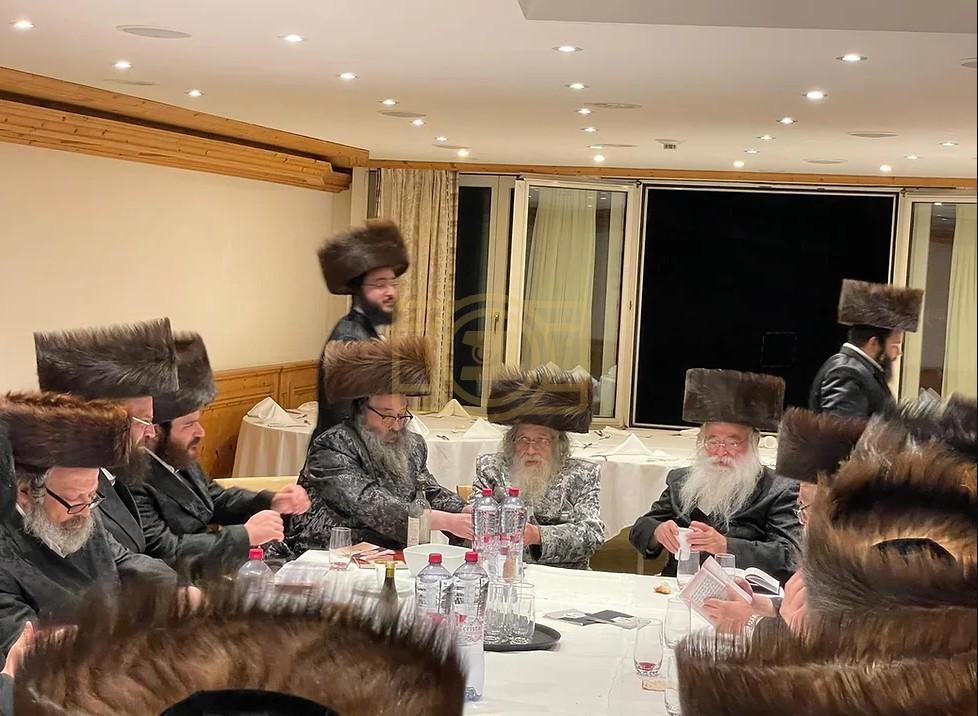
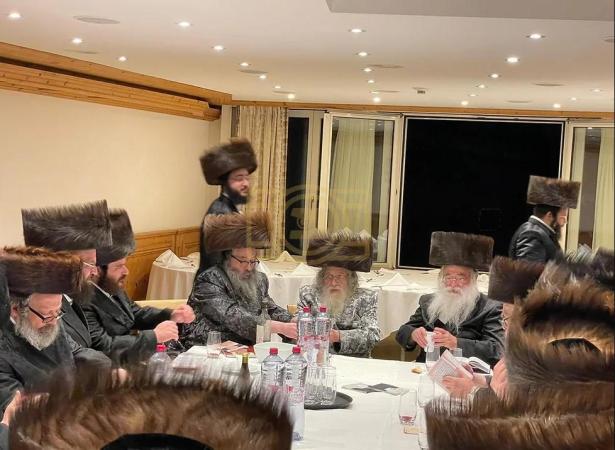
The Rebbe’s Shabbos tish was a world unto itself. He personally baked "crispy challahs" for Shabbos, and the seudos were set with beautiful dishes and real silverware.
Adhering to a minhag based on the Rambam, drinks were not served until after the cholent. (Though the Rebbe himself sometimes drank earlier for health reasons, an abundance of ice-cold drinks would be brought out for the oilam post-cholent). He kept the atmosphere light and heimish, once announcing at the Friday night seudah that the next day's cholent would be special because the flanken came from "Meal Mart."
When his daily medications were brought to him on a silver tray after the seudah, he would take them b'farhesya and playfully ask those around him, "Do you want shirayim?"
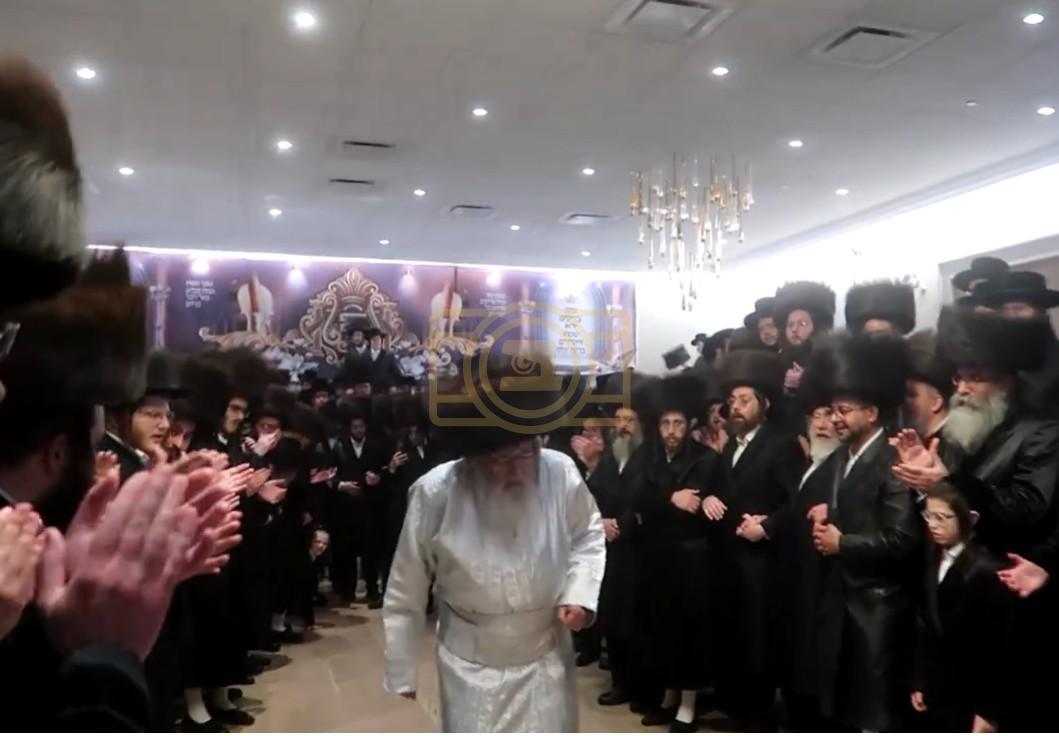
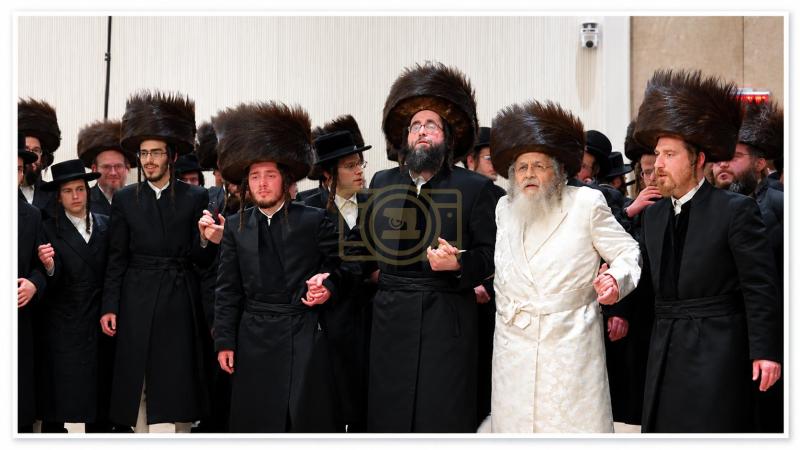
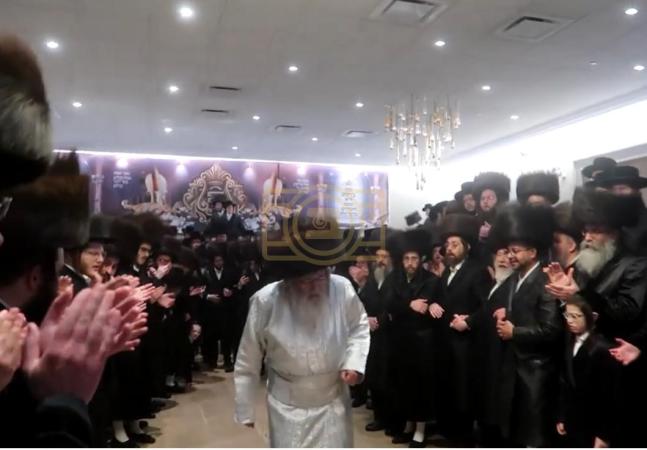
Simcha was paramount. He would instruct his einiklach to dance "kadatchkas" at the seudah and would join in the rikudim himself. If no one started singing "Kol Mekadesh," the Rebbe would simply start it himself. He never stood on ceremony, willingly making himself small and allowing others to joke at his expense, just to bring a smile to another Yid's face.
His heimishkeit was legendary. Erev Shabbos, right after Mincha and before Kabbalas Shabbos, he would sit with the mispallelim, distributing kugel and wine so that no one would enter Shabbos hungry. Yet, alongside this warmth, he had specific hakpados; for instance, if multiple bowls of popcorn were served and someone took a piece directly from one of the serving bowls, the Rebbe would immediately have that specific bowl removed from the table.
The Rebbe’s health began to decline around Shavuos. Despite visiting numerous doctors, the exact cause of his weakness remained elusive. A few weeks before his petirah, his condition deteriorated significantly, and an infection was discovered. Though antibiotics initially brought some improvement, he was hospitalized again after Yom Kippur to receive a feeding tube.
Tragically, on Erev Sukkos, the Rebbe went into septic shock, and his condition rapidly declined. He was niftar at approximately 11:00 AM.
During his lifetime, the Rebbe had expressed a strong desire to be buried as quickly as possible after his passing, even joking that they could bury him in the backyard of the Beis Medrash just to expedite the kevurah. His wish was fulfilled; within less than nine hours of his petirah, it was already le'achar stimas hagolel.
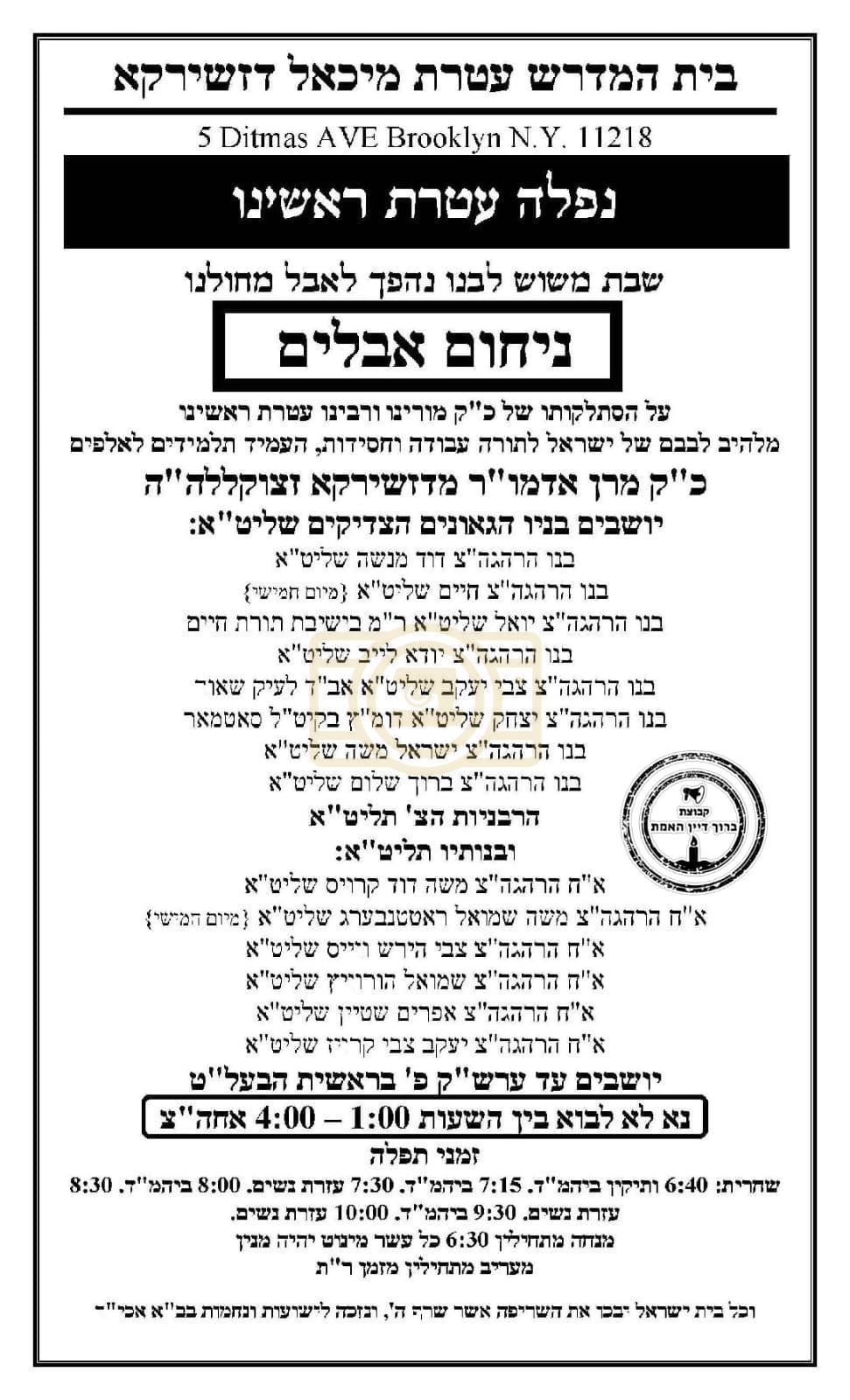
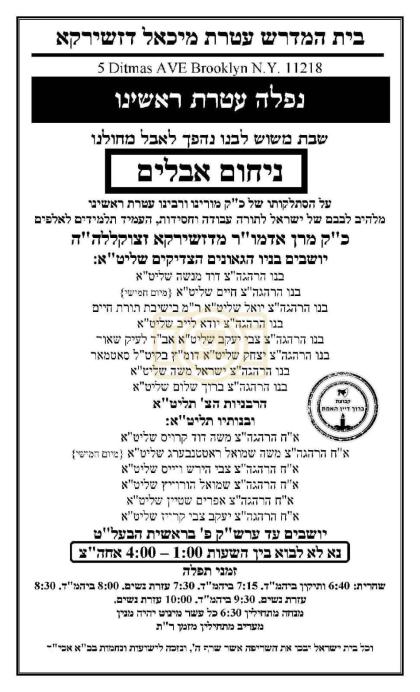
Due to Chol HaMoed, no hespedim were delivered. The levayah departed from Beis Medrash Dzirka at 5 Ditmas Ave, with the kevurah taking place at Har Shalom. Despite it being Chol HaMoed, a massive crowd turned out to escort the Rebbe on his final journey, a testament to the profound impact he had on so many.
The Rebbe had once told his followers, "I don't want you to be sad at a time when it is my simcha."
This spirit carried his kehillah through the difficult Yom Tov. On Simchas Torah, his son Harav Chaim Shlit”a led the hakafos in the packed Yerushalayim Beis Medrash, continuing the Rebbe's legacy of "V'samachta B'chagecha" even amidst their profound grief.
The Dzirka Rebbe ZT”L leaves behind a legacy of Ahavas Yisroel, simcha, and kiruv. He was a rare blend of Torah and pashutus, chassidus and humor, yirah and joy. He could hand out kugel, dance with his grandchildren, and make a person laugh—while simultaneously peering into the depths of their neshamah and setting them back on their feet.
Tehi Nishmaso Tzerurah B'tzror HaChaim.