Iran Claims U.S. Zero Enrichment Demand in Talks.
Gallery
Videos
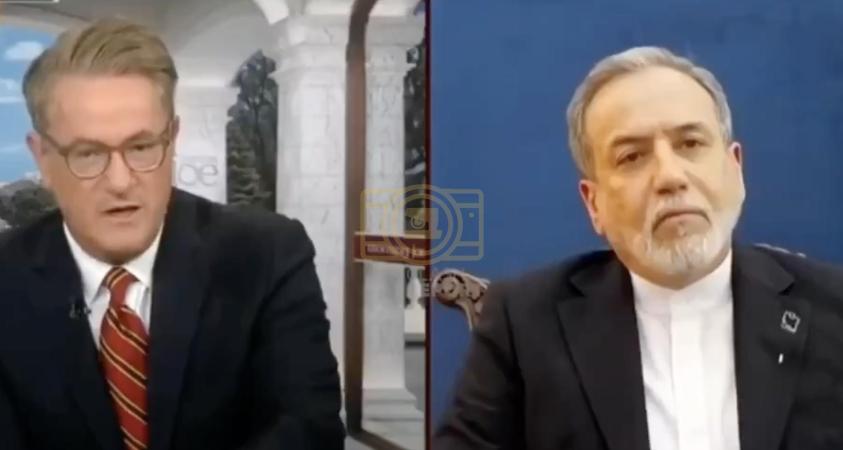
Iranian Foreign Minister Abbas Araghchi stated following the latest round of indirect negotiations in Geneva that the United States did not insist on a “zero enrichment” requirement, a position that had historically been a central demand in earlier phases of nuclear diplomacy. The remark, delivered during a televised interview, has drawn significant attention because it suggests a potential tactical shift in the American negotiating posture at a time when public messaging from President Donald Trump has emphasized the possibility of military action if Iran advances toward weapons capability.
According to Araghchi, the absence of a zero-enrichment demand indicates that Washington may be exploring a framework that permits limited Iranian uranium enrichment under strict monitoring conditions as part of a broader de-escalation strategy. Such an approach would mark a departure from maximalist positions that sought the complete dismantlement of Iran’s domestic enrichment infrastructure. Iranian officials have long argued that enrichment for civilian purposes is a sovereign right under the Nuclear Non-Proliferation Treaty, while Western negotiators have focused on ensuring that any permitted activity remains far below weapons-grade thresholds and is subject to intrusive verification.
The reported flexibility comes amid growing concern over Iran’s current stockpile of uranium enriched to 60 percent purity, a level that significantly shortens the technical breakout time to weapons-grade material. Critics of a limited-enrichment model argue that allowing Tehran to retain enrichment capacity risks normalizing a near-threshold nuclear status and could weaken deterrence. Supporters counter that a verifiable cap combined with stockpile reductions and enhanced inspections may provide a pragmatic pathway to prevent further escalation while maintaining international oversight.
President Trump has publicly maintained a hardline position, warning that the United States will not allow Iran to acquire a nuclear weapon and emphasizing that all options remain on the table. This dual-track posture—publicly signaling strength while negotiators test potential compromise formulas—reflects a familiar pattern in high-stakes diplomacy where leverage is preserved through military readiness even as diplomatic channels remain active.
The discrepancy between Araghchi’s characterization of the talks and Washington’s public messaging underscores the complexity of the negotiation process. Indirect formats, mediated through third parties, often produce differing interpretations of what was proposed, discussed, or merely explored as a hypothetical option. U.S. officials have not formally confirmed any change in core policy, and it remains possible that the zero-enrichment issue was deferred rather than abandoned.
For regional stakeholders, particularly Israel and Gulf states, the question of enrichment levels is not a technical detail but a strategic red line tied to long-term security calculations. Any perception that Iran is being allowed to maintain a scalable nuclear infrastructure is likely to intensify calls for stricter enforcement mechanisms and contingency planning.
As the Geneva channel continues, the central challenge will be reconciling Iran’s demand for recognition of its enrichment program with the United States’ objective of permanently blocking a pathway to nuclear weapons. Whether the emerging signals represent a substantive policy shift or a negotiating maneuver will become clearer as both sides move from exploratory discussions toward concrete proposals and verifiable commitments.