Trump Strikes at Iran, Hits China's Oil Lifeline.
Gallery
Videos
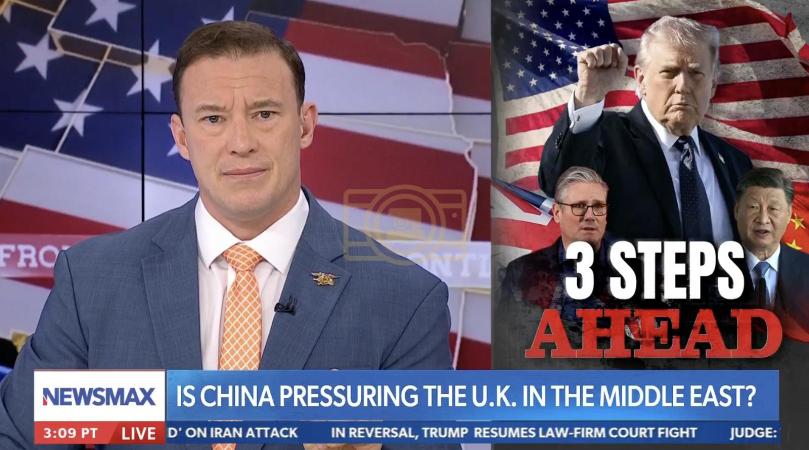
Commentator Carl Higbie highlighted a strategic shift in U.S. geopolitical and economic maneuvering, noting that while global attention remained fixed on Middle East conflict and military operations, the Trump Administration was simultaneously recalibrating global energy and financial dynamics in America’s favor.
According to this view, combined U.S. strikes on Iranian facilities and an aggressive naval posture around Venezuela have disrupted roughly 20 % of China’s oil imports—largely because much of that crude normally transits the Persian Gulf’s Strait of Hormuz, a narrow chokepoint responsible for a significant share of global energy flows. Recent disruptions in and around the strait have caused Asian refiners, including those in China, to cut operations as supplies tighten, illustrating the real economic impact of instability on energy-dependent economies.
This strategic approach also touches upon broader currency and trade dynamics. As Russia, India, and China have pushed for trading oil outside the U.S. dollar system—especially within BRICS economic initiatives—America’s proactive control over key energy routes and insurance markets reinforces the centrality of the petrodollar. By tightening access to discounted crude from sanctions-sensitive producers like Iran and Venezuela, Washington is simultaneously eroding the oil-yuan trade alternative that some emerging economies have championed, limiting incentives to depart from dollar-denominated energy commerce.
Finally, by reducing Iran’s capacity to export crude and tightening the economics of Venezuelan oil shipments, the United States has effectively opened avenues for U.S. energy companies to leverage previously untapped hydrocarbon reserves. With Eastern Mediterranean and Middle Eastern facilities under pressure, American energy firms stand to gain expanded market access and pricing power—strengthening U.S. influence in global energy markets and supporting economic leverage in broader geopolitical competition.
In sum, these intertwined policies reflect a multifaceted effort to weaken China’s energy leverage, bolster American commercial interests, and reinforce the global dollar-based financial order, all while maintaining military pressure on adversarial states. Whether these developments lead to long-term strategic advantages or provoke renewed contestation in global markets will depend on how Beijing, London, and other capitals respond to this rapidly evolving landscape.