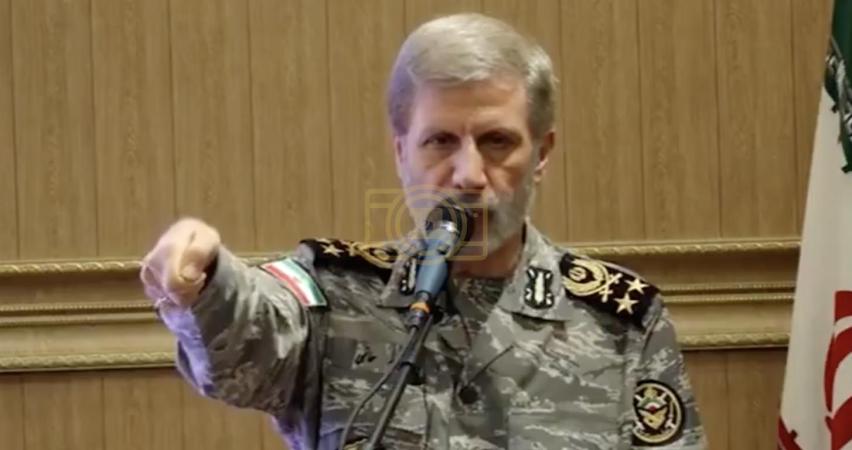
TWENTY GENERATIONS: Iranian Army Commander-in-Chief Major General Amir Hatami Vows to Fight for Generations.
Gallery
Videos
Iranian Army Commander-in-Chief Major General Amir Hatami has issued a striking warning to Iran’s enemies, declaring that the country will not become a “testing ground” for foreign military adventures. Speaking in Mashhad on August 24, Hatami said Iranians would be prepared to fight for as many as 20 generations rather than allow their homeland to be harmed or its future dictated by outside powers. His remarks represent one of the strongest examples yet of Tehran’s post-conflict messaging focused on deterrence, resilience and long-term resistance.
Hatami’s comments come as Iran continues to frame the recent confrontation with the United States and Israel as a defining national struggle. Iranian state media has described the February 28 attacks as strikes that killed Supreme Leader Ayatollah Ali Khamenei, senior military commanders and civilians while damaging military installations and critical infrastructure. Hatami argued that Iran’s adversaries should understand that the country cannot simply be reshaped through military pressure, warning that the Iranian armed forces remain prepared for a wide range of possible scenarios.
The “20 generations” declaration carries a message that extends well beyond the immediate battlefield. Rather than presenting Iran’s defense as a short-term military campaign, Hatami portrayed resistance as a commitment that could continue across generations if necessary. He also emphasized that Iranian forces are monitoring what he described as short-, medium- and long-term plans by their adversaries, suggesting that Tehran expects the confrontation to remain a major security concern even after the latest fighting subsides.
The speech also highlights how Iran’s military leadership is attempting to project strength at a moment of enormous pressure. Hatami said the armed forces were ready to respond to aggression and defend Iran’s independence, territorial integrity and security, while warning enemies that attempts to alter the country’s borders or political future would meet resistance. The imagery of an Iranian nation willing to fight for generations is clearly designed to reinforce deterrence and demonstrate that Tehran does not believe military pressure alone will force it to surrender.
The larger question is whether Hatami’s unusually forceful language signals a permanent shift in Iran’s military posture or is primarily intended to strengthen domestic resolve after the devastating conflict. His warning leaves little doubt that Iran wants potential adversaries to believe any future attack would trigger resistance extending far beyond a single campaign or generation. As tensions remain high and Tehran continues to face military, economic and political pressure, the message from Iran’s army chief is unmistakable: the regime wants its enemies to believe that the cost of another confrontation could stretch far into the future.