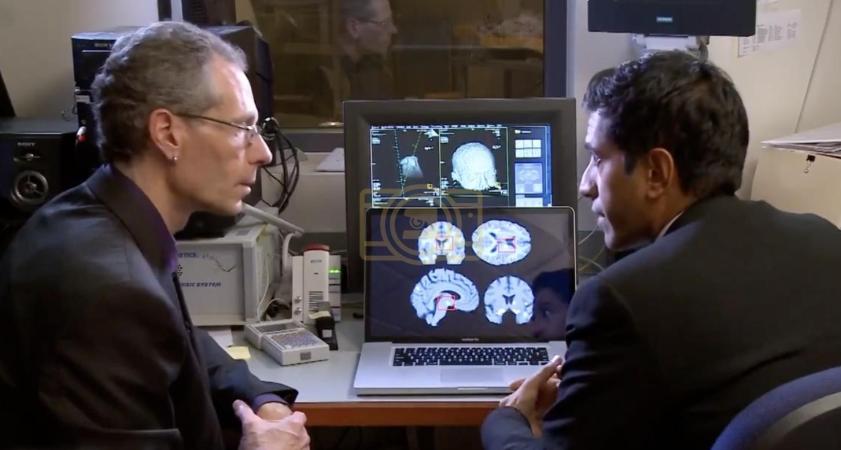
Dr. Gupta Demonstrates Dopamine Surges from Soda Consumption.
Gallery
Videos
Dr. Sanjay Gupta recently participated in a functional MRI (fMRI) study to observe how his brain responds to sugar consumption, specifically after drinking a sugary soda. The experiment aimed to visualize activation in the brain’s reward centers, particularly the striatum, where dopamine surges occur in response to rewarding stimuli. Gupta’s demonstration underscores the neurological effects of sugar, showing patterns strikingly similar to those observed with addictive substances.
This experiment builds on research by neuroscientist Eric Stice, whose 2012 peer-reviewed study in The American Journal of Clinical Nutrition highlighted how frequent consumption of sugary foods, including sodas and desserts like ice cream, can reduce striatal reward sensitivity. Essentially, the more sugar individuals consume, the less they experience a sense of reward from it, prompting increased cravings to achieve the same satisfaction—a mechanism comparable to tolerance seen in drug use. Importantly, Stice’s findings suggest that these effects occur independently of body fat levels, emphasizing a neurological rather than purely metabolic response.
By combining Gupta’s fMRI demonstration with Stice’s research, the findings provide compelling visual and scientific evidence of sugar’s potent influence on the brain. The study sheds light on why high-sugar diets can lead to persistent cravings and overconsumption, reinforcing the importance of moderation and awareness of how certain foods can hijack the brain’s reward pathways. This insight has implications for public health messaging, nutritional guidance, and strategies aimed at reducing sugar-related health risks.