PEACE THROUGH STRENGTH: Rubio Explains Why Trump Struck Iran Over Hormuz Threats
Gallery
Videos
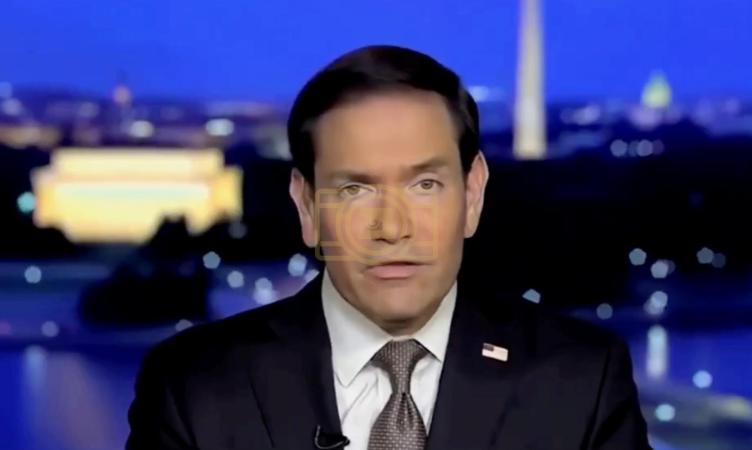
Secretary of State Marco Rubio appeared on Hannity and reminded viewers exactly why President Trump ordered major strikes against Iran in 2026. Rubio stressed the long-standing American principle of peace through strength while pointing to the critical need to defend the Strait of Hormuz and keep oil flowing without interruption. He described the waterway as a vital artery for global energy supplies that Iran had threatened through attacks on commercial shipping. The secretary made clear that the United States will not allow any nation to choke off international navigation or hold the world’s oil markets hostage. Rubio tied the 2026 military action directly to Iran’s earlier assaults on tankers and its continued push toward nuclear weapons. He said the strikes targeted nuclear sites and military assets in order to stop weapons development and degrade Iran’s ability to attack again. The remarks framed the entire episode as a necessary response rather than an optional confrontation.
Rubio’s comments aligned the current policy with the Trump administration’s broader approach of confronting Iranian aggression head-on. He emphasized that freedom of navigation in the Strait of Hormuz remains a core U.S. interest that benefits every nation relying on stable energy markets. By walking through the sequence of Iranian attacks followed by American strikes, Rubio sought to show that the decision was driven by concrete threats rather than abstract ideology. The secretary portrayed the operations as a clear signal that the United States will protect shipping lanes and prevent nuclear breakout. Viewers heard a consistent message that strength deters further escalation while weakness invites more disruption. Rubio’s appearance reinforced the administration’s claim that decisive action in 2026 has left Iran less capable and the critical waterway more secure. The discussion left little doubt that the policy of meeting threats with force remains central to how Washington is handling ongoing tensions with Tehran.