UTJ Figures Consider Supporting Eisenkot-Led Government as Alliance With Netanyahu Faces Uncertainty

Gallery
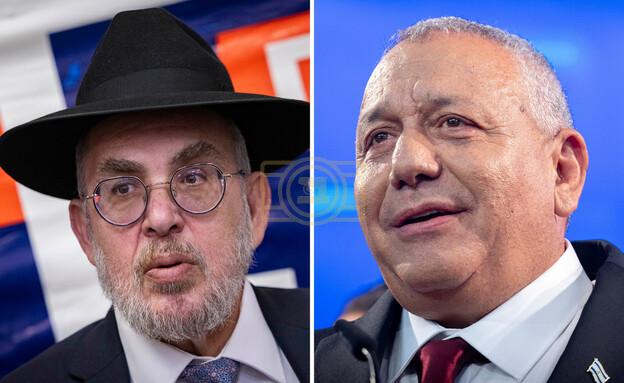
Senior figures within United Torah Judaism (UTJ) are reportedly considering a major shift in their political strategy, exploring the possibility of allowing a minority government led by Gadi Eisenkot to take office without formally joining his coalition.
According to a report by Channel 12 on Thursday, October 29, the proposal would involve UTJ remaining outside the government while abstaining from key Knesset votes, potentially enabling Eisenkot to establish a government despite lacking a traditional coalition majority.
The discussions come amid growing frustration within the Chareidi party over Prime Minister Benjamin Netanyahu's failure to resolve the longstanding military draft issue and secure legislation protecting the status of yeshiva bochurim.
One senior UTJ official reportedly declared that the party's longstanding political partnership with Netanyahu had reached its end, arguing that continued loyalty would offer little benefit if Netanyahu could not assemble a governing majority.
The possibility of a broad unity government has also raised concerns within UTJ that the party could lose its political influence and remain outside the decision-making process.
The reported discussions represent a potentially significant development following the October 27 elections, which left neither Netanyahu's bloc nor the opposition with a clear parliamentary majority.
For UTJ, the central priorities remain securing an acceptable arrangement regarding military service for yeshiva students and protecting government support for yeshivos, kollelim, and other Chareidi educational institutions.
However, substantial differences remain between UTJ and Eisenkot's political camp, particularly regarding military enlistment requirements. Any potential cooperation would likely depend on whether an arrangement acceptable to the Chareidi party and its rabbinical leadership could be reached.
UTJ officials have previously emphasized that the party's decisions would be guided by the interests of the Torah community rather than automatic loyalty to either political bloc.
For now, the reported contacts remain preliminary, and no formal agreement has been announced. It is also unclear whether the proposal has been officially presented to Eisenkot or whether his Yashar party would accept such an arrangement.
The developments could nevertheless reshape coalition negotiations as Israel's political parties seek a way out of the parliamentary deadlock.