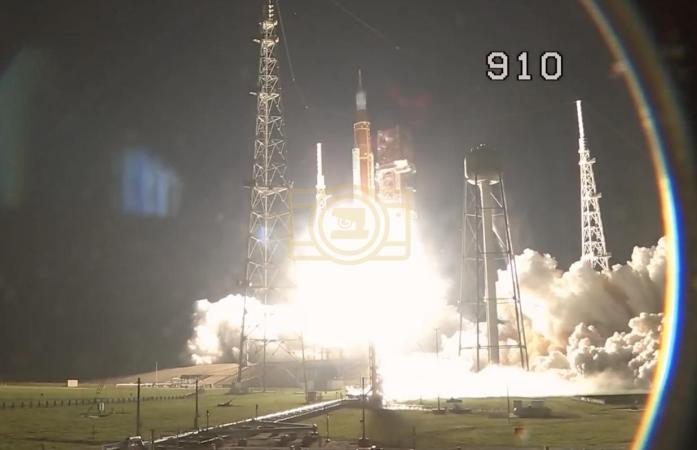
NASA Revises Artemis Timeline to Deliver Trump Space Agenda.

Gallery
Videos
NASA Administrator Jared Isaacman announced a significant update to the Artemis lunar program, confirming that Artemis III will now launch in 2027 as a low-Earth orbit test mission rather than a landing. The revised schedule is part of a broader effort to accelerate lunar exploration, including two lunar landings in 2028 and a faster launch cadence that advances from every three years to every ten months, aligning with President Trump’s strategic space agenda.
The 2027 Artemis III mission will primarily focus on testing critical technologies, including SpaceX and Blue Origin landers, life support systems, and next-generation spacesuits. By shifting the landing to Artemis IV in 2028, NASA aims to ensure that the lunar infrastructure is fully validated before crewed lunar surface operations begin. The 2028 schedule is ambitious, targeting at least three landings within that year and establishing a foundation for annual lunar missions thereafter.
These changes reflect a commitment to operational efficiency, technological reliability, and strategic foresight. By emphasizing repeated, frequent missions, NASA can refine its lunar operations, enhance astronaut safety, and prepare for deeper space exploration objectives, including Mars. The accelerated schedule also ensures that U.S. commercial partners play an integral role in the Artemis program, demonstrating a collaborative model between government and private industry.