U.S. Oil Majors Eye Venezuela After Trump-Driven Policy Change.
Gallery
Videos
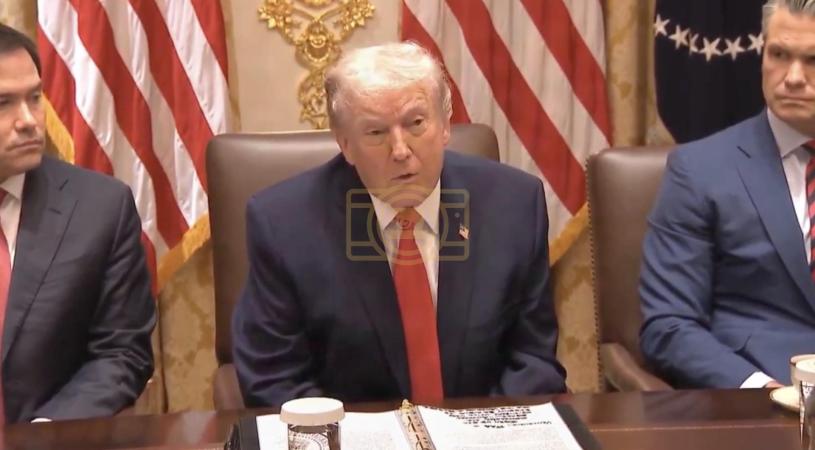
President Donald Trump announced a significant shift in U.S. energy and foreign policy on January 29, 2026, revealing that major American oil companies are scouting sites in Venezuela for potential investment and production opportunities. Trump framed the development as a mutually beneficial breakthrough that could generate “tremendous wealth for Venezuela and for the United States,” reflecting the broader diplomatic and economic realignments between Washington and Caracas following recent policy changes.
The announcement comes as U.S. sanctions on Venezuela’s oil industry are being eased, alongside landmark reforms passed by Venezuelan lawmakers that open the country’s long‑state‑controlled oil sector to foreign and private capital. The reforms allow private companies to take full management risks and entrench protections like independent arbitration and a capped royalty rate—steps aimed at restoring investor confidence in a country with the world’s largest proven oil reserves.
Under new U.S. Treasury general licences, American firms are now authorized to engage in a wide range of activities involving Venezuelan crude, including export, refining, supply, storage, and transportation. This marks a notable departure from the strict sanctions regime that had severely constrained Venezuela’s oil industry for years and limited U.S. involvement.
Chevron, the only U.S. oil major still operating in Venezuela under a sanctions exemption, has already begun expanding its crude exports to the United States and is positioned to further increase production. Other firms, including Valero Energy, have purchased Venezuelan crude and are reintegrating it into their refining supply chains in Texas and along the Gulf Coast.
Despite the apparent momentum, investment from other U.S. energy giants has been cautious. Executives have signaled that full engagement will depend on clear legal protections and political stability that minimize risks of asset seizures or disputes—a concern rooted in past nationalizations of foreign oil assets. Analysts and industry executives have noted that companies like ExxonMobil and ConocoPhillips remain hesitant to commit major capital without additional assurances.
The Trump administration’s policy push dovetails with Venezuela’s overhaul of its hydrocarbon law, dismantling decades of strict state monopoly control and aligning with U.S. goals of expanding market access. The combination of American diplomatic pressure, Venezuelan legislative reform, and newly eased sanctions creates a climate that could pave the way for historic levels of U.S. investment in Venezuela’s energy sector.
For President Trump, the opening of Venezuelan oil to U.S. energy firms serves both economic and strategic purposes: it promises to boost domestic energy companies, strengthen bilateral ties, and integrate Venezuela’s vast oil reserves into global markets under a framework that benefits both nations.