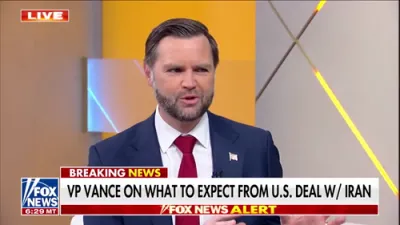
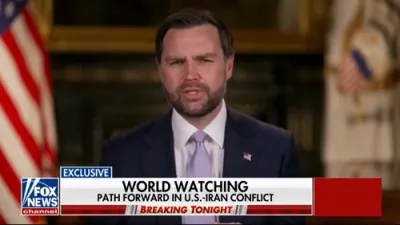
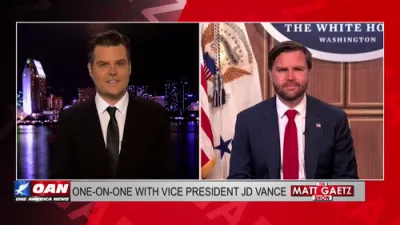
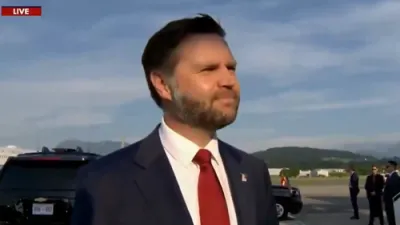
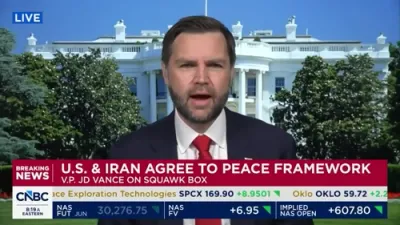
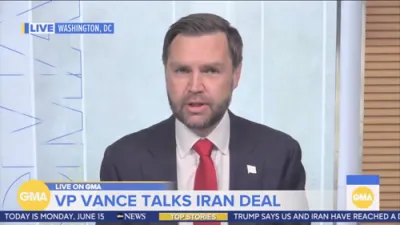
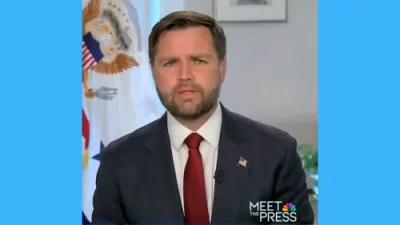
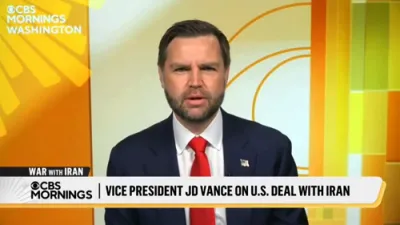
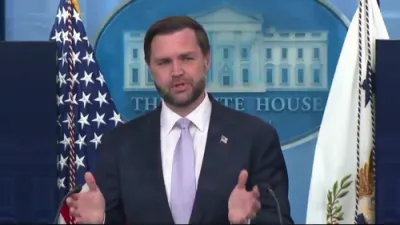
UPDATE: Vance Stands Firm that US Rejects Iran's List of Extreme Hormuz Conditions.
Iran Issues Outrageous Demands: Regime Holds Strait of Hormuz Hostage
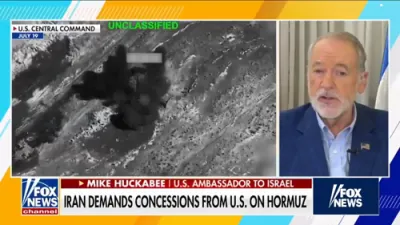
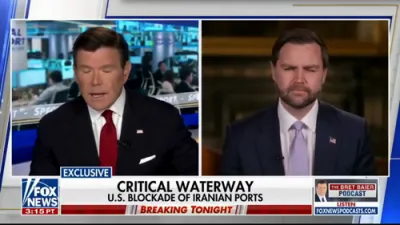
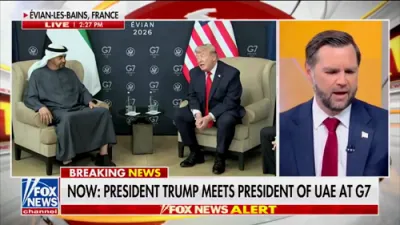
Iran’s Supreme National Security Council has issued a sweeping new list of demands as a condition for fully reopening the strategically vital Strait of Hormuz. The demands, outlined on August 8, 2026, include an end to all U.S. threats and attacks on Iran and its regional allies, the lifting of the naval blockade and sanctions, the complete withdrawal of American forces from the area, payment of war reparations, and the unconditional release of frozen Iranian assets. Fox News chief foreign correspondent Trey Yingst reported from Tel Aviv on the latest developments in the tense U.S.-Iran standoff over the critical waterway.
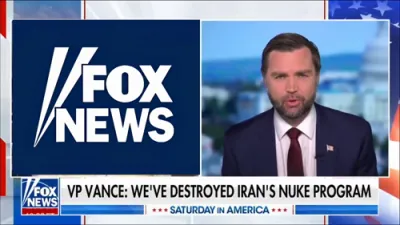
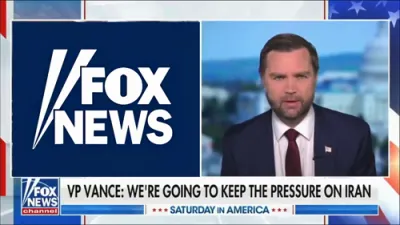
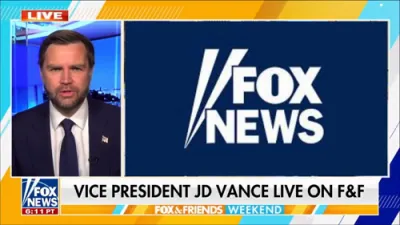
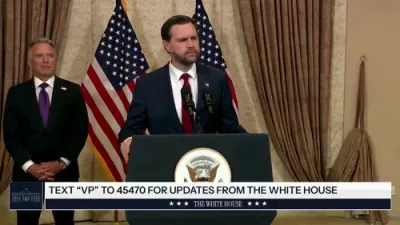
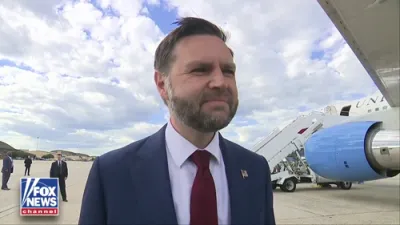
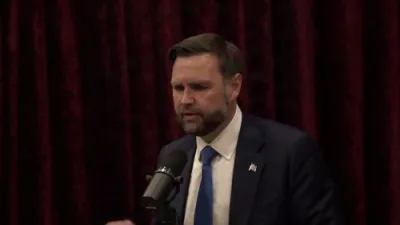
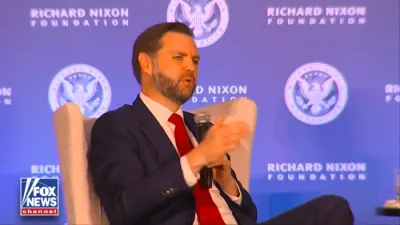
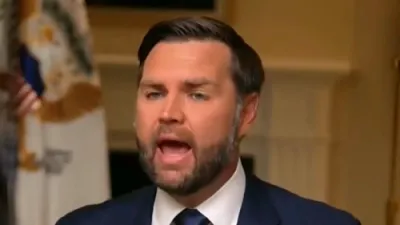
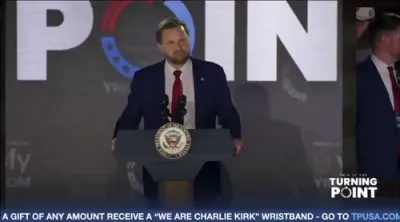
U.S. Central Command has been actively managing the disruptions by redirecting dozens of commercial vessels and facilitating humanitarian shipping through the region. Rather than yielding to Tehran’s maximalist conditions, American officials have made clear that pressure on the Iranian regime will continue. Vice President JD Vance has emphasized that the United States will maintain its firm stance, prioritizing the free flow of energy and regional security over any concessions that would reward Iran’s aggression.
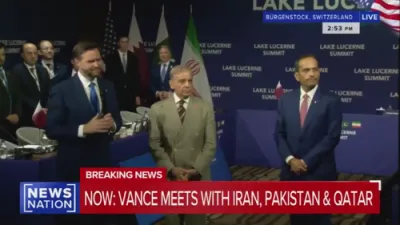
The demands represent a significant escalation in Iran’s position and go far beyond previous frameworks discussed in regional talks involving Oman. By tying the reopening of one of the world’s most important energy chokepoints to a broad list of political, military, and financial concessions, Tehran is attempting to extract maximum leverage while continuing to threaten global commerce. The move underscores the regime’s ongoing hostility toward the United States and its allies, including Israel, and its willingness to use maritime disruption as a tool of coercion.
As negotiations remain stalled, the Trump administration’s approach of sustained pressure rather than appeasement stands in sharp contrast to Iran’s hardline posture. The situation continues to test international resolve to keep the Strait of Hormuz open and to prevent the Iranian regime from dictating terms that would undermine American interests and regional stability. Officials are monitoring developments closely while ensuring that commercial and humanitarian traffic receives necessary support.