CRAZY ATTACK: Eviction Turns Explosive as Man Ignites Aerosol Can at Police
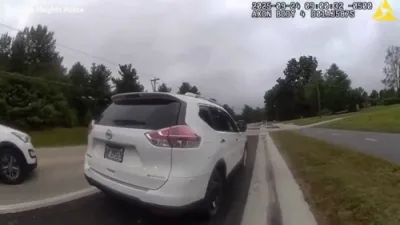
Dramatic bodycam footage from August 11, 2026, captures the moment an Oklahoma City man turned a routine eviction into a dangerous confrontation with police. Oklahoma County deputies forced their way into the cluttered apartment of 61-year-old Darron Dunn while serving an eviction notice, only to face an unexpected attack. Dunn had barricaded the door and responded by igniting an aerosol can with a lighter, directing a bright orange fireball toward the officers. The makeshift flamethrower produced a jet of flame that stretched roughly 15 feet across the doorway. A “no smoking” sign hung clearly on the apartment door as the fireball erupted.
The deputies immediately retreated after the sudden blast of fire, prioritizing their safety in the confined and debris-filled space. Bodycam video shows the intense orange glow and the rapid reaction of the officers as they pulled back from the entrance. Dunn’s use of the aerosol can and lighter created a weapon capable of serious burns at close range. The cluttered condition of the apartment added to the hazard, limiting the deputies’ ability to move or respond quickly. What began as a standard civil process escalated within seconds into a life-threatening encounter.
After securing the scene from a safe distance, officers discovered a more serious threat inside the apartment. A car battery had been wired to several taped aerosol cans, forming what appeared to be an improvised explosive device. The discovery prompted an immediate evacuation of the surrounding area and the call-out of the bomb squad. Specialists carefully examined and neutralized the device to eliminate the risk of further explosion or fire. The presence of both the flamethrower attack and the wired cans revealed a level of preparation that went far beyond simple resistance to eviction.
Dunn was arrested once the scene was under control and now faces multiple serious charges. Prosecutors have filed counts including assault with a deadly weapon and possession of explosives. The combination of the active flame attack and the discovered device elevated the case from a housing dispute to a criminal investigation involving potential bombs. Investigators continue to examine the apartment for additional hazards and to document the full extent of Dunn’s actions that day. The bodycam footage is expected to play a central role in the legal proceedings.
The incident underscores the unpredictable dangers law enforcement can encounter even during seemingly ordinary civil duties such as serving eviction notices. A single individual with household items and basic wiring managed to create both an immediate fire threat and a potential bomb. The rapid retreat by the deputies and the subsequent bomb-squad response prevented what could have been far worse injuries or property damage. Residents in the building were temporarily displaced while the device was rendered safe. The event has drawn attention to the risks officers face when entering unknown and barricaded residences.
As the case moves forward, questions remain about Dunn’s intentions and how long the improvised devices had been prepared. The clear “no smoking” sign on the door stands in ironic contrast to the fireball that erupted moments after entry. Bodycam video has made the entire sequence visible to the public, showing both the suddenness of the attack and the measured response that followed. For now, the focus stays on the charges against the 61-year-old and the thorough documentation of every item recovered from the cluttered apartment. The footage serves as a stark reminder that even routine calls can turn explosive without warning.