RAW FOOTAGE RELEASED: Israel Police Say Stone-Throwing Came Before Shooting
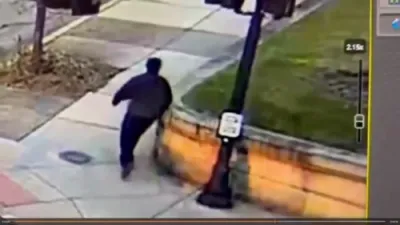
Israel Police have released additional seconds of footage from the tense confrontation at Qalandiya, seconds that were missing from the widely circulated video showing a Palestinian man being shot by Israeli forces. The newly surfaced clip reportedly captures the man throwing stones at security personnel during the evacuation of the UNRWA compound, just moments before he was shot. Police say this footage was left out of the original video that spread across social media and news outlets, and that its absence created a misleading impression of what actually happened on the ground. By releasing the extended clip, authorities are attempting to reshape the public narrative around an incident that has already drawn intense scrutiny.
The shooting took place amid a broader and highly charged operation, as Israeli forces moved to evacuate and seize the UNRWA training compound in the Qalandiya area, part of a wider campaign by Israeli authorities to shut down the UN agency's facilities in and around Jerusalem. A video filmed during the raid shows Israeli military firing live ammunition at a group of Palestinian teenagers, of whom one was fatally shot. The operation drew heavy criticism from UNRWA officials and international observers, who condemned the forced entry and expulsion of agency staff as a violation of United Nations premises. Against that backdrop, the newly released footage of stones being thrown adds a layer of complexity to an already fraught and closely watched confrontation.
This is not the first time footage from a West Bank shooting has become the center of a dispute over context and framing. In past incidents at the same Qalandiya checkpoint, videos have circulated showing young Palestinians throwing stones just before being shot, only for human rights groups to later argue that the response was disproportionate or that the shooting occurred after the immediate threat had passed. Israeli authorities have historically pointed to stone-throwing as justification for the use of force, while rights organizations have often countered that additional context, such as distance, timing, and whether the person was fleeing, tells a different story. The release of this omitted footage fits into that same recurring pattern, where competing versions of events shape public perception long before any formal investigation concludes.
What happens next will likely depend on how thoroughly independent observers, journalists, and human rights groups scrutinize the newly released seconds alongside the original clip. Questions remain about the exact timing between the stone-throwing and the shooting, the distance involved, and whether the response was proportionate to the threat described by police. For now, Israeli Police are standing by their account that the added footage provides essential context that was unfairly stripped from the story as it first went viral. The incident is expected to remain a flashpoint in the ongoing tensions surrounding Israeli operations against UNRWA facilities in East Jerusalem and the wider West Bank.