WAR OF WORDS ERUPTS: Erdoğan Brands Israel "Addicted to War," Sparks Fury
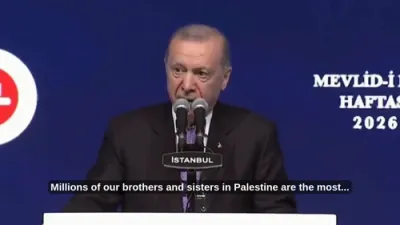
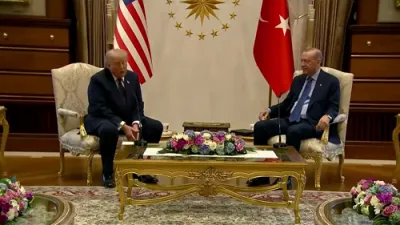
Turkish President Recep Tayyip Erdoğan launched a sharp verbal attack against Israel during a speech marking Istanbul's Mevlid-i Nebi Week on August 28, accusing the current Israeli government of being addicted to war and deliberately working to destabilize the wider region. He argued that Israeli leadership was pursuing every kind of provocation to spread instability, framing the country's actions not as isolated policy decisions but as part of a broader, deliberate strategy. Erdoğan went further than his typical criticism of specific Israeli policies, instead directly targeting Zionism itself, describing it as an extremist, occupying, and murderous ideology. He argued that this ideology posed a threat not only to Israel's immediate neighbors, but to anyone working to defend regional peace and shared humanitarian values.
This ideological framing marks a notable shift in tone from Erdoğan's previous criticisms, which have historically focused more narrowly on specific military operations or policy decisions tied to the Gaza conflict. By characterizing Zionism broadly rather than critiquing individual Israeli actions, Erdoğan appears to be elevating the rhetoric to a more fundamental, civilizational level. In the same speech, he pointed to ongoing instability across Gaza, Lebanon, and the broader Middle East as evidence of what he described as Israel's destabilizing influence throughout the region. He specifically urged Muslim-majority nations to set aside internal disputes and strengthen alliances, framing regional unity as the most effective response to what he portrayed as an escalating security threat.
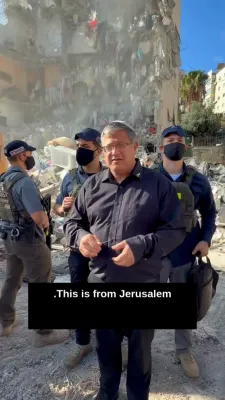
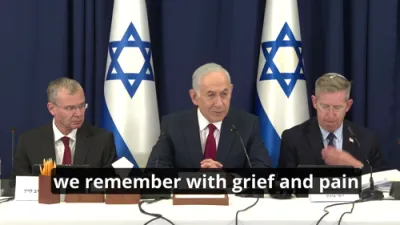
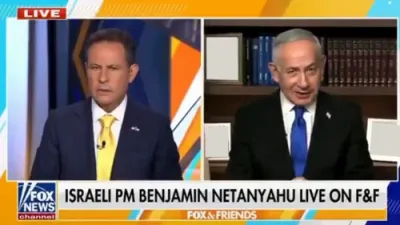
The remarks did not go unanswered. Israeli officials swiftly condemned Erdoğan's comments, accusing him of incitement and antisemitic rhetoric rather than legitimate political criticism, further intensifying an already tense relationship between Ankara and Jerusalem. This exchange adds to a long pattern of public sparring between the two leaders, with Erdoğan previously calling Israel a terror state and accusing its government of committing genocide, while Israeli officials have in turn accused him of aligning rhetorically with authoritarian figures. The latest escalation comes amid heightened tensions tied to developments in Syria, suggesting that the dispute extends beyond Gaza alone into a broader regional rivalry between the two governments.
Whether Erdoğan's ideological framing signals a lasting shift in Turkey's approach toward Israel, or simply reflects an intensifying moment in an already volatile relationship, remains to be seen. What is clear is that his rhetoric carries real diplomatic weight, given Turkey's influence among Muslim-majority nations and its historically complex relationship with Israel. As both sides continue trading public accusations, the risk of further diplomatic fallout, and potentially broader regional consequences, appears to be growing rather than easing. For now, the war of words between Ankara and Jerusalem shows no sign of slowing down.