AMERICAS COUNTER-CARTEL COALITION MOBILIZES: 19 Nations Unite Against Narco-Terrorist Networks
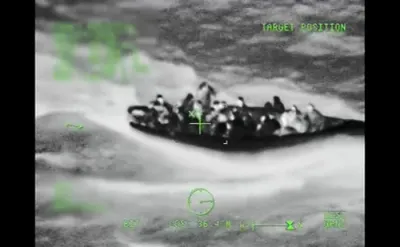
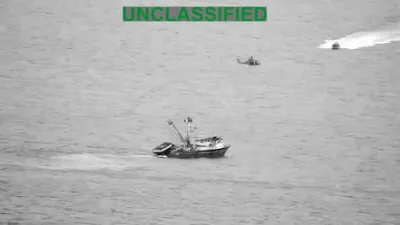
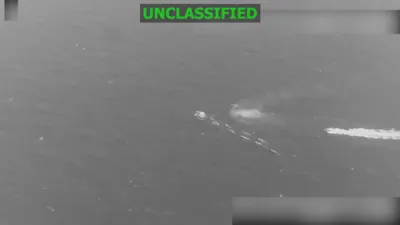
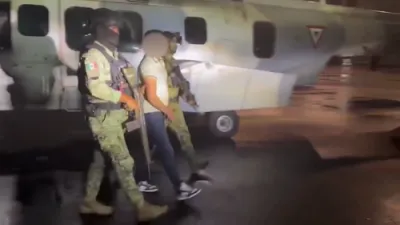
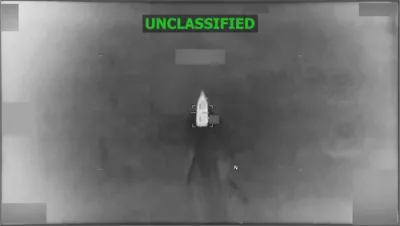
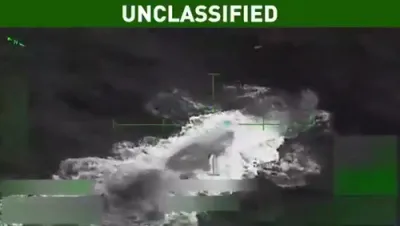
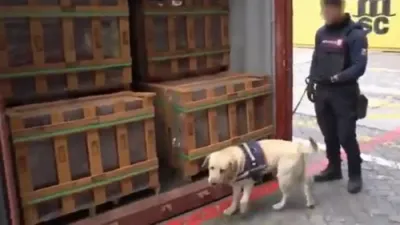
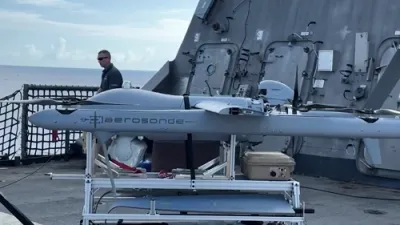
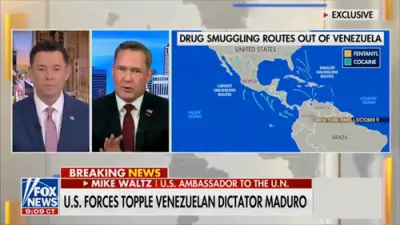
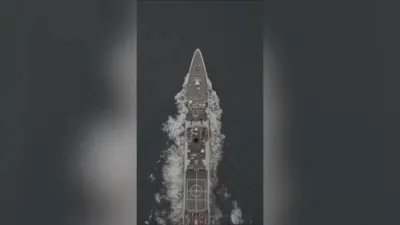
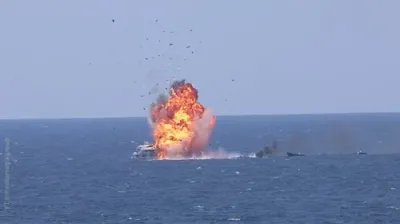
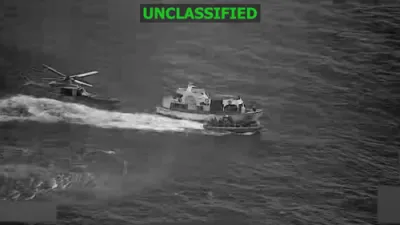
The United States and 18 partner nations are coordinating efforts through the Americas Counter Cartel Coalition (A3C), a multinational security initiative designed to dismantle powerful drug cartels and narco-terrorist networks across the Western Hemisphere. Launched in March 2026, the coalition brings together military and security leaders from 19 countries to strengthen intelligence sharing, coordinate operations and disrupt the criminal organizations threatening regional stability. Video footage released in connection with the initiative shows joint forces conducting jungle patrols, inspecting seized drug shipments, documenting large quantities of confiscated narcotics and destroying suspected cartel infrastructure. Other sequences depict aerial operations against vessels allegedly connected to criminal networks, highlighting the coalition's focus on maritime as well as land-based threats. The initiative is designed to move beyond isolated drug seizures by targeting the financial systems, transportation networks, logistics and corruption that allow criminal organizations to operate. U.S. Southern Command has described the coalition as a coordinated effort to protect national sovereignty, secure borders and strengthen the security of countries throughout the Americas.
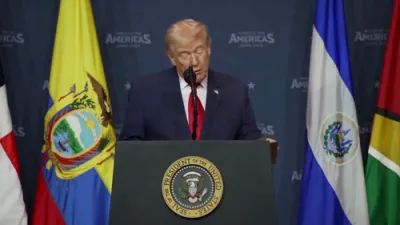
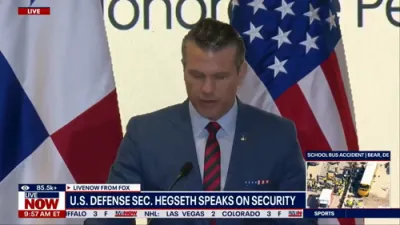
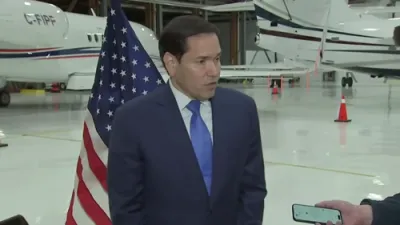
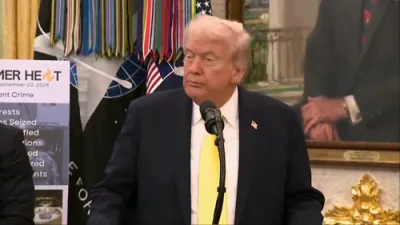
The coalition's operational development advanced through meetings in Panama City in August and a major hemispheric security conference in Santo Domingo, Dominican Republic, on October 26–27. During the latest meeting, defense ministers and senior security officials reviewed a proposed military campaign plan and governance charter intended to establish operational priorities, responsibilities and coordination procedures among the 19 participating nations. U.S. officials said the partnership would combine intelligence capabilities and military resources to identify and disrupt criminal networks, including the financial and logistical structures supporting their activities. The coalition also aims to protect critical infrastructure and strengthen cooperation against organizations involved in drug trafficking, violence, corruption and other transnational crimes. Its approach reflects a broader U.S.-backed effort to increase regional responsibility for confronting security threats while respecting the sovereignty and legal frameworks of participating countries. As the A3C moves toward coordinated operations, its effectiveness will depend on whether participating governments can translate their commitments into sustained action against the criminal networks operating across the hemisphere.