PRODUCTION SURGE: Vance Declares Venezuelan Oil Output Already Rising Fast
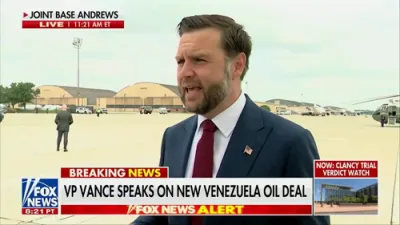
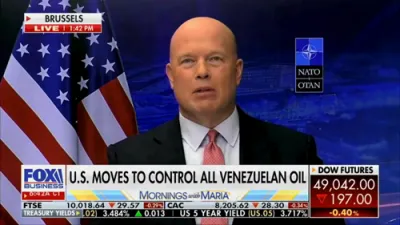
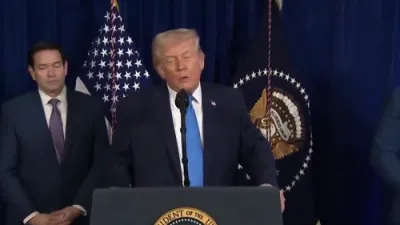
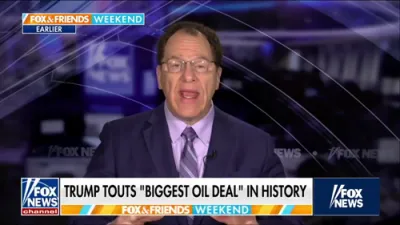
Vice President JD Vance stated that the United States is already seeing a significant increase in oil production from Venezuela. Speaking at Joint Base Andrews, Vance pushed back against questions focused only on future gains and insisted the rise is happening now. He said it is a mistake to ask when increased production will appear because the growth is already visible. The comments came in the context of a new oil deal tied to current administration policies. Fox News footage captured Vance delivering the remarks clearly and directly.
Vance framed the production increase as an early result of the Trump administration’s approach to Venezuela. He pointed to measurable output gains rather than projections or promises still to come. The vice president’s insistence on present-day results aimed to shift the conversation from speculation to current data. By emphasizing that barrels are already flowing at higher levels, he sought to underscore the tangible effects of recent policy changes. The setting at Joint Base Andrews gave the statement an official and high-profile backdrop.
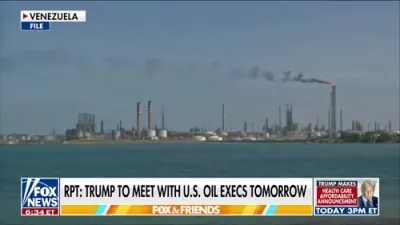
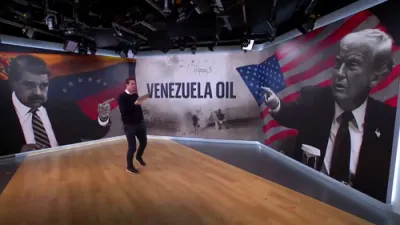
Venezuelan oil output has climbed to more than 1.2 million barrels per day in 2026, reaching its highest level since 2019. This recovery follows the post-Maduro regime change and the easing of certain U.S. sanctions. American companies, including Chevron, have stepped up investments with the goal of driving another 50 percent increase by 2028. The combination of political transition, sanctions relief, and fresh capital has created conditions for the current upswing. Officials present these figures as evidence that the sector is responding to the new environment.
The rise in production carries implications for global energy markets and U.S. policy goals. Higher Venezuelan output adds supply at a time when energy security remains a central concern. Vance’s remarks position the increase as validation of the administration’s strategy rather than a distant hope. Supporters of the approach see the numbers as proof that targeted engagement and sanctions adjustments can unlock resources quickly. The 1.2 million barrel mark serves as a concrete benchmark against the lower levels of previous years.
Further growth will depend on continued investment and stable operating conditions inside Venezuela. Companies already active in the country are planning additional projects aimed at the 50 percent expansion target by 2028. The new oil deal referenced by Vance appears designed to support that trajectory by clarifying terms for producers. Steady progress on these fronts would extend the gains already recorded in 2026. For now, the vice president’s message remains focused on the increases that have already materialized.
Vance’s comments at Joint Base Andrews place the emphasis on results that can be measured today. By rejecting the premise of delayed benefits, he cast the current production rise as an accomplished fact. The combination of higher output figures, sanctions relief, and renewed commercial interest forms the foundation of that claim. As more data becomes available, the scale and durability of the increase will face closer scrutiny. At present, the vice president’s assessment stands as a clear declaration that Venezuelan oil production is moving upward.