AI DIPLOMACY: Lutnick Urges World to Buy American at G20 Summit
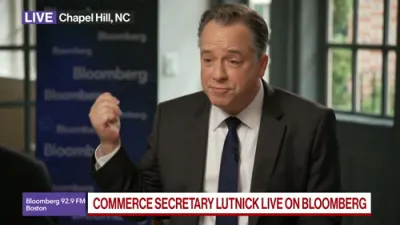
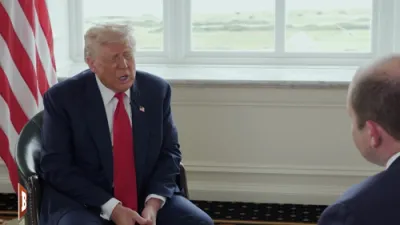
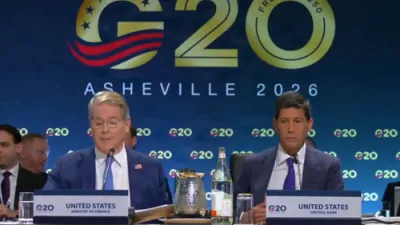
Commerce Secretary Howard Lutnick used a high-profile stage this week to make an unapologetic pitch for American technology, telling other nations they should be running their systems on U.S.-made artificial intelligence. Speaking with Bloomberg's Joe Mathieu at the G20 Innovation Ministerial in Chapel Hill, North Carolina, Lutnick framed American AI dominance not just as a business advantage but as something the rest of the world should actively want to plug into. The interview, part of a two-day summit that drew tech leaders and trade ministers from across the globe, positioned Lutnick as the administration's chief salesman for U.S. innovation on the world stage. His message was direct: American AI isn't just ahead, it's the standard other countries should be building around.
Lutnick didn't stop at encouragement. He also used the moment to confirm that new tariffs on imported semiconductors are on the way, adding weight to months of speculation about how the administration plans to reshape global chip supply chains. Companies that commit to building manufacturing facilities inside the United States, he explained, will be able to avoid the tariffs entirely, while those that continue relying on foreign production should expect to pay. It's a carrot-and-stick approach designed to pull chipmaking capacity back onto American soil, and it lands at a moment when firms like Nvidia, AMD, TSMC, and Intel are all watching closely for how the details shake out. Lutnick offered no exact tariff rate or timeline beyond signaling that the policy is coming soon.
The two threads of his interview, AI leadership abroad and semiconductor protectionism at home, aren't really separate stories. They're two sides of the same strategy: convince the world to run on American AI while making sure the chips powering that AI are increasingly built in American factories. Lutnick reinforced this connection elsewhere at the summit, describing the U.S.-China AI relationship in blunt terms, calling American models the "teacher" that Chinese systems are learning from, and arguing that gap needs to be maintained and widened. That framing turns AI policy into something bigger than trade, positioning it as a race the U.S. intends to keep winning on every front, from software to the silicon underneath it.
The summit itself underscored just how central this moment is to the administration's tech agenda. Chapel Hill played host to a parade of major industry figures over two days, including appearances and conversations involving leaders from Nvidia, OpenAI, Anthropic, and Palantir, alongside government ministers from G20 nations. Lutnick, working alongside White House science and technology officials, used the platform to project confidence that the U.S. can keep other countries dependent on American AI infrastructure even as it tightens the screws on foreign chip imports. Whether other nations embrace that vision or push back against it, one thing is now clear: the administration is treating AI leadership and semiconductor policy as a single, intertwined effort to lock in American advantage for years to come.