"NO FOREVER ENEMIES": Kushner's Blunt Diplomacy Doctrine on Display in Kyiv
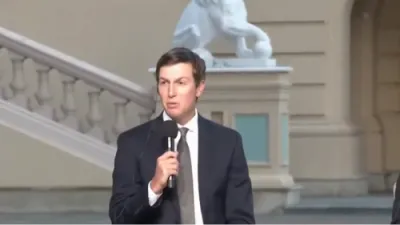
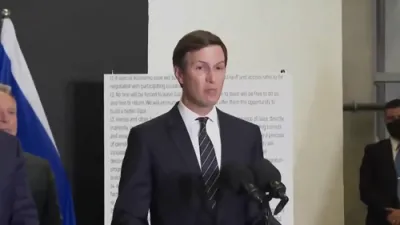
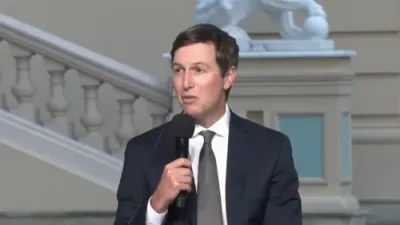
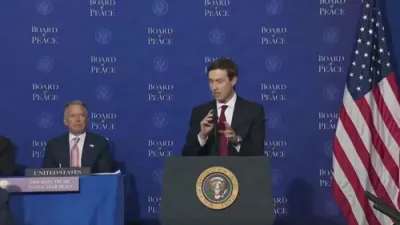
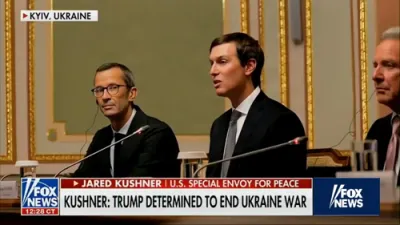
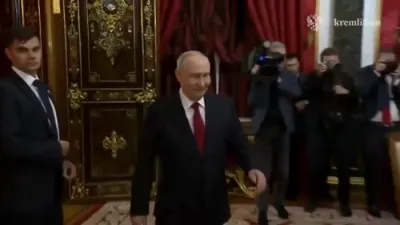
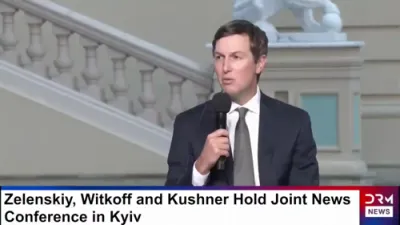
Speaking at a joint news conference in Kyiv alongside Ukrainian President Volodymyr Zelenskyy and fellow U.S. envoy Steve Witkoff, Jared Kushner offered a window into the philosophy guiding his approach to some of the world's most difficult conflicts, stating plainly, "There is no such thing in the world as forever enemies or forever allies." The remark came during the pair's first visit to Ukraine, arriving directly from Moscow after holding talks the previous day with Russian President Vladimir Putin as part of renewed U.S. efforts to broker an end to the war between Russia and Ukraine. The visit followed months of anticipation, stemming from a July meeting between Zelenskyy and President Trump in Washington, where the two leaders discussed reviving stalled diplomacy with Moscow.
Kushner's comment reflects an approach he has applied across multiple conflict zones during his time as a senior Trump administration envoy, treating alliances and rivalries as fluid rather than fixed, and prioritizing negotiated outcomes over long-standing political or historical divisions. That philosophy echoes the framework behind the Abraham Accords, which Kushner helped negotiate during Trump's first term, an effort that reshaped diplomatic relationships across the Middle East by encouraging normalization between Israel and several Arab nations that had previously treated one another as adversaries. Applying a similar mindset to the Russia-Ukraine war suggests Kushner views durable peace as achievable through pragmatic, win-win arrangements rather than by waiting for either side's underlying animosities to fully resolve.
The visit to Kyiv carries significant weight given the current state of the war, which Zelenskyy has acknowledged remains difficult to end given Putin's continued reluctance to agree to a full cessation of hostilities. Despite that skepticism, Zelenskyy has said he views Kushner and Witkoff as genuinely committed to creating space for renewed diplomacy, and the Ukrainian president has expressed continued interest in reviving peace talks with Russia even as fighting on the ground continues. The stopover in Kyiv, following the pair's meeting with Putin in Moscow, underscores the shuttle diplomacy approach the Trump administration has taken toward the conflict, engaging directly with both sides in an effort to find common ground.
Kushner's framing of alliances as inherently temporary may also offer insight into how the administration is approaching other active negotiations under his broader portfolio, including the ongoing effort to finalize a lasting peace framework for Gaza. Whether this pragmatic, transactional approach can translate into a genuine breakthrough in Ukraine remains to be seen, particularly given the entrenched positions on both sides and Zelenskyy's own acknowledgment of Putin's resistance to ending the war. Still, Kushner's remarks in Kyiv suggest that, at least in his own view, no relationship between nations is beyond the possibility of renegotiation, a notion that will be tested as diplomatic efforts continue in the months ahead.