"THE MEDIA WON'T TELL YOU": Spielman Sounds Alarm on Hourly Attacks on Jews
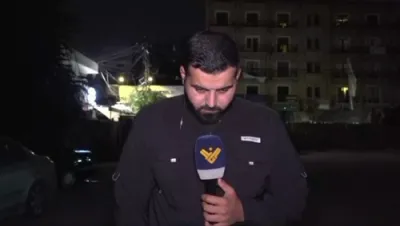
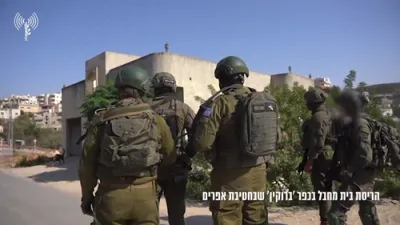
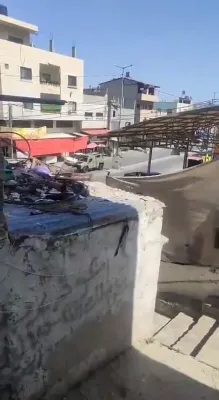
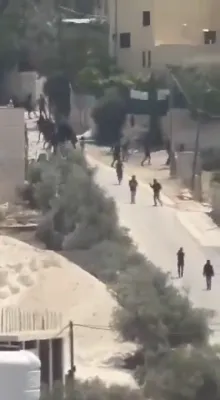
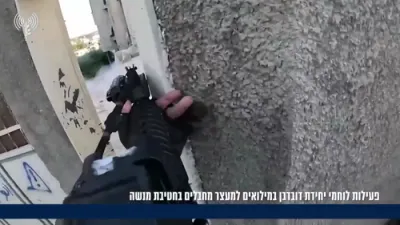
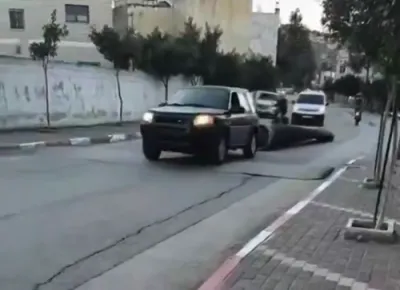
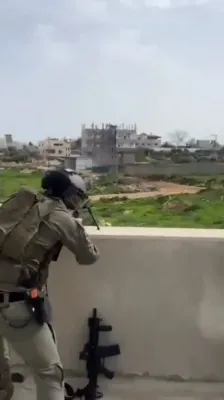
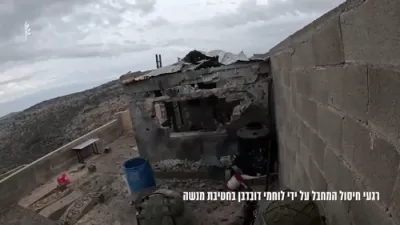
A video message from Israeli spokesperson Doron Spielman has been circulating widely online, carrying a stark and urgent claim: that a terror attack against Jews occurs every single hour, and that mainstream media outlets consistently fail to cover it. Spielman, who has served as a spokesperson addressing violence in Judea and Samaria, used the clip to draw attention to what he describes as a persistent and underreported wave of attacks targeting Israeli civilians. The post's caption reinforces this message directly, framing it as a call to action for viewers to watch and share the footage in order to spread awareness of a crisis he argues is being overlooked.
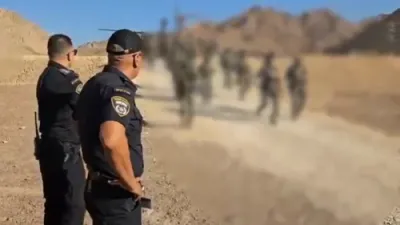
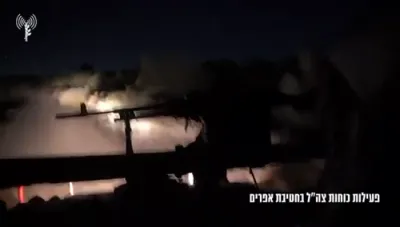
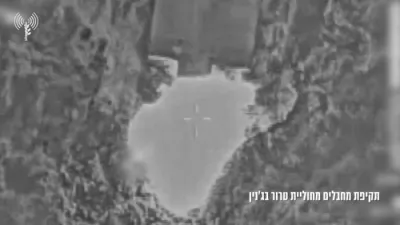
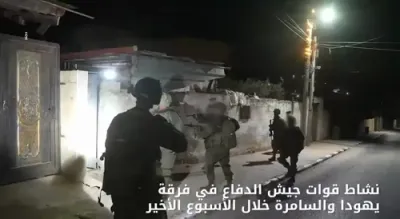
The claim arrives against the backdrop of genuinely elevated tensions across the West Bank, where Israeli government sources have previously cited figures suggesting an attack occurs roughly every two hours on average, contributing to dozens of Israeli deaths and injuries in recent months. These reported incidents span a range of tactics, including shootings, stabbings, and firebomb attacks, and Israeli officials have periodically pointed to what they describe as hundreds of such events occurring on a monthly basis. It's worth noting that these figures originate primarily from Israeli government and military sources, and independent verification of the precise hourly or bi-hourly rate can be difficult given the complex and often contested nature of incident classification in the region.
Spielman's broader argument centers not just on the frequency of these attacks, but on what he characterizes as a media imbalance in how violence in the region gets covered. He suggests that incidents involving Israeli settler actions tend to receive more consistent international media attention than attacks targeting Israeli civilians, a claim that reflects a long-standing and deeply contested debate over how Western and international outlets frame coverage of the Israeli-Palestinian conflict. This is a debate with strong voices on multiple sides, with critics of Israeli policy arguing that Palestinian casualties and settler violence are historically underreported, while supporters of Israel's position argue the opposite regarding attacks on Jewish communities. Neither claim is easily settled by a single statistic, and both sides frequently cite competing data sets compiled by government bodies, NGOs, and advocacy organizations with differing methodologies.
What is not in dispute is that violence in Judea and Samaria has remained a persistent and serious feature of daily life for both Israeli and Palestinian communities throughout 2026, with incidents occurring regularly enough that tracking and verifying every individual event presents a genuine challenge for journalists and researchers alike. Spielman's video, whatever one makes of its central statistic, reflects a real and ongoing effort by Israeli officials to shape public understanding of the security situation on the ground. As the video continues to circulate and gain shares, it adds to an already highly polarized conversation about whose suffering receives visibility and whose does not, a dynamic that shows no sign of easing as tensions in the region continue into the fall of 2026.