RETALIATION STRIKE: Riesco Goes Down Following Failed Attack on US Warship
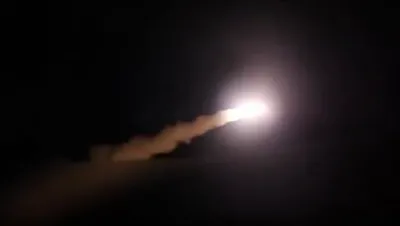
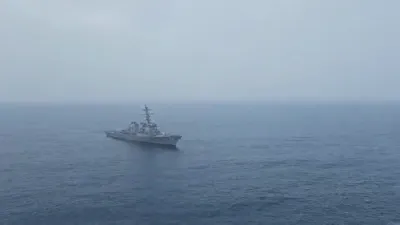
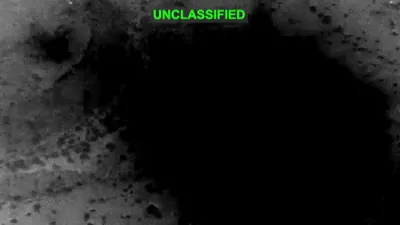
U.S. Central Command confirmed that the Iranian crude oil tanker M/T Riesco sank in the Gulf of Oman on September 8, 2026, after being destroyed by American forces. The action was taken in direct response to attempted ballistic missile attacks by Iran’s Islamic Revolutionary Guard Corps on a U.S. Navy warship. CENTCOM stated that the warship successfully evaded the missiles and continued its patrol with no American personnel harmed. Video released by the command shows the vessel on fire and going down.
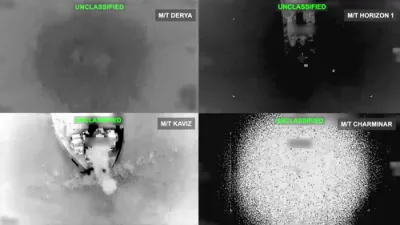
The Riesco was one of five Iranian oil tankers targeted that day. U.S. forces also struck the M/T Kaviz, M/T Charminar, M/T Horizon 1 and M/T Derya. American personnel directed the crews to abandon the ships before the strikes rendered them inoperable. CENTCOM described the tankers as part of a shadow network used to generate revenue for the IRGC and its regional proxies. Officials noted that Iran has limited ability to defend these vessels.
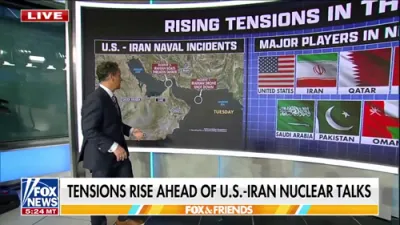
The incident forms part of a pattern of tit-for-tat actions in the region. Earlier in the week, CENTCOM had destroyed three other Iranian tankers following similar failed missile attempts against U.S. warships. U.S. officials have framed the tanker strikes as a calibrated economic and military cost imposed each time Iranian forces target American naval assets. Secretary of State statements reinforced that Iran would continue to lose tankers for every such attempt.
Iranian state media reported that crews from some of the struck vessels were evacuated by lifeboat and that no casualties occurred among the seafarers. Tehran has responded with its own claims of attacks on U.S. and commercial targets in the Gulf. The exchange has heightened concerns about navigation safety in the critical waterways that carry a significant share of global oil trade. Maritime agencies have issued warnings about the elevated risk to commercial shipping.
The sinking of the Riesco underscores the U.S. strategy of responding to Iranian missile launches with visible destruction of high-value economic assets. By focusing on oil tankers linked to IRGC funding, American commanders aim to impose a measurable price without escalating to broader strikes on Iranian territory. The approach relies on the vulnerability of the shadow fleet and the repeated failure of Iranian missiles to hit their intended U.S. targets.
As the cycle of attempted attacks and retaliatory tanker strikes continues, both sides are testing the limits of controlled escalation. The Gulf of Oman and surrounding waters remain a focal point of military activity. Commercial operators are adjusting routes and insurance assessments while governments monitor whether the pattern stabilizes or expands further. For now, the loss of the Riesco stands as the latest concrete result of Iran’s failed attempts on a U.S. Navy warship.