DOZENS OF STRIKES: Israel's South Lebanon Offensive Grows
WIDE OFFENSIVE: Israel Blankets Southern Lebanon in Strikes
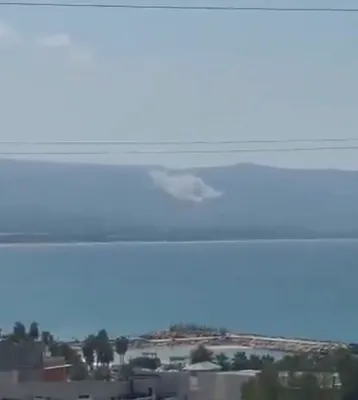
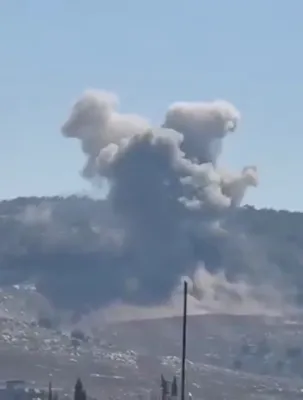
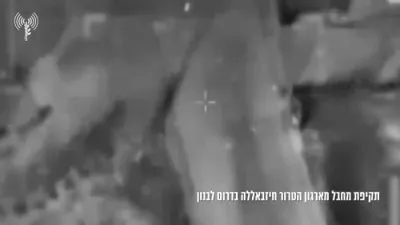
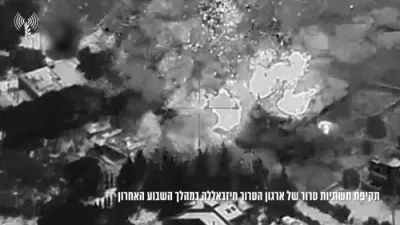
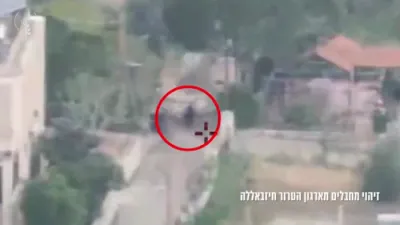
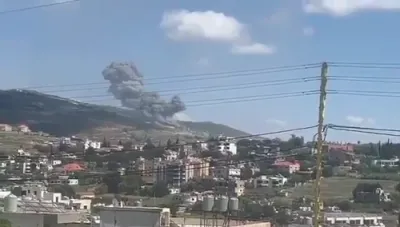
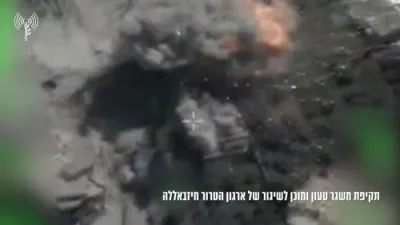
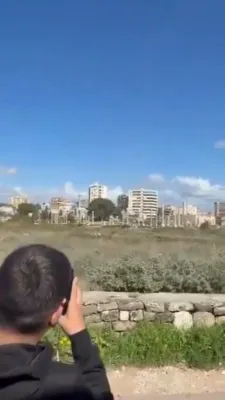
Israeli forces sharply widened the scope of their military activity across southern Lebanon this weekend, combining airstrikes, artillery fire, and visible ground movement across a broad stretch of the border region. According to Lebanon's state run National News Agency, Israeli warplanes opened the latest wave by striking the Ali al-Taher forest on the outskirts of Nabatieh al-Fawqa, returning to hit the same town again less than fifteen minutes later. From there, aircraft carried out two consecutive strikes on Kfar Tibnit, followed by a third strike roughly half an hour after that, while a separate strike hit the al-Dabsha hill area nearby and artillery fire simultaneously pounded Zawtar al-Sharqiyah. Israeli activity extended further still, with strikes and shelling also reported around al-Mansouri, Wadi al-Salouqi, al-Qantara, and Wadi Zibqin, painting a picture of coordinated pressure across dozens of separate points along the front.
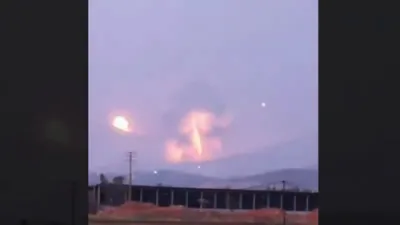
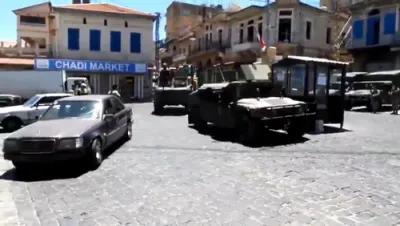
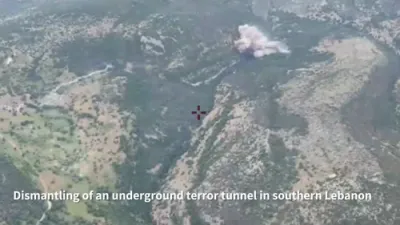
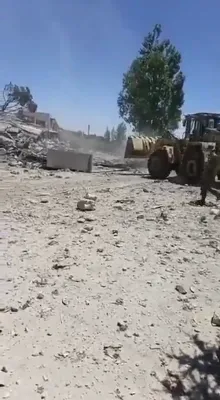
The renewed intensity builds directly on Israel's operation targeting the Ali al-Taher ridge earlier in the week, when Israeli forces detonated more than 1,100 tonnes of explosives inside underground fortifications there, an explosion powerful enough to be picked up by seismic monitoring agencies. Since then, Israeli ground forces have reportedly carried out demolitions and set fires in several areas along the front, while tanks, bulldozers, and infantry units have moved through parts of the border region as the operation continues to expand outward from its original starting point. Beyond Nabatieh, artillery and airstrikes have also reached villages further west, including Mayfadoun, Beit Yahoun, Baraachit, al-Tiri, and Majdal Zoun, broadening the geographic footprint of the current escalation considerably.
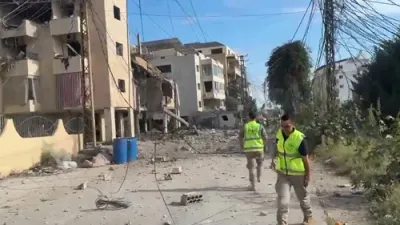
This latest surge follows a string of deadly strikes in the district over the preceding days that have already left dozens dead. Earlier attacks near Kfar Roummane killed at least nine to eleven people, including two infants and, in one especially devastating case, nine members of a single family, according to Lebanese media reporting on the strikes. Rescue teams have repeatedly worked through the night using heavy machinery to search for survivors and additional casualties buried beneath collapsed buildings, while a separate drone strike targeted a vehicle carrying paramedics during the search and rescue effort. The scale and frequency of these strikes have drawn sharp criticism domestically, with the Lebanese army previously warning that Israel's actions threaten to undermine the framework agreement meant to keep the broader ceasefire intact.
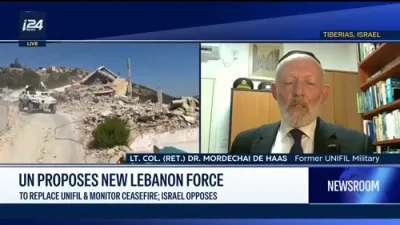
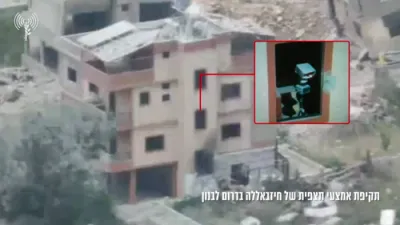
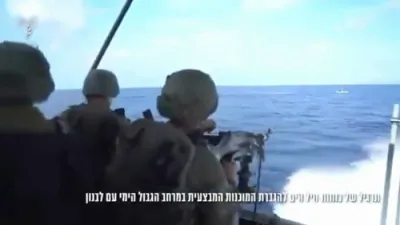
The expanding operation across southern Lebanon is unfolding as just one front in a rapidly shifting regional picture, with simultaneous escalation also playing out in Yemen near the Bab al-Mandeb Strait and in the Strait of Hormuz itself. Despite two separate ceasefire agreements reached earlier this year and mediated by the Trump administration, Israeli military activity in southern Lebanon has continued largely unabated, with Israeli officials describing much of the recent action as a direct response to Hezbollah activity, including intercepted drones crossing what Israel refers to as the Yellow Line security boundary. As Israeli tanks, bulldozers, and infantry continue moving through the border region and strikes keep landing across an ever widening set of towns, the already fragile calm in southern Lebanon appears to be slipping further away with each passing day.