SUPPLY CHAIN ALLIANCE: US, Lithuania Sign Critical Minerals Framework and Partnership
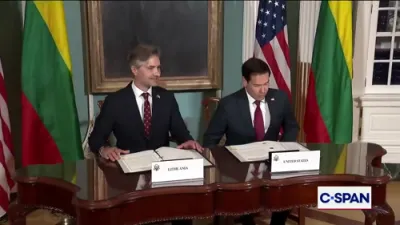
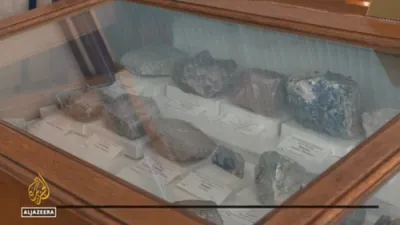
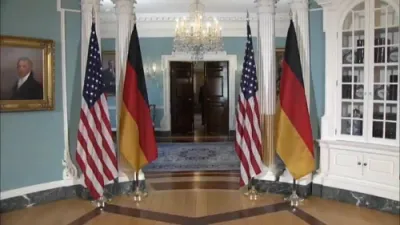
Secretary of State Marco Rubio and Lithuanian Foreign Minister Kestutis Budrys put pen to paper this week on a new memorandum of understanding aimed at locking down the critical minerals both countries need to power everything from smartphones to fighter jets. Standing beside Budrys at the State Department, Rubio called the framework a reflection of strong cooperation between Washington and Vilnius, noting that Lithuania will soon take over the rotating presidency of the European Union at a moment when economic security is top of mind. The agreement commits both governments to jointly identify priority mineral projects and pull in private-sector investment to get them off the ground. Rubio also singled out Lithuania's strength in photonics as an example of the kind of high-value industry the partnership is designed to protect.
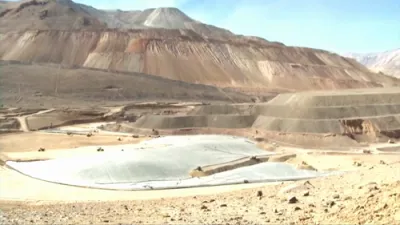
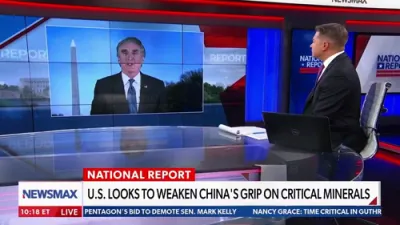
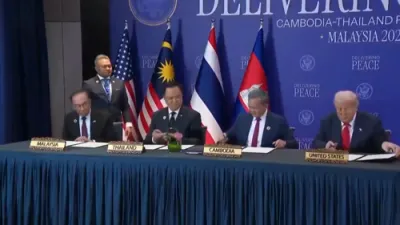
The deal fits into a much larger American strategy to break the world's heavy reliance on China for mining and processing the raw materials that feed modern technology, defense systems, and clean energy projects. Lithuania had spent months weighing whether to strike a bilateral arrangement with the United States or wait for the European Union to finalize a bloc-wide framework, with its own prime minister urging patience while Budrys pushed to move faster. As a NATO member sitting on Europe's eastern edge, Lithuania's decision to align closely with Washington on this front reinforces a broader push to build supply chains around dependable partners rather than adversarial ones. The signing adds Lithuania to a growing list of countries and blocs, including the European Union itself, that have inked similar minerals agreements with the US this year as competition over these resources intensifies worldwide.