SUPPLY CHAIN WARNING: Elon Reveals “Robots With No Arms" After Export Block
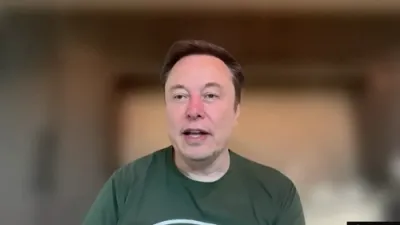
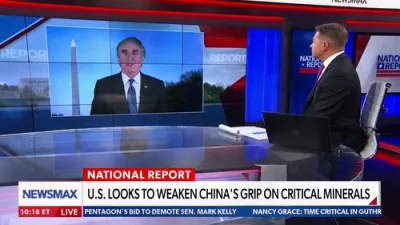
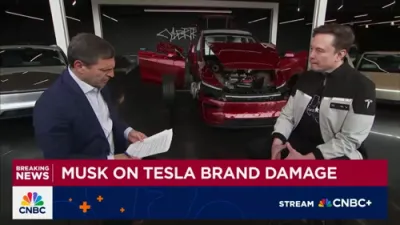
Elon Musk revealed that China’s restrictions on exports of heavy rare-earth magnets for electric motors delayed Tesla’s Optimus humanoid robot program by two to three months last year. Speaking at a recent event, he described the impact bluntly, saying the company was left with “robots with no arms” because the specialized magnets needed for the actuators that power the limbs were unavailable. The export controls, imposed in April 2025, targeted materials containing dysprosium and terbium that are critical for compact, high-performance motors in robot joints. Unlike the more mature electric-vehicle supply chain, the humanoid robotics sector still lacks robust alternative sources for these components. Musk stressed that the episode underscored the necessity of being able to manufacture every key part domestically in the United States to avoid future disruptions. The delay highlighted how geopolitical tensions can quickly halt progress on advanced hardware projects that depend on concentrated global processing capacity.
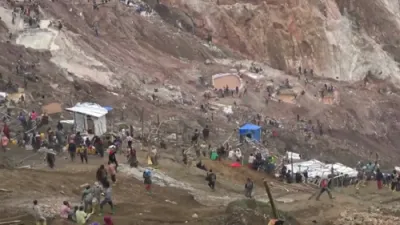
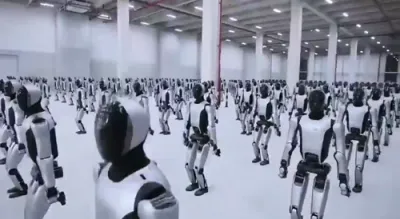
Tesla has since worked to secure alternative supplies and licenses while accelerating efforts to build domestic capability for the magnets and related components. Musk noted that the absence of a ready-made industrial base for humanoid robot parts makes the production ramp far slower and more vulnerable than vehicle manufacturing. High-performance permanent magnets remain essential for the dense packing of motors required in the arms, hands, and other joints of Optimus. China’s continued dominance in refining and producing these materials continues to create strategic risks for both commercial robotics and defense applications. The experience has reinforced Tesla’s broader strategy of vertical integration and US-based production for critical technologies. As Optimus moves toward higher-volume manufacturing, the ability to source or produce every component without relying on restricted foreign supplies will determine how quickly the program can scale. Musk framed the lesson as a clear call for industrial self-reliance in the face of ongoing supply-chain uncertainties.