FRAUD ALERT SOUNDS: Rubio Calls Out Amnesty Over Iran War Crimes Claims
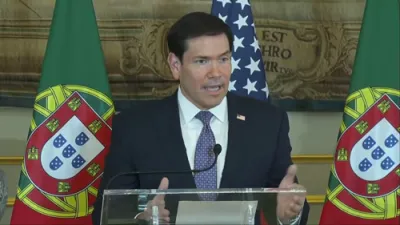
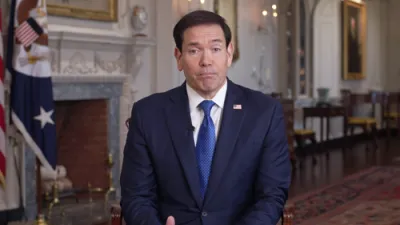
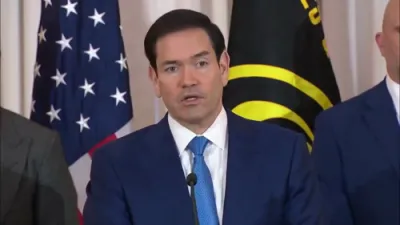
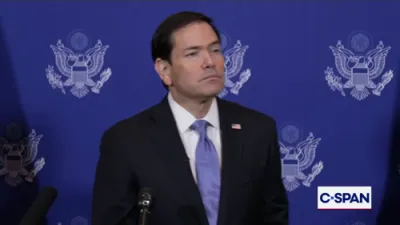
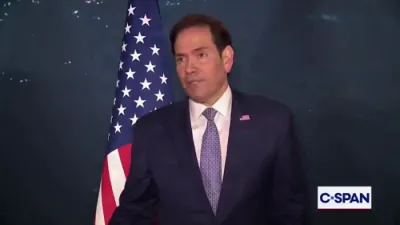
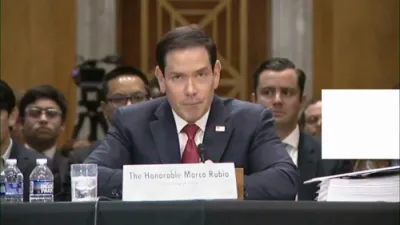
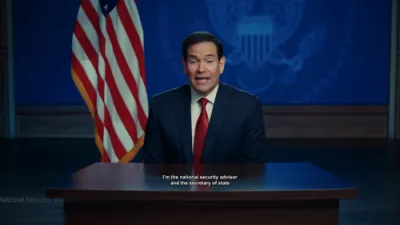
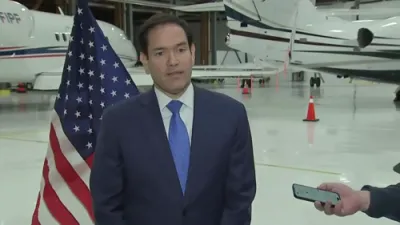
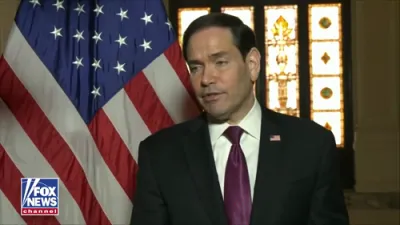
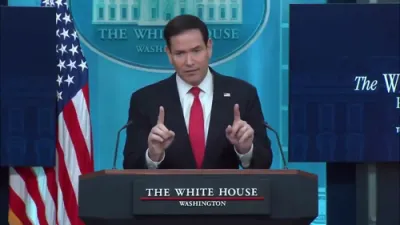
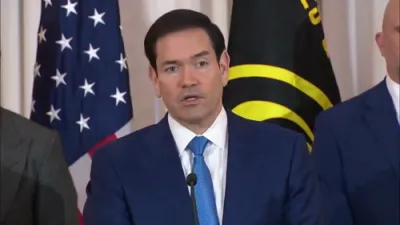
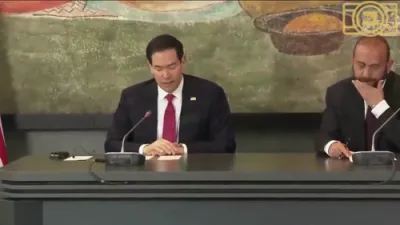
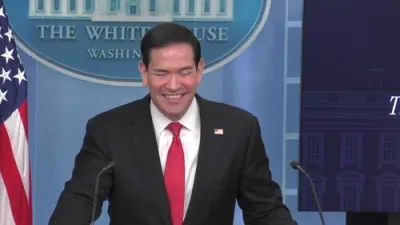
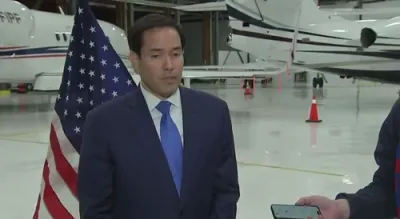
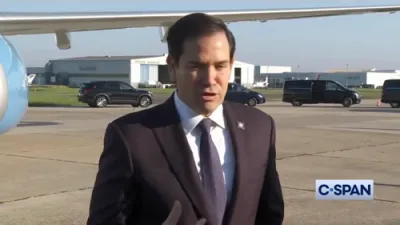
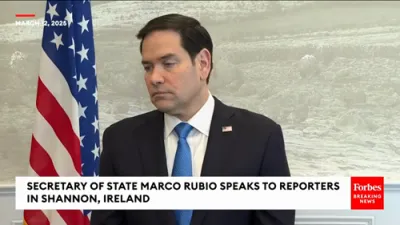
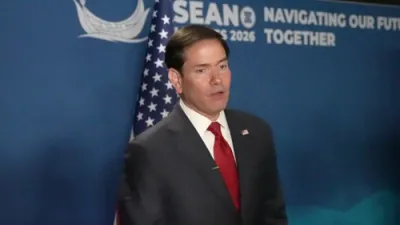
Secretary of State Marco Rubio delivered a fierce response to Amnesty International after the group accused the United States of war crimes related to actions in Iran. Rubio argued that the organization should instead focus on the Iranian regime’s own brutal record, including the cold-blooded murder of tens of thousands of people in the streets of Tehran and other cities. He described how Iranian forces enter hospitals to kill injured protesters while they lie in their beds, and sometimes murder the doctors or nurses who treated them. Rubio labeled those acts as the true war crimes and crimes against humanity, committed by the regime against its own citizens. He called Amnesty International a fraud for what he sees as selective outrage that overlooks the regime’s systematic violence. The secretary’s remarks framed the group as another international body that criticizes America while remaining quiet about far greater abuses elsewhere. His comments underscored a growing frustration with organizations that appear to prioritize attacks on Western nations over documenting repression by authoritarian governments.
Rubio’s statements echoed long-standing U.S. concerns about the Iranian regime’s treatment of protesters and political opponents, including reports of executions and hospital attacks during periods of unrest. By redirecting attention to the regime’s actions against its own people, he challenged the credibility of Amnesty’s focus on American military operations. Supporters of the secretary view the remarks as a necessary pushback against what they describe as biased human-rights advocacy that soft-pedals Islamist regimes. The exchange highlights deeper tensions between the current U.S. administration and certain international non-governmental organizations. Rubio made clear that groups branding themselves around human rights or “amnesty” will face scrutiny when their priorities appear mismatched with the scale of actual atrocities. The strong language marks another instance of the secretary rejecting criticism he considers one-sided and politically motivated.