LINCOLN BACK IN PORT: Carrier Strike Group Returns Home Following Months of Iran Operations
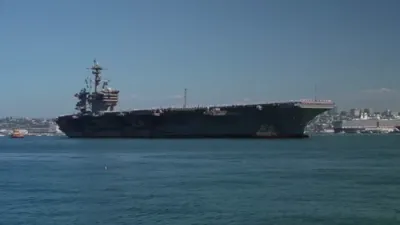
The USS Abraham Lincoln pulled into San Diego on October 8, 2026, ending a 321-day deployment that included months of combat operations against Iran. The carrier spent 265 consecutive days at sea without a single port call, setting a modern record for sustained operations far from home. During the mission the strike group launched thousands of combat sorties, delivered massive amounts of ordnance, and helped enforce maritime pressure in the region. Sailors and Marines manned the rails as families waited on the pier, many of them greeting new fathers who had never met babies born while the ship was away. The long stretch at sea tested crew endurance, maintenance schedules, and overall fleet readiness even as the carrier demonstrated America’s ability to project airpower for extended periods. Officials highlighted the deployment as one of the most operationally intense in recent memory.
The return raises fresh questions about how the U.S. Navy can keep the same level of pressure in the Middle East while rotating carriers home for rest and repairs. Extended deployments prove the reach of American naval power but also expose the limits of keeping crews and ships at peak performance for nearly a year. The Abraham Lincoln’s performance showed that the fleet can sustain combat operations far from U.S. shores for months on end. Yet the physical and mental strain on sailors, combined with the wear on equipment, underscores the challenge of maintaining continuous high-tempo operations. As the ship settles back into its homeport, the Navy must balance the need for forward presence with the reality that ships and people cannot stay at sea indefinitely. This homecoming marks both a hard-earned success and a reminder of the costs of sustained global power projection.