J-1 FRAUD PROBE: Inspector General D'Esposito Announces Investigation Into Nine Major Universities, Including Harvard, Yale and MIT; Subpoenas Served
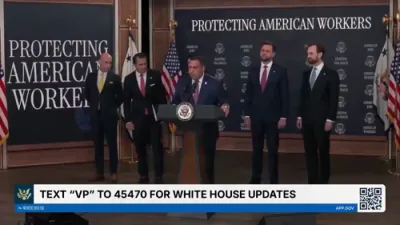
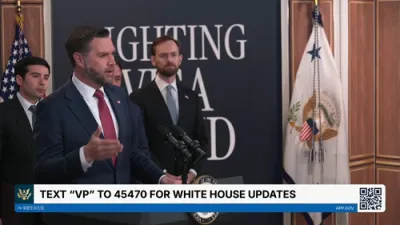
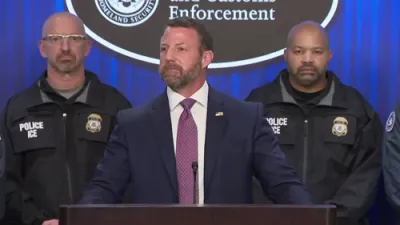
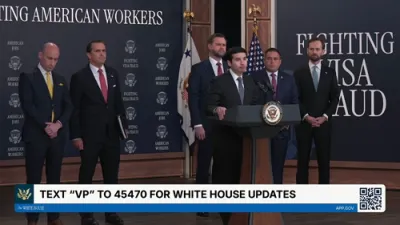
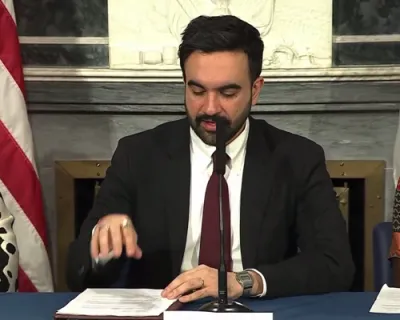
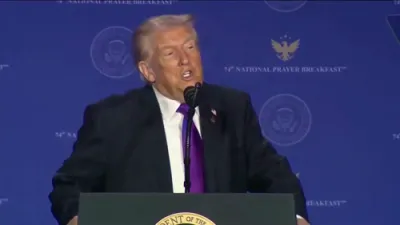
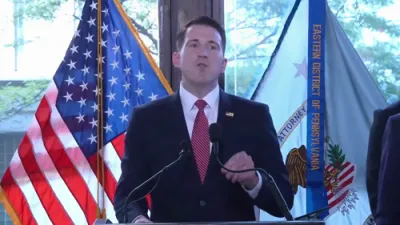
Labor Department Inspector General Anthony D’Esposito dropped a bombshell this week by announcing a historic investigation into alleged J-1 visa fraud at nine major American universities, naming the University of Pittsburgh, Yale, Harvard, Stanford, Brown, UC Davis, Caltech, Arizona State, and MIT as the targets. D’Esposito declared that subpoenas have already been served and that formal investigations are now fully underway across these campuses. The probe centers on claims that the schools have been using the J-1 exchange visa program to bring in foreign researchers and graduate students at lower costs, undercutting wages for American workers in federally funded research roles. Officials pointed to data showing that a majority of post-graduate researchers at these institutions come from overseas, raising questions about whether taxpayer dollars are being spent as intended. The announcement came during a high-profile press event where D’Esposito stressed that no university would receive special treatment simply because of its prestige or endowment size. He made clear that the inquiry will examine whether these practices amount to systematic abuse of a program designed for cultural and educational exchange rather than cheap labor.
The investigation carries serious weight because J-1 visas allow temporary stays for scholars and researchers, yet investigators suspect some institutions have stretched the rules to fill positions while avoiding higher compensation requirements for U.S. citizens. D’Esposito and administration officials have highlighted examples of pay gaps reaching tens of thousands of dollars between foreign and American researchers performing similar work. The Labor Department is assembling a dedicated visa fraud strike team to dig deeper into records, grant funding, and hiring patterns at the named schools. Beyond wage concerns, the probe will also look at potential national security risks tied to foreign influence over sensitive research. Universities now face the reality of federal investigators reviewing their practices in real time, with the possibility of further action if violations are confirmed. This move signals a broader push to tighten oversight of how elite institutions use foreign worker programs and protect American research jobs.