IRAN'S ECONOMIC SQUEEZE: CENTCOM Reports $350 Million in Crypto Assets Frozen
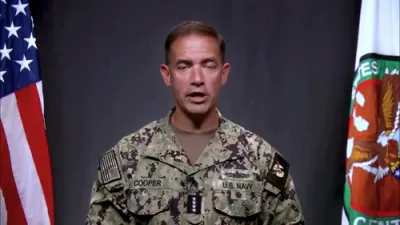
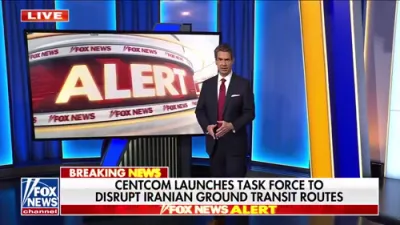
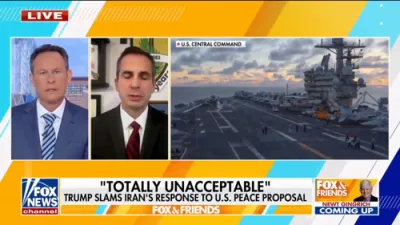
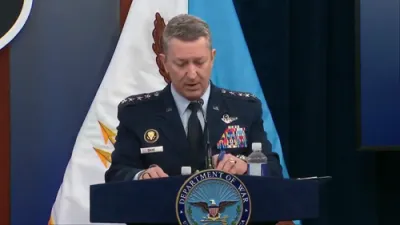
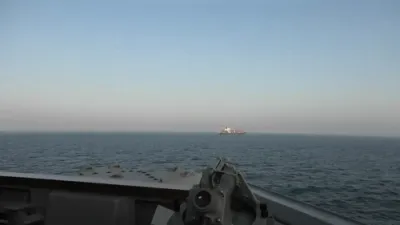
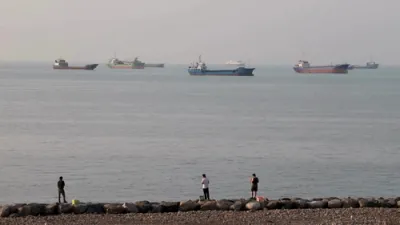
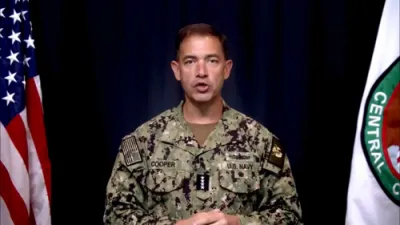
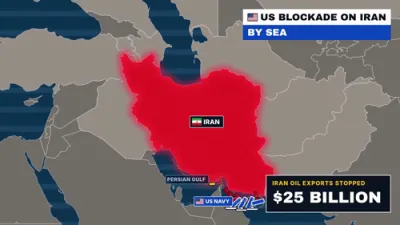
CENTCOM Commander Adm. Brad Cooper has outlined the financial and maritime impact of the US blockade targeting Iran, claiming that American enforcement efforts have blocked at least $25 billion in Iranian oil exports and frozen nearly $350 million in cryptocurrency assets. The figures highlight Washington’s strategy of applying sustained economic pressure by restricting Tehran’s ability to sell energy, move funds and finance its regional operations. According to Cooper’s update, Iran’s maritime imports and exports have been halted apart from humanitarian aid, placing additional pressure on the country’s already constrained trade routes. At the same time, he said US forces helped facilitate the movement of more than 100 million barrels of crude oil through the Strait of Hormuz over the past week, bringing the reported recent total to more than 1.3 billion barrels. The figures underscore the strategic importance of keeping international energy shipments moving through a waterway critical to global oil supplies. However, the financial totals and claims about the blockade’s reach reflect CENTCOM’s account and should be understood as military statements rather than independently verified assessments.
Cooper’s message also points to a broader campaign aimed at weakening Iran’s energy, manufacturing, construction and aviation sectors by limiting revenue and access to international trade. US officials say these restrictions are intended to constrain the resources available to the Iranian government and its military network, including the Islamic Revolutionary Guard Corps and affiliated groups. The commander also described signs of financial strain, including claims that the IRGC and its regional partners have struggled to meet payment obligations. If sustained, pressure on oil revenues and financial channels could complicate Iran’s ability to fund operations, maintain industrial activity and support its regional allies. Yet the longer-term impact will depend on how effectively Tehran adapts, whether alternative trading and financing routes remain available, and how the restrictions affect humanitarian supplies and global energy markets. The latest update therefore raises a central question: how far can Washington’s maritime and financial pressure weaken Iran’s economic capacity while maintaining the flow of essential goods and international oil shipments?