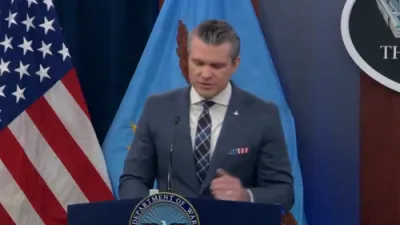
CAMPUS SLEEPER CRACKDOWN: Hegseth Labels Confucius Institutes A National Security Threat
Secretary of War Pete Hegseth announced on October 23 that the War Department has designated Confucius Institutes, along with their rebranded forms, as threats to U.S. national security. In a roughly two-minute video, he accused the programs of intellectual property theft and of trying to influence American students, and he compared the move to the department's push to eliminate DEI initiatives. Hegseth said Congress banned the original institutes years ago, but that they came back disguised under new names. The Chinese embassy in Washington did not immediately respond to requests for comment.
Hegseth claimed the department has dismantled 80 of these "propaganda cells" across 30 universities over the past two months. Pentagon documents describe it a little differently, saying security reviews at 30 universities led to more than 80 actions to end or limit research partnerships flagged as risks. Confucius Institutes are Chinese government-funded programs that teach Mandarin and promote Chinese culture on campuses worldwide, and for years critics have accused them of spreading CCP propaganda, censoring topics like Taiwan and human rights, and posing espionage risks. Beijing has long rejected such characterizations, and the institutes have presented themselves as language and cultural programs. The big questions now are which universities are affected, what the new threat list means in practice, and whether the actions will hold up to scrutiny.