SANCTIONS EVASION EXPOSED: Reuters Investigation Reveals Iran's Secret Import Network for Billions in Military Hardware
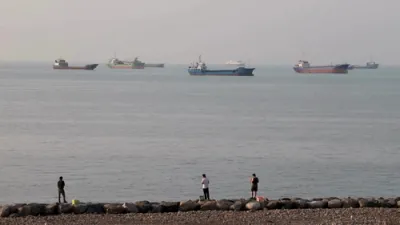
Iran has reportedly built an extensive network of covert procurement agencies to obtain billions of dollars’ worth of military-related equipment despite Western sanctions and heightened regional tensions, according to a Reuters investigation. The investigation found that more than 5,000 agencies allegedly operating under names with the “MOD” prefix were involved in a system used to import hardware, explosives, rocket components and heavy-duty trucks since January 2025. The reported purchases totaled at least $2 billion, highlighting the scale of Tehran’s alleged efforts to maintain access to equipment and industrial supplies despite restrictions on its international trade. The investigation also identified imports from China, Russia, Germany and other European Union countries through land, sea and air routes. The findings raise questions about how Iran’s procurement network has continued operating and whether existing sanctions and maritime enforcement measures have been sufficient to disrupt its supply chains.
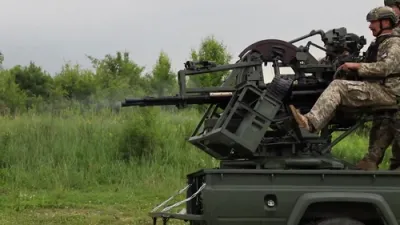
The investigation further reported that one agency alone accounted for approximately $2.3 billion in military goods through June 2026, although the relationship between that figure and the broader reported total requires clarification. Among the equipment highlighted were heavy trucks, including Iveco models, that reportedly appeared in Iranian military parades, illustrating how imported commercial vehicles may be used in military logistics. A video accompanying the report uses side-by-side comparisons to connect images of imported vehicles with their appearance in Iranian military displays. The reported use of multiple intermediaries and transportation routes illustrates the challenges authorities face when attempting to trace military-related procurement across international supply chains. While the investigation describes an extensive alleged sanctions-evasion operation, the specific role of individual companies, the legality of particular shipments and the effectiveness of the US naval blockade against these routes remain important distinctions when assessing the findings.