SPUD ON THE MOON: Scientists Grow Potatoes In Fake Lunar Dirt With Compost Help
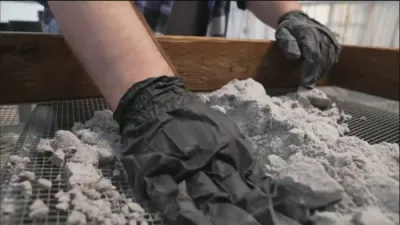
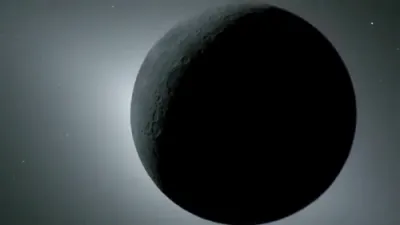
NASA plans to build a permanent lunar base in the 2030s, and one of the biggest questions is simple: what will the astronauts eat? Growing their own food could be far easier than shipping every meal from Earth, and scientists are now testing whether the humble potato can do the job. In NASA-funded research at Oregon State University, the plants grew in soil designed to mimic the Moon's surface, but only with a big assist. Researchers added vermicompost, a nutrient-rich material made from worm waste, and a mix of 70 percent simulated lunar soil and 30 percent compost produced potatoes that were virtually indistinguishable from normal ones. Without it, the plants were stunted, and the lunar highlands soil was so harsh that plants took about 24 days to emerge, compared with four to eight days in the other mixes.
The results also come with warnings that make this more than a feel-good space story. The potatoes grown in the simulants showed activated stress genes and higher levels of copper and zinc, which the researchers said could be a concern for human consumption, though their nutritional value was similar to regular potatoes. Outside experts also point out that the tests used simulated soil, not real lunar dirt, and did not recreate the radiation and vacuum of the Moon. The compost itself would have to come from Earth at first, with the approach improving later as a base builds up its own biological waste. Researchers are now testing which potato varieties cope best, and the big question is whether a future lunar farmer could really grow dinner on the Moon.