TRUMP DEMANDS $50 BILLION AIR TRAFFIC OVERHAUL: Calls America's 55-Year-Old System Ancient and Outdated
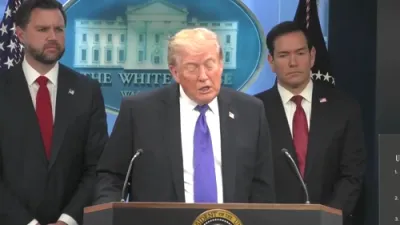
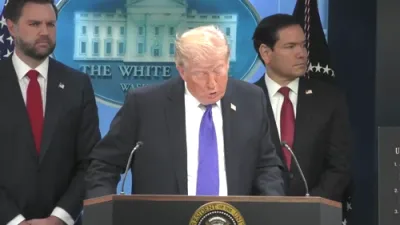
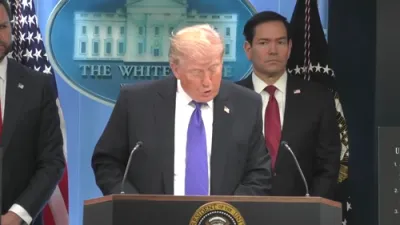
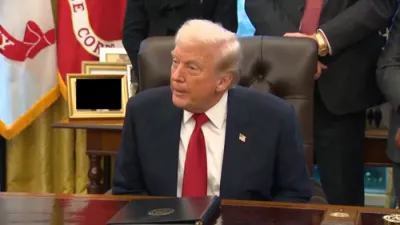
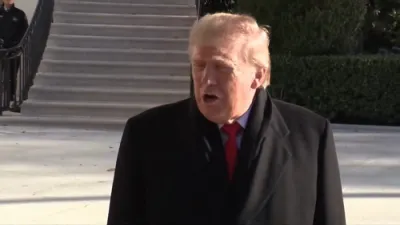
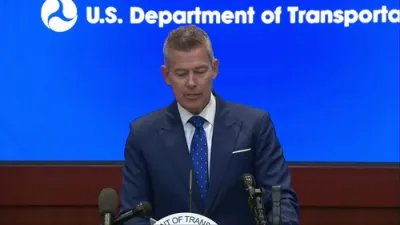
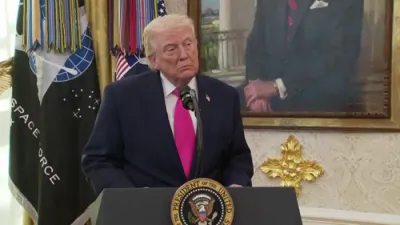
President Donald Trump is calling for an immediate transformation of America's air traffic control system, warning that the nation's aviation infrastructure is operating on technology dating back more than half a century. During recent remarks, Trump described the system as "55 years old and older" and called it "ancient," arguing that decades of outdated equipment have made air travel less efficient and contributed to persistent airport delays. The president maintained that the system remains safe because air traffic is managed more cautiously, with aircraft movements and flight capacity restricted to reduce potential risks. "It's safe, but it's safe for a different reason, because we do it very slowly," Trump explained, pointing to lengthy waits and delays as consequences of operating with aging technology. He also revealed that he instructed Transportation Secretary Sean Duffy not to waste additional money repeatedly patching outdated infrastructure that will eventually be replaced as part of a complete modernization. The administration is now asking Congress for approximately $50 billion to rebuild the country's air traffic control network, upgrade airport infrastructure and introduce modern technology designed to improve efficiency and safety.
The proposed $50.1 billion investment would support a sweeping overhaul that includes modern digital communications, upgraded air traffic management software, new control centers, improved airport facilities and replacement or reconstruction of aging control towers. According to the Transportation Department, the plan includes $10.1 billion for digital infrastructure and air traffic control technology, alongside $10 billion allocations for airport infrastructure, terminals, new control centers and air traffic control towers. The proposal would replace 22 existing Air Route Traffic Control Centers with five consolidated facilities, while also building or improving up to 140 control towers across the country. The administration's request follows a nationwide ground stop earlier in November after telecommunications and radar disruptions exposed vulnerabilities in the existing system. Congress previously allocated $12.5 billion for modernization in 2025, but the administration argues that additional funding is necessary because the earlier money was restricted to specific categories of upgrades. The proposal now faces congressional scrutiny over its cost, implementation timeline and accountability, with lawmakers expected to examine how the additional funding would be spent before approving the ambitious aviation transformation.